


Wydawcy
Katalog tematyczny
- Archeologia (109)
- Ekonomia, finanse, business (13704)
- Filozofia (1445)
- Historia (3040)
- Języki i językoznawstwo (2356)
- Lifestyle, hobby i rozrywka (475)
- Medycyna (9704)
- Nauki humanistyczne (4)
- Nauki o Ziemi i środowisku (2638)
- Nauki ścisłe (20412)
- Astronomia (294)
- Biologia (5119)
- Chemia (6540)
- Chemia analityczna (361)
- Chemia fizyczna (346)
- Chemia nieorganiczna (137)
- Chemia organiczna (535)
- Krystalografia (27)
- Minerologia (46)
- Fizyka (3309)
- Matematyka (4574)
- Nauki ścisłe, ogólnie (503)
- Nauki społeczne (8486)
- Nauki techniczne (13450)
- Prawo (1696)
- Publikacje informacyjne i interdyscyplinarne (1288)
- Religia i wierzenia (917)
- Technika komputerowa (4067)
- Zdrowie, relacje międzyludzkie i rozwój osobisty (657)





Informacje szczegółowe o książce
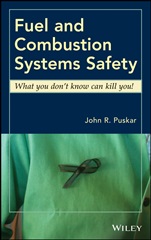
Fuel and Combustion Systems Safety: What you dont know can kill you!
ISBN 9780470533604
Autor: John R. Puskar
Wydawca: Wiley
Dostępność: 3-6 tygodni
Cena: 454,65 zł
Przed złożeniem zamówienia prosimy o kontakt mailowy celem potwierdzenia ceny.
ISBN13: |
9780470533604 |
ISBN10: |
0470533609 |
Autor: |
John R. Puskar |
Oprawa: |
Hardback |
Rok Wydania: |
2014-02-18 |
Ilość stron: |
346 |
Wymiary: |
243x159 |
Tematy: |
PN |
Practical, easy-to-follow advice that saves lives Based on the author's thirty years of hands-on experience working in the field of industrial fuel systems and combustion equipment safety, this book integrates safety codes with practical, tested, and proven guidance that makes it viable to specify, operate, and maintain industrial fuel and combustion systems as safely as possible. Readers will learn about fuels, piping, combustion, controls, and risks from more than fifty "real-life stories" the author has integrated into each chapter so one can immediately see and understand the concepts presented. The incidents depicted resulted in forty-six deaths, hundreds of serious injuries, and billions of dollars in losses. Each example is followed by lessons learned, helping readers understand what could have been done to avoid the disaster or minimize the resulting destruction of life and property. The book begins with an introductory chapter that presents key concepts in industrial fuel and combustion systems safety. Next, chapters cover such topics as: Combustion and natural gas piping basics Gas supply system issues Gas piping repairs and cleaning Fuel trains and combustion equipment Boilers and their unique risks Controlling combustion risks: people, policy, equipment The final two chapters address risks related to facilities outside of the United States, as well as business contingency planning related to fuels and combustion equipment. The last chapter explains how to plan for and then respond quickly and effectively to fuel or combustion system incidents. Filled with practical, easy-to-follow advice that saves lives, Fuel and Combustion Systems Safety is an essential reference for everyone from equipment operators and maintenance personnel to corporate risk managers and global safety directors.
Preface 7 CHAPTER 1: What You Don’t Know Can KILL You ! 11 1.1 Knowledge gaps in operating fuel systems and combustion equipment 14 1.2 Evaluating fuel systems and combustion equipment risks 16 1.3 The creation of fuel systems and combustion equipment codes and standards 17 1.4 Fuel systems codes and standards 22 1.5 Combustion equipment codes and standards 22 1.6 Other widely recognized codes and standards related organizations 24 1.7 Safety instrumented systems and safety integrity levels 26 1.8 The world of insurance and combustion equipment 27 1.9 Ever been to Jail? (Personal criminal liability) 30 CHAPTER 2: Combustion Basics 33 2.1 What is combustion? .35 2.2 Fuels 36 2.3 Heat/ignition 39 2.4 Oxygen/air 40 2.5 Combustion chemistry 42 2.6 Environmental emissions issues 44 2.7 Burner design issues 45 2.8 Draft systems 47 2.9 Understanding and evaluating flames 52 2.10 Air fuel ratio evaluations 57 CHAPTER 3: Natural Gas Piping Basics 62 3.1 Natural gas piping codes and standards 64 3.2 General industrial utilities piping fundamentals 65 3.3 Manual Isolation valves 67 3.4 Blanks/Blinds 68 3.5 Steel pipe joining methods 70 3.6 Fastener issues, (when a bolt is not just a bolt) 73 CHAPTER 4: Gas Supply System Issues 75 4.1 Incoming natural gas system issues 77 4.2 Piping corrosion protection 80 4.3 Issues related to limiting access to service entrances 86 4.4 Gas supplies from digesters and landfills 86 4.5 Incoming propane service issues 89 CHAPTER 5: Gas Piping Repairs & Cleaning 90 5.0 Six key steps to safe gas piping repairs 92 5.1 Planning the project 92 5.2 Isolation 94 5.3 Pre–repair venting and purging of flammable gases 94 5.4 Leak checking and pressure testing 99 5.5 Post repair purge 101 5.6 Re–introduction of natural gas/start–up 101 5.7 Gas sampling and detection 103 5.8 Nitrogen handling issues to consider 106 5.9 The world of gas line cleaning 111 5.10 NFPA 54, (The National Fuel Gas Code) changes related to purging issues 121 5.11 Highlights of and commentary regarding NFPA 56 121 CHAPTER 6: Understanding Fuel Trains and Combustion Equipment 127 6.1 Fuel train components, what they are and what they do 128 6.2 How fuel trains work 135 6.3 Oil firing systems 148 6.4 Oven and furnace types 151 Chapter 7: Understanding Boilers and Their Special Risks 157 7.1 Boiler Incident Statistics 163 7.2 Boiler types 164 7.3 Boiler water safety devices 170 7.4 Boiler pressure safety controls 173 7.5 Safety relief valves 174 7.6 Steam systems piping special issues 177 CHAPTER 8: Controlling Combustion Risks – People 180 8.1 People issues 182 8.2 Training 184 8.3 Culture changes 186 8.4 Human layers of protection analysis 190 8.5 Contractor issues 199 CHAPTER 9: Controlling Combustion Risks – Policies 203 9.0 The 10 policy commandments for fuel and combustion systems safety 205 9.1. Cmdt I: Have meaningful unique fuel and combustion system specifications 206 9.2 Cmdt II: Create lock out/tag out and line breaking/piping permit systems 208 9.3 Cmdt III: Perform Interlock and safety testing at least annually 211 9.4 Cmdt IV: Review systems for code changes and upgrade to stay current 215 9.5 Cmdt V: Maintain best practices and lessons learned processes 216 9.6 Cmdt VI: Develop start–up/shut down procedures 217 9.7 Cmdt VII: Implement regular training with validation processes 223 9.8 Cmdt VIII: Create a system to validate equipment vendors 225 9.9 Cmdt IX: Conduct regular fuel Fuel/Air ratio optimization programs 228 9.10 Cmdt X: Implement a management of change systems 230 CHAPTER 10: Controlling Combustion Risks – Equipment 233 10.1 Controlling Equipment Risks 235 10.3 Rebuilt safety controls 253 10.4 Valve seat leakage tightness testing 253 10.5 Refractory and equipment outer skin issues 261 CHAPTER 11: Global Perspective on Fuel & Combustion System Risks 263 11.1 Global perspectives on fuel and combustion systems risks 264 11.2 Highlights of the European Combustion World 265 11.3 Fuel system risks in other countries 267 11.4 Differences in types of systems and equipment from the U.S. to foreign operations 271 11.5 Fuel Issues 273 CHAPTER 12: Business Contingency Planning 275 12.1 Business Interruption from fuel systems and combustion equipment 277 12.2 Sparing philosophy 282 12.3 Flood and water damage 283 12.4 In case you have an incident 289 12.5 Conclusion 290 Appendices: Analysis of “Real Life Stories” with key words 292
JOHN R. PUSKAR is a licensed engineer and has over thirty years of experience working in the field of industrial fuels and combustion equipment safety. During that time, his company inspected and tested thousands of fuel trains at more than 500 plant sites in dozens of countries. His clients have included U.S. Steel, Ford Motor Co., General Motors, ConAgra, Tyson Foods, Pfizer, and Alcoa. Mr. Puskar has served on a number of key NFPA and ASME committees related to industrial fuels and combustion equipment safety. He has also been an expert retained for some of the worst industrial fuel and combustion systems disasters in history.
Koszyk
Książek w koszyku: 0 szt.
Wartość zakupów: 0,00 zł
Informacje


Kontakt
Gambit
Centrum Oprogramowania
i Szkoleń Sp. z o.o.
Al. Pokoju 29b/22-24
31-564 Kraków
Siedziba Księgarni
ul. Kordylewskiego 1
31-542 Kraków
+48 12 410 5991
+48 12 410 5987
+48 12 410 5989
Subskrypcje
Administratorem danych osobowych jest firma Gambit COiS Sp. z o.o. Na podany adres będzie wysyłany wyłącznie biuletyn informacyjny.
Autoryzacja płatności

Informacje na temat autoryzacji płatności poprzez PayU.

© Copyright 2012: GAMBIT COiS Sp. z o.o. Wszelkie prawa zastrzeżone.
Projekt i wykonanie: Alchemia Studio Reklamy