


Wydawcy
Katalog tematyczny
- Archeologia (109)
- Ekonomia, finanse, business (13704)
- Filozofia (1445)
- Historia (3040)
- Języki i językoznawstwo (2356)
- Lifestyle, hobby i rozrywka (475)
- Medycyna (9704)
- Nauki humanistyczne (4)
- Nauki o Ziemi i środowisku (2638)
- Nauki ścisłe (20412)
- Nauki społeczne (8486)
- Nauki techniczne (13450)
- Budownictwo lądowe (1045)
- Chemia przemysłowa (2258)
- Elektronika i telekomunikacja (3287)
- Energetyka (1122)
- Inne nauki stosowane (363)
- Inżynieria biochemiczna (507)
- Inżynieria transportu (232)
- Mechanika i materiały (3316)
- Nauka o środowisku (321)
- Rolnictwo (507)
- Technika, ogólnie (475)
- Prawo (1696)
- Publikacje informacyjne i interdyscyplinarne (1288)
- Religia i wierzenia (917)
- Technika komputerowa (4067)
- Zdrowie, relacje międzyludzkie i rozwój osobisty (657)





Informacje szczegółowe o książce
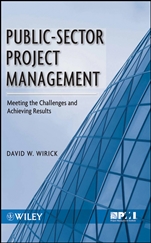
Public–Sector Project Management: Meeting the Challenges and Achieving Results
ISBN 9780470487310
Autor: David Wirick
Wydawca: Wiley
Dostępność: 3-6 tygodni
Cena: 476,70 zł
Przed złożeniem zamówienia prosimy o kontakt mailowy celem potwierdzenia ceny.
ISBN13: |
9780470487310 |
ISBN10: |
0470487313 |
Autor: |
David Wirick |
Oprawa: |
Hardback |
Rok Wydania: |
2009-10-16 |
Ilość stron: |
288 |
Wymiary: |
243x160 |
Tematy: |
TG |
Public–Sector Project Management
Meeting the Challenges and Achieving Results
David W. Wirick
Business & Economics/Project Management
Your guide to project management success in the public sector
There may be no simple formula for success in public–sector projects, but Public–Sector Project Management delivers the next best thing: a complete set of skill–building strategies that puts success well within your reach.
Building on industry standards and best practices as well as almost thirty years of public–sector experience, this definitive sourcebook clearly explains how to manage projects in the public sector and navigate their many challenges. Here is where you′ll find all the tools to accomplish your goals for any public–sector project, whether you are overseeing military and security operations, the construction of public infrastructure, improving agency processes, deploying new systems or public programs, or any other public initiative.
The book describes both the obstacles and basic processes of public–sector project management and examines the differences between public–sector and private–sector projects, including the management of the wide array of public–sector stakeholders. Public–Sector Project Management is your comprehensive professional template for making a positive contribution to your agency or organization. Inside, you′ll find:
Expert guidance consistent with project management best practices
In–depth coverage of public–sector constraints, including purchasing systems, legal mandates, political and media oversight, and complex rules and processes
Specific strategies to enhance the management capability of public–sector managers and private–sector project managers working under government contracts
Emphasis on the role of planning in managing customer, manager, and
project team expectations, and coping with the overlapping systems of constraints that impede public–sector projects
Techniques for managing contractors and vendors
Tools for managing the complexity inherent in most public–sector projects
Insightful case studies of notable and historic public–sector projects; chapter–ending discussion questions and exercises; numerous tables and figures; and key terms in the glossary
Spis treści:
Preface.
Objectives.
Outline of the book.
The Great Pyramid of Giza.
Chapter 1: The Challenges of Public–Sector Project Management and the Coming Storm.
The Distinguishing Characteristics of the Public Sector.
The Public–Service Purpose.
Overlapping Oversight Mechanisms.
A Short Planning Horizon.
A Contentious Environment.
Overlapping Service Delivery Mechanisms.
The Challenges of Public–Sector Project Management.
The Coming Storm.
New Tools for Public–Sector Managers as They Cope with the Demands of the New Economy.
Discussion Questions for this Chapter.
Exercises for this Chapter.
PROJECT APOLLO.
Chapter 2: The Foundations of Public–Sector Project Management .
The Problem with Projects.
Why Do Public–Sector Projects Fail?.
The Good News About Projects and Project Management Standards.
The Value of Project Management to a Public–Sector Organization.
The Downside of Project Management.
The Critical Success Factors for Public–Sector Projects.
Project Management Maturity Models in the Public Sector.
"Scaling" Project Management Methods.
The Use of Software for Project Management.
Discussion Questions for this Chapter.
Exercises for this Chapter.
THE CREATION OF THE PEACE CORPS.
Chapter 3: The Framework for Managing Public–Sector Projects .
The Project Management Framework for Public Projects.
Grouping
Projects for Better Management.
Breaking Projects into Components.
Project Process Groups.
Project Initiation.
Planning.
Execution.
Monitoring and Control.
Closing.
Project Management Knowledge Areas.
The Triple Constraint Model.
Project Processes.
Applying Project Functions and Processes for Public–Sector Projects.
Step 1: Get the project started correctly.
Step 2: Build a triple–constraint model.
Step 3: Apply other planning processes as necessary.
Step 4: Integrate the planning documents you’ve created and build the project plan.
Step 5: Do the work of the project.
Step 6: Compare the work completed to the plan, make changes as necessary, and ask stakeholders to accept the work.
Step 7: Close the project.
The Necessary Skills for Public–Sector Project Managers.
Discussion Questions for this Chapter.
Exercises for this Chapter.
THE MARSHALL PLAN.
Chapter 4: Project Integration.
Public–Sector Project Integration: Wrestling with the Octopus.
Overview of the Necessary Functions for Public–Sector Project Integration.
Framing and Initiating the Project.
Develop the Project Plan.
Performing the Project Work.
Comparing the Work to the Plan and Managing Changes.
Closing the Project and Contracts.
Best Practices for Public–Sector Project Integration.
Discussion Questions for this Chapter.
Exercises for this Chapter.
ELECTING A CANDIDATE.
Chapter 5: Managing Project Scope.
Project Scope Management.
The Challenges of Scope Management for Public–Sector Projects.
The Two Roles of Project Scope.
The Required Activities for Public–Sector Project Scope Management.
Creating a Scope Management Plan.
Defining and Confirming Project Scope.
Controlling Scope.
Verifying Acceptance of Deliverables.
Best Practices for Managing Public–Sector Project Scope.
Discussion Questions for this Chapter.Exercises for this Chapter.
PROJECTS FOR IMPROVING PUBLIC–SECTOR PROCESSES.
Chapter 6: Managing Project Time.
The Challenges of Project Time Management in the Public Sector.
The Required Functions for Public–Sector Project Time Management.
Defining Project Activities.
Creating the Project Schedule.
Putting the Activities in a Logical Order.
Estimating How Long Each Activity Will Take to Complete.
Identifying the Necessary Resources for Each Activity (to identify conflicts that could impact the schedule).
Creating the Schedule by Pulling the Pieces Together.
Best Practices in Public–Sector Project Time Management.
Discussion Questions for this Chapter.
Exercises for this Chapter.
THE FBI’s VCF PROJECT.
Chapter 7: Managing Project Cost.
The Challenges of Public–Sector Cost Management.
Project Selection and Prioritization.
Required Functions for Managing Public–Sector Project Costs.
Estimating the Costs of the Project.
Acquiring the Financial Resources for the Project.
Managing Project Costs and Reporting on Expenditures.
Earned–Value Management of Public–Sector Projects.
Best Practices in Public–Sector Project Cost Management.
Discussion Questions for this Chapter.
Exercises for this Chapter.
TURNING ON THE LIGHTS IN THE COUNTRY.
Chapter 8: Managing Project Quality.
The Basics of Project Quality Management.
The Challenges of Public–Sector Project Quality Management.
The Functions Required for Public–Sector Project Quality Management.
Identify Project Quality Standards.
Managing Project Quality.
Lean Government as a Tool for Quality Improvement.
Managing Project Requirements.
Best Practices in the Management of Quality in Public–Sector Projects.
Discussion Questions for this Chapter.
Exercises for this Chapter.
THE ALLIED D–DAY INVASION OF JUNE 1944.
Chapter 9: Managing Proj
Koszyk
Książek w koszyku: 0 szt.
Wartość zakupów: 0,00 zł
Informacje


Kontakt
Gambit
Centrum Oprogramowania
i Szkoleń Sp. z o.o.
Al. Pokoju 29b/22-24
31-564 Kraków
Siedziba Księgarni
ul. Kordylewskiego 1
31-542 Kraków
+48 12 410 5991
+48 12 410 5987
+48 12 410 5989
Subskrypcje
Administratorem danych osobowych jest firma Gambit COiS Sp. z o.o. Na podany adres będzie wysyłany wyłącznie biuletyn informacyjny.
Autoryzacja płatności

Informacje na temat autoryzacji płatności poprzez PayU.

© Copyright 2012: GAMBIT COiS Sp. z o.o. Wszelkie prawa zastrzeżone.
Projekt i wykonanie: Alchemia Studio Reklamy