


Wydawcy
Katalog tematyczny
- Archeologia (109)
- Ekonomia, finanse, business (13704)
- Filozofia (1445)
- Historia (3040)
- Języki i językoznawstwo (2356)
- Lifestyle, hobby i rozrywka (475)
- Medycyna (9704)
- Nauki humanistyczne (4)
- Nauki o Ziemi i środowisku (2638)
- Nauki ścisłe (20412)
- Nauki społeczne (8486)
- Nauki techniczne (13450)
- Prawo (1696)
- Publikacje informacyjne i interdyscyplinarne (1288)
- Religia i wierzenia (917)
- Technika komputerowa (4067)
- Zdrowie, relacje międzyludzkie i rozwój osobisty (657)





Informacje szczegółowe o książce
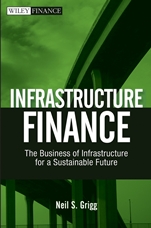
Infrastructure Finance: The Business of Infrastructure for a Sustainable Future
ISBN 9780470481783
Autor: Neil S. Grigg
Wydawca: Wiley
Dostępność: 3-6 tygodni
Cena: 476,70 zł
Przed złożeniem zamówienia prosimy o kontakt mailowy celem potwierdzenia ceny.
ISBN13: |
9780470481783 |
ISBN10: |
0470481781 |
Autor: |
Neil S. Grigg |
Oprawa: |
Hardback |
Rok Wydania: |
2010-03-19 |
Ilość stron: |
368 |
Wymiary: |
239x168 |
Tematy: |
KF |
Praise for Infrastructure Finance
"This book is a must–read for those seeking to understand how the essentials of society—transportation, energy, water, and the like—are provided. For students seeking to work in the infrastructure sector, the book is compelling and provides illustration of the variety of options and models that are used to make business work. For those already in the sector, it will broaden understanding and support their professional development."
—Steve Whipp, Asset Standards and Innovation Manager, United Utilities Water PLC
"For someone looking for one volume that literally sums up the ′infrastructure business,′ Infrastructure Finance: The Business of Infrastructure for a Sustainable Future is the book. Neil Grigg has produced a thorough and approachable compendium of the multiple services that underpin modern society."
—Richard G. Little, Director, The Keston Institute for Public Finance and Infrastructure Policy, University of Southern California
Infrastructure Finance examines how the activities associated with updating and creating efficient transportation and communications, reliable and affordable energy, clean water, and other essential systems have become a profitable financial endeavor. Author Neil Grigg puts this field in perspective and details what you need to know to succeed within it. He dissects the central organizational and financial issues behind the revolutions that are occurring in infrastructure management and finance and provides detailed guidance for navigating this dynamic field—including a focus on green infrastructure to balance economic and environmental changes.
As infrastructure finance continues to grow in importance, you′ll need to enhance your understanding of its essential aspects. Infrastructure Finance will provide you with the insights to achieve this goal.
Spis treści:
Preface.
Acknowledgments.
Chapter 1: An
Introduction to Infrastructure Finance.
What is Infrastructure Business?
Infrastructure Then and Now.
A System of Systems.
Sector Structure and Size.
Estimating the Per Capita Cost.
Need for New Approaches.
Summary.
Part I: Infrastructure Sectors and Investments.
Chapter 2: Models of the Infrastructure Sectors.
Classification System.
Infrastructure and Service Organizations.
Business Models of Infrastructure Subsectors.
How Infrastructure Systems Serve the Built Environment.
Matrix of Owners and Users of Infrastructure Systems.
Infrastructure and Services: Structures and Equipment.
Infrastructure Support Sector.
Summary.
Chapter 3: Infrastructure and the Constructed Environment.
Land Uses in the Built Environment.
Growth and Change in Urban Areas.
Financial Assets in the Built Environment.
Housing Finance as an Engine of Development.
Commercial and Central City Development.
Impact Fees and the “Growth Pays Its Own Way” Philosophy.
Future Cities and Infrastructure.
Summary of Issues and Outlook.
Chapter 4: Transportation Sector.
Sector Structure and Size.
Road and Highway Systems.
Mass Transit Systems.
Air Travel and Airports.
Intercity Rail Systems.
Intercity Bus Transportation.
Water–based Transportation.
Pipelines.
Sector Issues and Outlook.
Chapter 5: Telecommunications Sector.
Why Telecommunications Is an Infrastructure Sector.
Then and Now.
Sector Structure and Size.
Internet.
Telecommunication Companies.
Sector Issues and Outlook.
Chapter 6: Energy Sector.
Sector Structure and Size.
Energy Trends.
Electric Power Industry.
Natural Gas Industry.
Petroleum Industry.
Coal Industry.
Nuclear Power Industry.
Renewables.
Energy Storage.
Hydrogen Energy.
Sector Issues and Outlook.
Chapter 7: Water and Wastewater Sector.
Then and
Now.
Sector Structure and Size.
Financial Framework of the Sector.
Financial Issues.
Business Profiles.
Water Industry Support Businesses.
Privatization in the Water Sector.
Investing in Water as a Commodity.
Industry Policy and Regulation.
Coordination in the Water Sector.
Sector Issues and Outlook.
Chapter 8: Waste Management Sector.
Sector Structure and Size.
Categories of Solid Wastes.
Recycling and the Materials Industry.
Sector Issues and Outlook.
Chapter 9: Infrastructure and the Construction Industry.
Then and Now.
The Construction Industry Today.
Organization of the Industry by Function and Sector.
Organization by Business Lines.
Project Delivery and Finance.
Construction Companies.
Sector Issues and Outlook.
Chapter 10: Investor and Business Opportunities in Infrastructure.
Then and Now.
Bond Market.
Stocks of Infrastructure Companies.
Infrastructure Funds.
Infrastructure Indices.
Commodity Markets.
Mortgage–backed Securities.
Private Equity and Infrastructure.
The Infrastructure Support Sector.
Infrastructure Investment Media.
Corruption in the Infrastructure Business.
International Spending Plans.
Investment Issues and Outlook.
Part II: Financing Infrastructure.
Chapter 11: A Scorecard for Infrastructure Performance.
Tracking Infrastructure Performance.
What Systems to Measure?
What Are the Performance Standards?
How Much Do They Cost?
How Ready Are They to Perform?
Financial and Economic Data on Infrastructure.
Infrastructure Scorecard.
Summary.
Chapter 12: Financial Models for Infrastructure Organizations.
General Management Model.
General Financing Model.
Sector Financing Models.
How Governments Can Improve Infrastructure Performance.
Public–Private Partnerships (PPP).
Regulation.
Summary.
Chapter 13: Capital Markets for Infrastr
ucture.
Capital Requirements of Sectors.
Capital Flows of Infrastructure.
Capital Structure of Infrastructure Sectors.
Sources of Capital.
Investment Banking.
Summary.
Chapter 14: Revenues for the Infrastructure Sectors.
Flow of Revenues.
Rate–setting for Infrastructure–based Services.
Rate Regulation.
Revenue and Cost of Service Analysis.
Tax Revenues and Subsidies.
Infrastructure Revenue by Sector.
Summary.
Part III: Looking Toward the Future.
Chapter 15: Opportunities and Risks for Infrastructure.
Infrastructure as a Policy Sector.
Infrastructure Policy Elements.
Sector Issues.
Transformational Issues.
Appendix A: Data Sources.
Appendix B: Infrastructure Companies.
Appendix C: Acronyms of Public Agencies and Associations.
References.
About the Author.
Index.
Nota biograficzna:
Neil S. Grigg is professor of civil and environmental engineering at Colorado State University. Hehas worked as professor, administrator, and consultant in the fields of infrastructure engineering andmanagement, water resources engineering, urbanwater systems, and public administration ofinfrastructure facilities and environmental regulatory programs. Grigg is a registered professional engineer in Colorado, Alabama, and North Carolina. He has served as a consultant for many government organizations, including the United Nations agencies FAO, UNDP, and UNESCO.
Okładka tylna:
Praise for Infrastructure Finance
"This book is a must–read for those seeking to understand how the essentials of society—transportation, energy, water, and the like—are provided. For students seeking to work in the infrastructure sector, the book is compelling and provides illustration of the variety of options and models that are used to make business work. For those already in the sector, it will broaden understanding and support their pro
Koszyk
Książek w koszyku: 0 szt.
Wartość zakupów: 0,00 zł
Informacje


Kontakt
Gambit
Centrum Oprogramowania
i Szkoleń Sp. z o.o.
Al. Pokoju 29b/22-24
31-564 Kraków
Siedziba Księgarni
ul. Kordylewskiego 1
31-542 Kraków
+48 12 410 5991
+48 12 410 5987
+48 12 410 5989
Subskrypcje
Administratorem danych osobowych jest firma Gambit COiS Sp. z o.o. Na podany adres będzie wysyłany wyłącznie biuletyn informacyjny.
Autoryzacja płatności

Informacje na temat autoryzacji płatności poprzez PayU.

© Copyright 2012: GAMBIT COiS Sp. z o.o. Wszelkie prawa zastrzeżone.
Projekt i wykonanie: Alchemia Studio Reklamy