


Wydawcy
Katalog tematyczny
- Archeologia (109)
- Ekonomia, finanse, business (13704)
- Filozofia (1445)
- Historia (3040)
- Języki i językoznawstwo (2356)
- Lifestyle, hobby i rozrywka (475)
- Medycyna (9704)
- Nauki humanistyczne (4)
- Nauki o Ziemi i środowisku (2638)
- Nauki ścisłe (20412)
- Nauki społeczne (8486)
- Nauki techniczne (13450)
- Prawo (1696)
- Publikacje informacyjne i interdyscyplinarne (1288)
- Religia i wierzenia (917)
- Technika komputerowa (4067)
- Zdrowie, relacje międzyludzkie i rozwój osobisty (657)





Informacje szczegółowe o książce
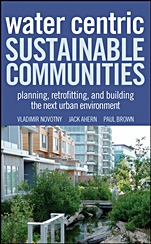
Water Centric Sustainable Communities: Planning, Retrofitting, and Building the Next Urban Environment
ISBN 9780470476086
Autor: Vladimir Novotny, Jack Ahern, Paul Brown
Wydawca: Wiley
Dostępność: 3-6 tygodni
Cena: 665,70 zł
Przed złożeniem zamówienia prosimy o kontakt mailowy celem potwierdzenia ceny.
ISBN13: |
9780470476086 |
ISBN10: |
0470476087 |
Autor: |
Vladimir Novotny, Jack Ahern, Paul Brown |
Oprawa: |
Hardback |
Rok Wydania: |
2010-10-27 |
Ilość stron: |
624 |
Wymiary: |
241x163 |
Tematy: |
AM |
The book that breaks new ground for creating water centric cities of the future Outdated water and wastewater practices in conjunction with increased consumption from a growing population have left today′s urban communities perilously close to running dry—or ironically—being inundated with stormwater–related floods. Water Centric Sustainable Communities departs from the traditional "clean water in, dirty water out" approach to establish a holistic paradigm for integrated water conservation and use in cities by embracing the three r′s: reduce, reuse, recycle. This book provides the forum for lively discussion on the social concerns, technological challenges, planning issues, and economic woes putting up barriers to the reality of achieving a sustainable urban environment—and presents expert suggestions for overcoming them. Water Centric Sustainable Communities: Includes case studies of successful implementations from cities around the world Explores the history of urban water, stormwater, and wastewater management Discusses not only newly planned and constructed infrastructure, but also the retrofit and upgrading of existing infrastructure Offers new methods to integrate the new water paradigm with urban planning and design Provides guidance on connecting microscale components (green roofs, pervious pavements, stream restoration and daylighting, riparian zone design, water reclamation and reuse, drainage, energy) in a distributed macroscale sustainable water ecosystem The first book to combine landscape, water management, transportation, infrastructure, and triple bottom line assessment into one integrated system, Water Centric Sustainable Communities is inspired in its mission to avoid an unthinkable ecological catastrophe. It offers an eye–opening reminder of how today′s actions can have a profound impact on tomorrow′s survival by stressing the importance of stabilizing the Earth′s water and energy supply now—to keep it sustainably flowing into the future.
PREFACE. I HISTORIC PARADIGMS OF URBAN WATER/STORMWATER/WASTEWATER MANAGEMENT AND DRIVERS FOR CHANGE. I.1 Introduction. I.2 Historic Paradigms: From Ancient Cities to the 20th Century. I.3 Drivers for Change towards Sustainability. I.4 The 21st Century and Beyond. References. II URBAN SUSTAINABILITY CONCEPTS. II.1 The Vision of Sustainability. II.2 The Sustainability Concept and Definitions. II.3 Towards the Fifth Paradigm of Sustainability. II.4 Cities of the Future—Water Centric Ecocities. II.5 Ecocity/Ecovillage Concepts. III PLANNING AND DESIGN FOR SUSTAINABLE AND RESILIENT CITIES: THEORIES, STRATEGIES, AND BEST PRACTICES FOR GREEN INFRASTRUCTURE. III.1 Introduction. III.2 Ecosystem Services. III.3 Planning for Resilient and Sustainable Cities. III.4 Best Practices for Green Infrastructure. III.5 Discussion. References. IV STORMWATER POLLUTION ABATEMENT AND FLOOD CONTROL—STORMWATER AS A RESOURCE. IV.1 Urban Stormwater—A Problem or an Asset? IV.2 Best Management Practices to Control Urban Runoff for Reuse. V WATER DEMAND AND CONSERVATION. V.1 Water Use. V.2 Water Conservation. V.3 Substitute and Supplemental Water Sources. VI WATER RECLAMATION AND REUSE. VI.1 Introduction. VI.2 Water Reclamation and Reuse. VI.3 Water Quality Goals and Limits for Selecting Technologies. VII TREATMENT AND RESOURCE RECOVERY UNIT PROCESSES. VII.1 Brief Description of Traditional Water and Resource Reclamation Technologies. VII.2 Sludge Handling and Resource Recovery. VII.3 Nutrient Recovery. VII.4 Membrane Filtration and Reverse Osmosis. VII.5 Disinfection. VII.6 Energy and GHG Emission Issues in Water Reclamation Plants. VII.7 Evaluation and Selection of Decentralized Water Reclamation Technologies. VIII ENERGY AND URBAN WATER SYSTEMS—TOWARDS NET ZERO CARBON FOOTPRINT. VIII.1 Interconnection of Water and Energy. VIII.2 Energy Conservation in Buildings and Ecoblocks. VIII.3 Energy from Renewable Sources. VIII.4 Energy from Used Water and Waste Organic Solids. VIII.5 Direct Electric Energy Production from Biogas and Used Water. VIII.6 Summary and a Look into the Future. VIII.7 Overall Energy Outlook—Anticipating the Future. IX RESTORING URBAN STREAMS. IX.1 Introduction. IX.2 Adverse Impacts of Urbanization to Be Remedied. IX.3 Water Body Restoration in the Context of Future Water Centric (Eco)Cities. IX.4 Summary and Conclusions. X PLANNING AND MANAGEMENT OF SUSTAINABLE FUTURE COMMUNITIES. X.1 Integrated Planning and Management. X.2 Urban Planning. X.3 Integrated Resources Management (IRM). X.4 Clusters and Ecoblocks—Distributed Systems. X.5 System Analysis and Modeling of Sustainable Cities. X.6 Institutions. XI ECOCITIES: EVALUATION AND SYNTHESIS. XI.1 Introduction. XI.2 Case Studies. XI.3 Brief Summary. References. APPENDIX. INDEX.
Vladimir Novotny is Professor at Northeastern University in Boston, Massachusetts, and Emeritus Professor at Marquette University in Milwaukee, Wisconsin. He is also President of AquaNova, LLC. Jack Ahern is Professor of Landscape Architecture and Regional Planning at the University of Massachusetts in Amherst, Massachusetts. Paul Brown is Executive Vice President at CDM in Cambridge, Massachusetts, and is also Technical Director of the Neysadurai Centre for Integrated Water Resources and Urban Planning in Singapore.
Koszyk
Książek w koszyku: 0 szt.
Wartość zakupów: 0,00 zł
Informacje


Kontakt
Gambit
Centrum Oprogramowania
i Szkoleń Sp. z o.o.
Al. Pokoju 29b/22-24
31-564 Kraków
Siedziba Księgarni
ul. Kordylewskiego 1
31-542 Kraków
+48 12 410 5991
+48 12 410 5987
+48 12 410 5989
Subskrypcje
Administratorem danych osobowych jest firma Gambit COiS Sp. z o.o. Na podany adres będzie wysyłany wyłącznie biuletyn informacyjny.
Autoryzacja płatności

Informacje na temat autoryzacji płatności poprzez PayU.

© Copyright 2012: GAMBIT COiS Sp. z o.o. Wszelkie prawa zastrzeżone.
Projekt i wykonanie: Alchemia Studio Reklamy