


Wydawcy
Katalog tematyczny
- Archeologia (109)
- Ekonomia, finanse, business (13704)
- Filozofia (1445)
- Historia (3040)
- Języki i językoznawstwo (2356)
- Lifestyle, hobby i rozrywka (475)
- Medycyna (9704)
- Nauki humanistyczne (4)
- Nauki o Ziemi i środowisku (2638)
- Nauki ścisłe (20412)
- Nauki społeczne (8486)
- Nauki techniczne (13450)
- Budownictwo lądowe (1045)
- Chemia przemysłowa (2258)
- Elektronika i telekomunikacja (3287)
- Energetyka (1122)
- Inne nauki stosowane (363)
- Inżynieria biochemiczna (507)
- Inżynieria transportu (232)
- Mechanika i materiały (3316)
- Nauka o środowisku (321)
- Rolnictwo (507)
- Technika, ogólnie (475)
- Prawo (1696)
- Publikacje informacyjne i interdyscyplinarne (1288)
- Religia i wierzenia (917)
- Technika komputerowa (4067)
- Zdrowie, relacje międzyludzkie i rozwój osobisty (657)





Informacje szczegółowe o książce
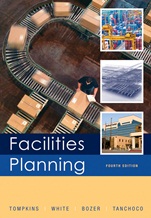
Facilities Planning
ISBN 9780470444047
Autor: James A. Tompkins, John A. White, Yavuz A. Bozer, J. M. A. Tanchoco
Wydawca: Wiley
Dostępność: 3-6 tygodni
Cena: 1 189,65 zł
Przed złożeniem zamówienia prosimy o kontakt mailowy celem potwierdzenia ceny.
ISBN13: |
9780470444047 |
ISBN10: |
0470444045 |
Autor: |
James A. Tompkins, John A. White, Yavuz A. Bozer, J. M. A. Tanchoco |
Oprawa: |
Hardback |
Rok Wydania: |
2010-02-12 |
Numer Wydania: |
4th Edition |
Ilość stron: |
864 |
Wymiary: |
270x183 |
Tematy: |
TG |
When it comes to facilities planning, engineers turn to this book to explore the most current practices. The new edition continues to guide them through each step in the planning process. The updated material includes more discussions on economics, the supply chain, and ports of entry. It takes a more global perspective while incorporating new case studies to show how the information is applied in the field. Many of the chapters have been streamlined as well to focus on the most relevant topics. All of this will help engineers approach facilities planning with creativity and precision.
Spis treści:
Part One DEFINING REQUIREMENTS.
Chapter One INTRODUCTION.
1.1 Facilities Planning Defined.
1.2 Significance of Facilities Planning.
1.3 Objectives of Facilities Planning.
1.4 Facilities Planning Process.
1.5 Strategic Facilities Planning.
1.6 Developing Facilities Planning Strategies.
1.7 Examples of Inadequate Planning.
1.8 Summary.
References.
Problems.
Chapter Two PRODUCT, PROCESS, AND SCHEDULE DESIGN.
2.1 Introduction.
2.2 Product Design.
2.3 Process Design.
2.4 Schedule Design.
2.5 Facilities Design.
2.6 Summary.
References.
Problems.
Chapter Three FLOW SYSTEMS, ACTIVITY RELATIONSHIPS, AND SPACE REQUIREMENTS.
3.1 Introduction.
3.2 Flow Systems.
3.3 Material Flow System.
3.4 Departmental Planning.
3.5 Activity Relationships.
3.6 Space Requirements.
3.7 Summary.
References.
Problems.
Chapter Four PERSONNEL REQUIREMENTS.
4.1 Introduction.
4.2 The Employee–Facility Interface.
4.3 Restrooms.
4.4 Food Services.
4.5 Health Services.
4.6 Barrier–Free Compliance.
4.7 Office Facility Planning.
4.8 Summary.
References.
Problems.
Part Two DEVELOPING ALTERNATIVES: CONCEPTS AND TECHNIQUES.
Chapter Five MATERIAL HANDLING.
5.1 Introduction.
5.2 Scope and Definitions o
f Material Handling.
5.3 Material Handling Principles.
5.4 Designing Material Handling Systems.
5.5 Unit Load Design.
5.6 Material Handling Equipment.
5.7 Estimating Material Handling Costs.
5.8 Safety Considerations.
5.9 Summary.
References.
Problems.
Appendix 5B Material Handling Equipment.
Chapter Six LAYOUT PLANNING MODELS AND DESIGN ALGORITHMS.
6.1 Introduction.
6.2 Basic Layout Types.
6.3 Layout Procedures.
6.4 Algorithmic Approaches.
6.5 Department Shapes and Mail Aisles.
6.6 Simulated Annealing and Genetic Algorithms.
6.7 Multi–Floor Facility Layout.
6.8 Commercial Facility Layout Packages.
6.9 The Impact of Change.
6.10 Developing Layout Alternatives.
6.11 Summary.
References.
Problems.
Part Three FACILITY DESIGN FOR VARIOUS FACILITIES FUNCTIONS.
Chapter Seven WAREHOUSE OPERATIONS.
7.1 Introduction.
7.2 Missions of a Warehouse.
7.3 Functions in the Warehouse.
7.4 Receiving and Shipping Operations.
7.5 Dock Locations.
7.6 Storage Operations.
7.7 Order Picking Operations.
7.8 Summary.
References.
Problems.
Chapter Eight MANUFACTURING SYSTEMS.
8.1 Introduction.
8.2 Fixed Automation Systems.
8.3 Flexible Manufacturing Systems.
8.4 Single–Stage Multimachine Systems.
8.5 Reduction in Work–in–Process.
8.6 Just–in–Time Manufacturing.
8.7 Facilities Planning Trends.
8.8 Summary.
References.
Problems.
Chapter Nine FACILITIES SYSTEMS.
9.1 Introduction.
9.2 Structural System Performance.
9.3 Enclosure Systems.
9.4 Atmospheric Systems.
9.5 Electrical and Lighting Systems.
9.6 Life Safety Systems.
9.7 Sanitation Systems.
9.8 Building Automation Systems.
9.9 Facilities Maintenance Management Systems.
9.10 Summary.
References.
Problems.
Part Four DEVELOPING ALTERNATIVES: QUANTITATIVE APPROACHES.
Chapter Ten QU
ANTITATIVE FACILITIES PLANNING MODELS.
10.1 Introduction.
10.2 Facility Location Models.
10.3 Special Facility Layout Models.
10.4 Machine Layout Models.
10.5 Conventional Storage Models.
10.6 Automated Storage and Retrieval Systems.
10.7 Order Picking Systems.
10.8 Fixed–Path Material Handling Models.
10.9 Waiting Line Models.
10.10 Simulation Models.
10.11 Summary.
References.
Problems.
Part Five EVALUATING, SELECTING, PREPARING, PRESENTING, IMPLEMENTING, AND MAINTAINING.
Chapter Eleven EVALUATING AND SELECTING THE FACILITIES PLAN.
11.1 Introduction.
11.2 Evaluating Facilities Plans.
11.3 Selecting the Facilities Plan.
11.4 Summary.
References.
Problems.
Chapter Twelve PREPARING, PRESENTING, IMPLEMENTING, AND MAINTAINING THE FACILITIES PLAN.
12.1 Introduction.
12.2 Preparing the Facilities Plan.
12.3 Presenting the Facilities Plan.
12.4 Implementing the Facilities Plan.
12.5 Maintaining the Facilities Plan.
12.6 Summary.
References.
Problems.
INDEX.
Koszyk
Książek w koszyku: 0 szt.
Wartość zakupów: 0,00 zł
Informacje


Kontakt
Gambit
Centrum Oprogramowania
i Szkoleń Sp. z o.o.
Al. Pokoju 29b/22-24
31-564 Kraków
Siedziba Księgarni
ul. Kordylewskiego 1
31-542 Kraków
+48 12 410 5991
+48 12 410 5987
+48 12 410 5989
Subskrypcje
Administratorem danych osobowych jest firma Gambit COiS Sp. z o.o. Na podany adres będzie wysyłany wyłącznie biuletyn informacyjny.
Autoryzacja płatności

Informacje na temat autoryzacji płatności poprzez PayU.

© Copyright 2012: GAMBIT COiS Sp. z o.o. Wszelkie prawa zastrzeżone.
Projekt i wykonanie: Alchemia Studio Reklamy