


Wydawcy
Katalog tematyczny
- Archeologia (109)
- Ekonomia, finanse, business (13704)
- Filozofia (1445)
- Historia (3040)
- Języki i językoznawstwo (2356)
- Lifestyle, hobby i rozrywka (475)
- Medycyna (9704)
- Nauki humanistyczne (4)
- Nauki o Ziemi i środowisku (2638)
- Nauki ścisłe (20412)
- Nauki społeczne (8486)
- Edukacja (229)
- Kryminologia, opieka spełeczna (284)
- Obronność (10)
- Polityka (1389)
- Psychologia (777)
- Socjologia (410)
- Społeczeństwo i kultura (187)
- Nauki techniczne (13450)
- Prawo (1696)
- Publikacje informacyjne i interdyscyplinarne (1288)
- Religia i wierzenia (917)
- Technika komputerowa (4067)
- Zdrowie, relacje międzyludzkie i rozwój osobisty (657)





Informacje szczegółowe o książce
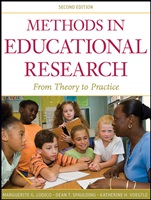
Methods in Educational Research: From Theory to Practice
ISBN 9780470436806
Autor: Marguerite G. Lodico, Dean T. Spaulding, Katherine H. Voegtle
Wydawca: Wiley
Dostępność: 3-6 tygodni
Cena: 449,40 zł
Przed złożeniem zamówienia prosimy o kontakt mailowy celem potwierdzenia ceny.
ISBN13: |
9780470436806 |
ISBN10: |
0470436808 |
Autor: |
Marguerite G. Lodico, Dean T. Spaulding, Katherine H. Voegtle |
Oprawa: |
Paperback |
Rok Wydania: |
2010-05-28 |
Numer Wydania: |
2nd Edition |
Ilość stron: |
560 |
Wymiary: |
239x180 |
Tematy: |
JC |
Methods in Educational Research
Methods in Educational Research is designed to prepare students for the real world of educational research. It focuses on scientifically–based methods, school accountability, and the professional demands of the twenty–first century, empowering researchers to take an active role in conducting research in their classrooms, districts, and the greater educational community. Like the first edition, this edition helps students, educators, and researchers develop a broad and deep understanding of research methodologies. It includes substantial new content on the impact of No Child Left Behind legislation, school reform, quantitative and qualitative methodologies, logic modeling, action research, and other areas. Special features to assist the teaching and learning processes include vignettes illustrating research tied to practice, suggested readings at the end of each chapter, and discussion questions to reinforce chapter content.
Praise for the Previous Edition
"A new attempt to make this subject more relevant and appealing to students. Most striking is how useful this book is because it is really grounded in educational research. It is very well written and quite relevant for educational researchers or for the student hoping to become one." –PsycCRITIQUES/American Psychological Association
"I applaud the authors for their attempt to cover a wide range of material. The straightforward language of the book helps make the material understandable for readers." –Journal of MultiDisciplinary Evaluation
Spis treści:
List of Boxes, Exhibits, Figures, and Tables.
Preface.
Acknowledgments.
About the Authors.
1. Introduction to Educational Research.
Chapter Objectives.
Educational Accountability and Educational Research.
Conducting Educational Research.
Philosophical Frameworks for Educational Research.
Research Ethics.
Summary.
Key Concepts.
Dis
cussion Questions or Activities.
Suggested Readings.
2. Types of Educational Research Designs and Related Major Concepts.
Chapter Objectives.
Types of Approaches Used in Educational Research.
Summary.
Key Concepts.
Discussion Questions or Activities.
Suggested Readings.
3. Descriptive Statistics.
Chapter Objectives.
Characteristics of Data.
Summarizing Data Using Descriptive Statistics.
Summary.
Key Concepts.
Discussion Questions or Activities.
Suggested Readings.
4. Educational Measurement: Archival Data and Standardized Instruments.
Chapter Objectives.
Measurement in Education.
Evaluating the Quality of Standardized Instruments: Reliability and Validity.
Issues in Finding and Using Standardized Instruments.
Summary.
Key Concepts.
Discussion Questions or Activities.
Suggested Readings.
5. Qualitative Measures and Procedures.
Chapter Objectives.
Characteristics of Qualitative Measurement.
Sampling in Qualitative Research.
Summary.
Key Concepts.
Discussion Questions or Activities.
Suggested Readings.
6. Qualitative Research.
Chapter Objectives.
Research Vignette.
Understanding Qualitative Research.
Steps in Designing Qualitative Research.
Evaluating Narrative Inquiry and Phenomenological Research.
Summary.
Key Concepts.
Discussion Questions or Activities.
Samples of Qualitative Research Studies.
Suggested Readings.
7. Organization and Analysis of Qualitative Data.
Chapter Objectives.
Analysis of Qualitative Data.
Steps in Analyzing Qualitative Data.
Summary.
Key Concepts.
Discussion Questions or Activities.
Suggested Readings.
8. Descriptive Survey Research: Quantitative Research.
Chapter Objectives.
Research Vignette.
Characteristics of Descriptive Survey Research.
Steps in Designing Descriptive Survey Research.
Evaluating Descriptive Survey Rese
arch.
Summary.
Key Concepts.
Discussion Questions and Activities.
Samples of Descriptive Research Studies.
Suggested Readings.
9. Experimental Research.
Chapter Objectives.
Research Vignette.
Understanding Experimental Research.
Steps in Planning and Conducting Experimental Research.
Threats to Experimental Validity.
Single–Subject Research Designs.
Summary.
Key Concepts.
Discussion Questions or Activities.
Sample Group Experimental Studies.
Suggested Readings.
10. Nonexperimental Approaches: Causal–Comparative and Correlational Research.
Chapter Objectives.
Research Vignette.
Causal–Comparative Research.
Correlational Research.
Multiple Regression Studies.
Summary.
Key Concepts.
Discussion Questions or Activities.
Sample Causal–Comparative Study.
Sample Correlational Studies.
Suggested readings.
11. Inferential Statistics.
Chapter Objectives.
Beyond Descriptive Statistics: Inferential Statistics.
Steps in Analyzing Data Using Inferential Tests.
Designs With More Than One Independent or Dependent Variable.
Summary.
Key Concepts.
Discussion Questions or Activities.
Suggested Readings.
12. Action Research.
Chapter Objectives.
Research Vignette.
Understanding Action Research.
Steps in Conducting Action Research.
Data Sources for Action Research.
Evaluation of Action Research.
Summary.
Key Concepts.
Discussion Questions or Activities.
Sample Action Research Studies.
Suggested Readings.
13. Program Evaluation in Education.
Chapter Objectives.
Research Vignette.
What Is Program Evaluation?
Types, Approaches, and Models of Program Evaluation.
Steps in Designing Program Evaluation.
Program Evaluation Data and Critiquing Evaluation Reports.
Training and Careers in Program Evaluation
Summary.
Key Concepts.
Discussion Questions and Activi
ties.
Sample Program Evaluations.
Suggested readings.
14. Identifying and Researching a Topic.
Chapter Objectives.
Getting Started.
Identify a Research Topic.
Refine Your Topic as You Search.
Search the Literature.
Identify and Summarize Key Information From Articles.
When Do I Have Enough?
Summary.
Key Concepts.
Discussion Questions or Activities.
Suggested Readings.
15. The Research Proposal.
Chapter Objectives.
Preparing a Research Proposal.
Why Write a Research Proposal?
Anatomy of a Research Proposal.
Summary.
Key Concepts.
Discussion Questions or Activities.
Suggested Readings.
References.
Appendix A.
Appendix B.
Nota biograficzna:
Marguerite G. Lodico, EdD, is a professor at the College of Saint Rose where she teaches child development and educational research.
Dean T. Spaulding, PhD, is an associate professor at the College of Saint Rose where he teaches educational research and program evaluation.
Katherine H. Voegtle, PhD, is a professor at the College of Saint Rose where she teaches courses in human development, educational research, and educational psychology.
Okładka tylna:
Methods in Educational Research
Methods in Educational Research is designed to prepare students for the real world of educational research. It focuses on scientifically–based methods, school accountability, and the professional demands of the twenty–first century, empowering researchers to take an active role in conducting research in their classrooms, districts, and the greater educational community. Like the first edition, this edition helps students, educators, and researchers develop a broad and deep understanding of research methodologies. It includes substantial new content on the impact of No Child Left Behind legislation, school reform, quantitative and qualitative methodologies, logic modeling, action research, and o
ther areas. Special features to assist the teaching and learning processes include vignettes illustrating research tied to practice, suggested readings at the end of each chapter, and discussion questions to reinforce chapter content.
Praise for the Previous Edition
"A new attempt to make this subject more relevant and appealing to students. Most striking is how useful this book is because it is really grounded in educational research. It is very well written and quite relevant for educational researchers or for the student hoping to become one." –PsycCRITIQUES/American Psychological Association
"I applaud the authors for their attempt to cover a wide range of material. The straightforward language of the book helps make the material understandable for readers." –Journal of MultiDisciplinary Evaluation
Koszyk
Książek w koszyku: 0 szt.
Wartość zakupów: 0,00 zł
Informacje


Kontakt
Gambit
Centrum Oprogramowania
i Szkoleń Sp. z o.o.
Al. Pokoju 29b/22-24
31-564 Kraków
Siedziba Księgarni
ul. Kordylewskiego 1
31-542 Kraków
+48 12 410 5991
+48 12 410 5987
+48 12 410 5989
Subskrypcje
Administratorem danych osobowych jest firma Gambit COiS Sp. z o.o. Na podany adres będzie wysyłany wyłącznie biuletyn informacyjny.
Autoryzacja płatności

Informacje na temat autoryzacji płatności poprzez PayU.

© Copyright 2012: GAMBIT COiS Sp. z o.o. Wszelkie prawa zastrzeżone.
Projekt i wykonanie: Alchemia Studio Reklamy