


Wydawcy
Katalog tematyczny
- Archeologia (109)
- Ekonomia, finanse, business (13704)
- Filozofia (1445)
- Historia (3040)
- Języki i językoznawstwo (2356)
- Lifestyle, hobby i rozrywka (475)
- Medycyna (9704)
- Nauki humanistyczne (4)
- Nauki o Ziemi i środowisku (2638)
- Nauki ścisłe (20412)
- Nauki społeczne (8486)
- Nauki techniczne (13450)
- Prawo (1696)
- Publikacje informacyjne i interdyscyplinarne (1288)
- Religia i wierzenia (917)
- Technika komputerowa (4067)
- Zdrowie, relacje międzyludzkie i rozwój osobisty (657)





Informacje szczegółowe o książce
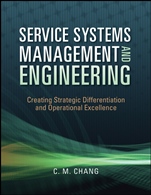
Service Systems Management and Engineering: Creating Strategic Differentiation and Operational Excellence
ISBN 9780470423325
Autor: Ching M. Chang
Wydawca: Wiley
Dostępność: 3-6 tygodni
Cena: 665,70 zł
Przed złożeniem zamówienia prosimy o kontakt mailowy celem potwierdzenia ceny.
ISBN13: |
9780470423325 |
ISBN10: |
0470423323 |
Autor: |
Ching M. Chang |
Oprawa: |
Hardback |
Rok Wydania: |
2010-05-18 |
Ilość stron: |
720 |
Wymiary: |
249x195 |
Tematy: |
KM |
The ultimate instructional guide to achieving success in the service sector
Already responsible for employing the bulk of the U.S. workforce, service–providing industries continue to increase their economic dominance. Because of this fact, these companies are looking for talented new service systems engineers to take on strategic and operational challenges. This instructional guide supplies essential tools for career seekers in the service field, including techniques on how to apply scientific, engineering, and business management principles effectively to integrate technology into the workplace. This book provides:
Broad–based concepts, skills, and capabilities in twelve categories, which form the "Three–Decker Leadership Architecture," including creative thinking and innovations in services, knowledge management, and globalization
Materials supplemented and enhanced by a large number of case studies and examples
Skills for successful service engineering and management to create strategic differentiation and operational excellence for service organizations
Focused training on becoming a systems engineer, a critically needed position that, according to a 2009 Moneyline article on the best jobs in America, ranks at the top of the list
Service Systems Management and Engineering is not only a valuable addition to a college classroom, but also an extremely handy reference for industry leaders looking to explore the possibilities presented by the expanding service economy, allowing them to better target strategies for greater achievement.
Spis treści:
Dedication Page.
Preface.
Acknowledgements.
Chapter 1 Introduction.
1.1 INTRODUCTION.
1.2 SERVICES VERSUS PRODUCTS.
1.3 SERVICE SECTORS.
1.4 SYSTEM–INTEGRATIVE VIEW OF SERVICE ENTERPRISES.
1.5 SERVICE SYSTEMS ENGINEERING.
1.6 SKILL SETS FOR SERVICE SYSTEMS P
ROFESSIONALS.
1.7 ROLES OF TECHNOLOGISTS VERSUS MANAGERS/LEADERS.
1.8 PREPARATION OF SERVICE SYSTEMS ENGINEERS/LEADERS FOR THE 21ST CENTURY.
1.9 CHALLENGES IN THE NEW MILLENNIUM.
1.10 CONCLUSIONS.
1.11 REFERENCES.
1.12 APPENDICES.
1.13 QUESTIONS.
Part I The Functions of Engineering Management.
Chapter 2 Planning.
2.1 INTRODUCTION.
2.2 NEW BUSINESS TECHNOLOGY TRENDS.
2.3 TYPE OF PLANNING.
2.4 STRATEGIC PLANNING.
2.5 PARTICIPANTS IN THE PLANNING PROCESS.
2.6 PLANNING ROLES OF ENGINEERING MANAGERS.
2.7 TOOLS FOR PLANNING.
2.8 PLANNING ACTIVITIES.
2.9 SOME SPECIFIC ADVICE ON PLANNING.
2.10 PLANNING IN HEALTHCARE INDUSTRY.
2.11 CONCLUSIONS.
2.12 REFERENCES.
2.13 QUESTIONS.
Chapter 3 Organizing.
3.1 INTRODUCTION.
3.2 THE CONCPET OF STRUCTURE FOLLOWING STRATEGY.
3.3 ACTIVITES OF ORGANIZING.
3.4 ORGANIZING ONE’S OWN WORKPLACE FOR PRODUCTIVITY.
3.5 DEVELOPING ORGANIZATIONAL STRUCTURE.
3.6 ENHANCING CORPORATE PERFROMANCE BY ORGANIZING – EXAMPLES.
3.7 CROSS–FUNCTIONAL TEAMS.
3.8 DELEGATING.
3.9 ESTABLISHING WORKING RELATIONSHIPS.
3.10 INFORMAL ORGANIZATIONS.
3.11 CONCLUSIONS.
3.12 REFERENCES.
3.13 APPENDIX– Definitions.
3.14 QUESTIONS.
Chapter 4 Leading.
4.1 INTRODUCTION.
4.2 LEADING ACTIVITIES.
4.3 DECIDING.
4.4 COMMUNICATING.
4.5 MOTIVATING.
4.6 SELECTING ENGINEERING EMPLOYEES.
4.7 DEVELOPING PEOPLE.
4.8 SPECIAL TOPICS ON LEADING.
4.9 CONCLUSIONS.
4.10 REFERENCES.
4.11 APPENDICES.
4.12 QUESTIONS.
Chapter 5 Controlling.
5.1 INTRODUCTION.
5.2 Setting Performance Standards.
5.3 BENCHMARKING.
5.4 TALENT MANAGEMENT.
5.5 MEANS OF CONTROL.
5.6 GENERAL COMMENTS.
5.7 CONTROL OF MANAGEMENT TIME.
5.8 CONTROL OF PERSONNEL.
5.9 CONTROL OF BUSINESS RELATIONSHIPS.
5.10 CONTROL OF PROJECTS.
5.11 CONTROL OF QUALITY.
5.12 CONTROL OF KNOWLEDGE.
5
.13 CONCLUSIONS.
5.14 REFERENCES.
5.15 QUESTIONS.
PART II BUSINESS FUNDAMENTALS FOR SERVICE SYSTEMS ENGINEERS AND LEADERS.
Chapter 6 Cost Accounting and Control.
6.1 INTRODUCTION.
6.2 SERVICE/PRODUCT COSTING.
6.3 APPLICATION OF ABC IN VARIOUS SERCIE SECTORS.
6.4 APPLICATION OF ABC IN MANUFACTURING SECTOR.
6.5 TARGET COSTING.
6.6 RISK ANALYSIS AND COST ESTIMATION UNDER UNCERTAINTY.
6.7 MANAGEMENT OF OVERHEAD COSTS.
6.8 MISCELLANOUS TOPICS.
6.9 CONCLUSIONS.
6.10 REFERENCES.
6.11 APPENDICES.
6.12 QUESTIONS.
Chapter 7 Financial Accounting and Management.
7.1 INTRODUCTION.
7.2 FINANCIAL ACCOUNTING PRINCIPLES.
7.3 KEY FINANCIAL STATEMENTS.
7.4 FUNDAMENTAL OF FINANCIAL ANALYSIS.
7.5 BALANCED SCORECARD.
7.6 CAPITAL FORMATION.
7.7 CAPITAL ASSET VALUATION.
7.8 CONCLUSIONS.
7.9 REFERENCES.
7.10 APPENDICES.
7.11 QUESTIONS.
Chapter 8 Marketing Management.
8.1 INTRODUCTION.
8.2 THE FUNCTION OF MARKETING.
8.3 MAREKT FORECAST – FOUR–STEP PROCESS.
8.4 MARKET SEGMENTATION.
8.5 MARKETING MIX (SEVEN P’S).
8.6 CUSTOMERS.
8.7OTHER FACTORS AFFECTING MARKETING SUCCESS.
8.8 CONCLUSIONS.
8.9 REFERENCES.
8.10 APPENDICES.
8.11 QUESTIONS.
Part III Service Systems Management and Engineering Leadership in the New Millennium.
Chapter 9 Service Systems Management and Engineering Leaders.
9.1 INTRODUCTION.
9.2 NEW COMPETENCY MODEL FOR SERVICE LEADERS.
9.3 TOTAL LEADERSHIP.
9.4 LEADING CHANGE.
9.5 LEADERSHIP STYLES, SKILLS AND ATTRIBURES.
9.6 LEADERS AND MANAGERS.
9.7 FACTORS AFFECTING THE PROMOTION TO MANAGER.
9.8 LEADERSHIP SKILLS FOR THE 21ST CENTURY.
9.9 UNIQUE CONTRIBUTIONS EXPECTED OF SSME LEADERS.
9.10 CAREER STRATEGIES FOR THE 21ST CENTURY.
9.11 "Take–Charge" TO"GET SUCCESS".
9.12 CONCLUSION.
9.13 REFERENCES.
9.14 APPENDICES.
9.15 QUESTIONS.
Chapter10 E
thics in Service Systems Management and Engineering.
10.1 INTRODUCTION.
10.2 ETHICS IN THE WORKPLACE.
10.3 GUIDELINES FOR MAKING TOUGH ETHICAL DECISIONS.
10.4 CORPORATE ETHICS PROGRAMS.
10.5 AFFIRMATIVE ACTION AND WORKFORCE DIVERSITY.
10.6 GLOBAL ISSUES OF ETHICS.
10.7 PHILOSOPHICAL APPROACH ADDRESSING ETHICS ISSUES.
10.8 CONCLUSIONS.
10.9 REFERENCES.
10.10 QUESTIONS.
Chapter 11 Knowledge Management.
11.1 INTRODUCTION.
11.2 BASICS OF KNOWLEDGE MANAGEMENT (KM).
11.3 MANAGEMENT OF KM PROGRAMS.
11.4 KNOWLEDGE MANAGEMENT PRACTICES IN SERVICES AND MANUFACTURING SECTORS.
11.5 NEW FRONTIERS OF KNOWLEDGE MANAGEMENT.
11.6 CONCLUSIONS.
11.7 REFERENCES.
11.8 QUESTIONS.
Chapter 12 Innovations in Services.
12.1 INTRODUCTION.
12.2 CREATIVITY AND CREATVE THINKING STRATEGIES.
12.3 FUNDAMENTALS OF INNOVATIONS.
12.4 MANAGEMENT OF INNOVATIONS.
12.5 SELECTED INNOVATION PRACTICES IN THE SERVICE SECTORS.
12.6 CONCLUSIONS.
12 7 REFERENCES.
12.8 APPENDICES.
12.9 QUESTIONS.
Chapter 13 Operational Excellence.
13.1 INTRODUCTION.
13.2 THE NEW REVOLUTION IN PRODUCTIVITY.
13.3 LEAN SIX SIGMA FOR SERVICES.
13.4 WEB–BASED APPLICATIONS FOR SERVICE MANAGEMENT.
13.5 WEB SERVICES.
13.6 SERVICE–ORIENTED ARCHITECTURE (SOA).
13.7 CONCLUSIONS.
13.8 REFERENCES.
13.9 QUESTIONS.
Chapter 14 Globalization.
14.1 INTRODUCTION.
14.2 GLOBAL TRADE AND COMMERCE.
14.3 THE GREAT PHILOSOPHICAL DEBATES ABOUT GLOBALIZATION.
14.4 NEW OPPORTUNITIES OFFERED BY GLOBALIZATION.
14.5 PREPARATION FOR GLOBALIZATION.
14.6 PAST PRACTICES RELATED TO GLOBALIZATION.
14.7 DEVELOPING GLOBAL STRATEGIES FOR SERVICE BUSINESSES.
14.8 FUTURE TRENDS.
14.9 THE GLOBAL CHALLENGES AHEAD.
14.10 CONCLUSIONS.
14.11 SUMMARY REMARKS FOR THE TEXT.
14.12 REFERENCES.
14.13 QUESTIONS.
APPENDIX – BUSINESS CASES RELATED TO SERVICES.
INDEX.
Nota biograficzna:
C. M. Chang is on the faculty of the Department of Industrial and Systems Engineering at the State University of New York at Buffalo in Buffalo, New York.
Okładka tylna:
The ultimate instructional guide to achieving success in the service sector
Already responsible for employing the bulk of the U.S. workforce, service–providing industries continue to increase their economic dominance. Because of this fact, these companies are looking for talented new service systems engineers to take on strategic and operational challenges. This instructional guide supplies essential tools for career seekers in the service field, including techniques on how to apply scientific, engineering, and business management principles effectively to integrate technology into the workplace. This book provides:
Broad–based concepts, skills, and capabilities in twelve categories, which form the "Three–Decker Leadership Architecture," including creative thinking and innovations in services, knowledge management, and globalization
Materials supplemented and enhanced by a large number of case studies and examples
Skills for successful service engineering and management to create strategic differentiation and operational excellence for service organizations
Focused training on becoming a systems engineer, a critically needed position that, according to a 2009 Moneyline article on the best jobs in America, ranks at the top of the list
Service Systems Management and Engineering is not only a valuable addition to a college classroom, but also an extremely handy reference for industry leaders looking to explore the possibilities presented by the expanding service economy, allowing them to better target strategies for greater achievement.
Koszyk
Książek w koszyku: 0 szt.
Wartość zakupów: 0,00 zł
Informacje


Kontakt
Gambit
Centrum Oprogramowania
i Szkoleń Sp. z o.o.
Al. Pokoju 29b/22-24
31-564 Kraków
Siedziba Księgarni
ul. Kordylewskiego 1
31-542 Kraków
+48 12 410 5991
+48 12 410 5987
+48 12 410 5989
Subskrypcje
Administratorem danych osobowych jest firma Gambit COiS Sp. z o.o. Na podany adres będzie wysyłany wyłącznie biuletyn informacyjny.
Autoryzacja płatności

Informacje na temat autoryzacji płatności poprzez PayU.

© Copyright 2012: GAMBIT COiS Sp. z o.o. Wszelkie prawa zastrzeżone.
Projekt i wykonanie: Alchemia Studio Reklamy