


Wydawcy
Katalog tematyczny
- Archeologia (109)
- Ekonomia, finanse, business (13704)
- Filozofia (1445)
- Historia (3040)
- Języki i językoznawstwo (2356)
- Lifestyle, hobby i rozrywka (475)
- Medycyna (9704)
- Nauki humanistyczne (4)
- Nauki o Ziemi i środowisku (2638)
- Nauki ścisłe (20412)
- Astronomia (294)
- Biologia (5119)
- Chemia (6540)
- Chemia analityczna (361)
- Chemia fizyczna (346)
- Chemia nieorganiczna (137)
- Chemia organiczna (535)
- Krystalografia (27)
- Minerologia (46)
- Fizyka (3309)
- Matematyka (4574)
- Nauki ścisłe, ogólnie (503)
- Nauki społeczne (8486)
- Nauki techniczne (13450)
- Prawo (1696)
- Publikacje informacyjne i interdyscyplinarne (1288)
- Religia i wierzenia (917)
- Technika komputerowa (4067)
- Zdrowie, relacje międzyludzkie i rozwój osobisty (657)





Informacje szczegółowe o książce
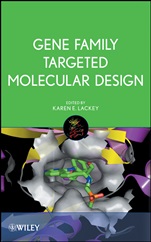
Gene Family Targeted Molecular Design
ISBN 9780470412893
Autor: Karen Lackey
Wydawca: Wiley
Dostępność: 3-6 tygodni
Cena: 625,80 zł
Przed złożeniem zamówienia prosimy o kontakt mailowy celem potwierdzenia ceny.
ISBN13: |
9780470412893 |
ISBN10: |
0470412895 |
Autor: |
Karen Lackey |
Oprawa: |
Hardback |
Rok Wydania: |
2008-12-19 |
Ilość stron: |
368 |
Wymiary: |
244x166 |
Tematy: |
PN |
A gene family focused approach to molecular design
Gene Family Targeted Molecular Design enables scientists to design small molecules that target proteins and minimize interactions with other protein classes by focusing on major gene family targets. Bringing together and synthesizing the latest findings in the field, this book guides readers through compound design methods for generating small molecules that interact with important biological targets in G–protein coupled receptors/7–transmembrane receptors, ion channels, integrins, kinases, proteases, protein–protein interactions, transporters, and nuclear receptors. Each chapter covers all the critical issues to help readers design their own therapeutic small molecules, including:
Affinity for the intended target
Mechanism of the interaction
Examples of small molecules
Ways to change the molecule to attenuate activity
Pros and cons of different discovery methods
Gene Family Targeted Molecular Design begins with an introduction to drug discovery by gene family, which includes a list of suggested readings that provide more in–depth coverage of the functional areas of drug discovery that contribute to this stage of research. All chapters have been contributed by one or more leading researchers in small molecule design and include references to the primary literature. Many chapters feature case studies highlighting successful drug discovery efforts.
Synthetic, structural, computational, and medicinal chemists in academia, biomedical companies, and the pharmaceutical industry will all benefit from this gene family focused approach to molecular design.
Spis treści:
Preface.
Contributors.
Chapter 1: Drug Discovery by Gene Family (Karen Lackey).
1.1 General drug discovery components.
1.2 Further reading for expert knowledge.
1.3 References.
Chapter 2: G–Protein Coupled Receptor
s (Stephen Garland and Tom Heightman).
2.1 Introduction.
2.2 GPCR Structure and Function.
2.3 Challenges Facing the Area of GPCR Drug Discovery.
2.4 Conclusions and Outlook.
2.5 References.
Chapter 3: Ion Channels Gene Family: Strategies for Discovering Ion Channel Drugs (Maria L Garcia and Gregory J. Kaczorowski).
3.1 Introduction.
3.2 Ion Channel Sub–Family Descriptions.
3.3 Structure of Potassium Channels.
3.4 Criteria for Selection of Targets and Establishing Screens.
3.5 A Case Study in Ion Channel Drug Discovery.
3.6 Perspective on Ion Channels as Drug Targets.
3.7 Ion Channel References.
Chapter 4: Integrins (David D. Miller).
4.1 Introduction.
4.2 Integrin Inhibitor Discovery.
4.3 Structure Based Design.
4.4 Challenges – Past and Future.
4.5 References.
Chapter 5: Strategies for Discovering Kinase Drugs (Jerry Adams, Paul Bamborough, David Drewry and Lisa Shewchuk).
5.1 Introduction.
5.2 Protein Kinase Structural Features.
5.3 Generating and Optimizing Kinase Inhibition.
5.4 Establishing Screens for Understanding Kinase Activity and Selectivity.
5.5 Case Studies of Successful Kinase Drug Discovery.
5.6 Kinase References.
Chapter 6: Protease–Directed Drug Discovery (Richard Sedrani, Ulrich Hommel and J"rg Eder).
6.1 Introduction.
6.2 Aspartic Proteases.
6.3 Metalloproteases.
6.4 Serine Proteases.
6.5 Cysteine Proteases.
6.6 Perspective on Proteases as Drug Targets.
6.7 Protease References.
Chapter 7: Small Molecule Inhibitors of Protein–Protein Interactions: Challenges and Prospects (Adrian Whitty).
7.1 Introduction.
7.2 Structure and Properties of PPI.
7.3 Structural and Physicochemical Challenges to Inhibiting PPI with Small Molecules.
7.4 Identifying Hits and Leads Against PPI Targets.
7.5 Assessing the Druggability of New PPI Targets.
7.6 References.
Chapter 8:
Transporters (Anne Hersey, Frank E. Blaney and Sandeep Modi).
8.1 Introduction.
8.2 Methodologies in Transporter Drug Design.
8.3 Therapeutic Transporter Targets in Drug Discovery.
8.4 Transporters as Liability Targets.
8.5 Applications of Methods for Designing Out Interactions with Liability Targets.
8.6 Perspective.
8.7 References.
Chapter 9: Nuclear Receptor Drug Discovery (Hiroyuki Kagechika and Aya Tanatani).
9.1 Introduction.
9.2 Nuclear Receptor Super Family and Their Functions.
9.3 Agonism and Antagonism in Nuclear Receptor Functions.
9.4 Medicinal Chemistry of Retinoid Nuclear Receptors.
9.5 Clinical Application of Retinoids.
9.6 Perspective.
9.7 References.
Chapter 10: Summary and Comparison of Molecules Designed to Modulate Druggable Targets in the Major Gene Families (Karen Lackey).
10.1 Target class concept.
10.2 Summary of unique features for each target class.
10.3 Perspective.
10.4 References.
Appendix.
Brief biographies of contributing authors.
Nota biograficzna:
Karen E. Lackey is the Vice President of Chemistry in Molecular Discovery Research at GlaxoSmithKline. She is responsible for exploratory chemistry and new technology early stage research. Prior to her current assignment, Lackey served as International Director of Systems Chemistry in Discovery Research for GlaxoSmithKline, responsible for generating multiple chemical series for over ten therapeutic areas of drug discovery.
Okładka tylna:
A gene family focused approach to molecular design
Gene Family Targeted Molecular Design enables scientists to design small molecules that target proteins and minimize interactions with other protein classes by focusing on major gene family targets. Bringing together and synthesizing the latest findings in the field, this book guides readers through compound design methods for generating small molecules that int
eract with important biological targets in G–protein coupled receptors/7–transmembrane receptors, ion channels, integrins, kinases, proteases, protein–protein interactions, transporters, and nuclear receptors. Each chapter covers all the critical issues to help readers design their own therapeutic small molecules, including:
Affinity for the intended target
Mechanism of the interaction
Examples of small molecules
Ways to change the molecule to attenuate activity
Pros and cons of different discovery methods
Gene Family Targeted Molecular Design begins with an introduction to drug discovery by gene family, which includes a list of suggested readings that provide more in–depth coverage of the functional areas of drug discovery that contribute to this stage of research. All chapters have been contributed by one or more leading researchers in small molecule design and include references to the primary literature. Many chapters feature case studies highlighting successful drug discovery efforts.
Synthetic, structural, computational, and medicinal chemists in academia, biomedical companies, and the pharmaceutical industry will all benefit from this gene family focused approach to molecular design.
Koszyk
Książek w koszyku: 0 szt.
Wartość zakupów: 0,00 zł
Informacje


Kontakt
Gambit
Centrum Oprogramowania
i Szkoleń Sp. z o.o.
Al. Pokoju 29b/22-24
31-564 Kraków
Siedziba Księgarni
ul. Kordylewskiego 1
31-542 Kraków
+48 12 410 5991
+48 12 410 5987
+48 12 410 5989
Subskrypcje
Administratorem danych osobowych jest firma Gambit COiS Sp. z o.o. Na podany adres będzie wysyłany wyłącznie biuletyn informacyjny.
Autoryzacja płatności

Informacje na temat autoryzacji płatności poprzez PayU.

© Copyright 2012: GAMBIT COiS Sp. z o.o. Wszelkie prawa zastrzeżone.
Projekt i wykonanie: Alchemia Studio Reklamy