


Wydawcy
Katalog tematyczny
- Archeologia (109)
- Ekonomia, finanse, business (13704)
- Filozofia (1445)
- Historia (3040)
- Języki i językoznawstwo (2356)
- Lifestyle, hobby i rozrywka (475)
- Medycyna (9704)
- Nauki humanistyczne (4)
- Nauki o Ziemi i środowisku (2638)
- Nauki ścisłe (20412)
- Astronomia (294)
- Biologia (5119)
- Chemia (6540)
- Chemia analityczna (361)
- Chemia fizyczna (346)
- Chemia nieorganiczna (137)
- Chemia organiczna (535)
- Krystalografia (27)
- Minerologia (46)
- Fizyka (3309)
- Matematyka (4574)
- Nauki ścisłe, ogólnie (503)
- Nauki społeczne (8486)
- Nauki techniczne (13450)
- Prawo (1696)
- Publikacje informacyjne i interdyscyplinarne (1288)
- Religia i wierzenia (917)
- Technika komputerowa (4067)
- Zdrowie, relacje międzyludzkie i rozwój osobisty (657)





Informacje szczegółowe o książce
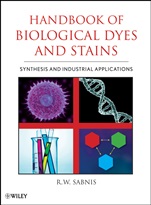
Handbook of Biological Dyes and Stains: Synthesis and Industrial Applications
ISBN 9780470407530
Autor: R. W. Sabnis
Wydawca: Wiley
Dostępność: 3-6 tygodni
Cena: 822,15 zł
Przed złożeniem zamówienia prosimy o kontakt mailowy celem potwierdzenia ceny.
ISBN13: |
9780470407530 |
ISBN10: |
0470407530 |
Autor: |
R. W. Sabnis |
Oprawa: |
Hardback |
Rok Wydania: |
2010-04-09 |
Ilość stron: |
544 |
Wymiary: |
285x216 |
Tematy: |
PN |
A complete, up–to–date resource of information on more than 200 dyes and stains
Handbook of Biological Dyes and Stains is the most comprehensive volume available on the subject, covering all the available dyes and stains known to date in the literature for use in biology and medicine. Top dye expert Dr. Ram Sabnis organizes the compounds alphabetically by the most commonly used chemical name. He presents an easy–to–use reference complete with novel ideas for breakthrough research in medical, biological, chemical, and related fields.
This is the first book to give the CAS registry number, chemical structure, Chemical Abstracts index name, all other chemical names, Merck Index number, chemical/dye class, molecular formula, molecular weight, physical form, solubility, melting point, boiling point, pH range, color change at pH, pKa, absorption, and emission maxima of dyes and stains, as well as to provide access to synthesis procedures (lab scale and industrial scale) of dyes and stains. This user–friendly handbook also features references on safety, toxicity, and adverse effects of dyes and stains on humans, animals, and the environment, including:acute/chronic toxicityaquatic toxicitycarcinogenicitycytotoxicityecotoxicitygenotoxicityhepatotoxicitymarine toxicitymutagenicitynephrotoxicityneurotoxicityoral toxicityphototoxicityphytotoxicity
The use of biological dyes and stains has extremely high potential in today′s business environment. This makes Handbook of Biological Dyes and Stains a convenient, must–have reference. Its staining, biological, and industrial applications make it a vital resource for industrial and academic researchers; the book also serves as a valuable desktop reference for medical professionals, biologists, chemists, chemical/optical engineers, physicists, materials scientists, intellectual property pr
ofessionals, students, and professors.
Spis treści:
PREFACE.
ABOUT THE AUTHOR.
ACID FUCHSIN.
ACRIDINE HOMODIMER.
ACRIDINE ORANGE.
ALCIAN BLUE 8GX.
ALIZARIN.
ALIZARIN RED S.
ALLURA RED.
AMARANTH.
9–AMINO–6–CHLORO–2–METHOXYACRIDINE (ACMA).
ANILINE BLUE (METHYL BLUE).
AURAMINE O.
AZURE A.
AZURE B.
BAPTA.
BAPTA AM.
BASIC FUCHSIN.
BISMARK BROWN Y.
BLUE TETRAZOLIUM (BT).
BOBO 1.
BOBO 3.
BODIPY FL C5–CERAMIDE.
BRILLIANT BLUE FCF.
BRILLIANT CRESYL BLUE.
BRILLIANT GREEN.
BSPT.
BTC.
BTC AM.
CALCEIN.
CALCEIN AM.
CALCEIN BLUE.
CALCEIN BLUE AM.
CALCIUM GREEN 1.
CALCIUM GREEN 2.
CALCIUM GREEN 5N.
CARMINE.
COELENTERAZINE.
COELENTERAZINE cp.
COELENTERAZINE f.
COELENTERAZINE h.
COELENTERAZINE hcp.
COELENTERAZINE n.
CONGO RED.
CoroNa GREEN.
CoroNa GREEN AM.
CoroNa RED.
CRESYL VIOLET ACETATE.
CRYSTAL VIOLET.
CYANOTOLYL TETRAZOLIUM CHLORIDE (CTC).
DAF FM.
DANSYL CADAVERINE.
DAPI.
DARROW RED.
DASPEI.
DASPMI.
Di–2–ANEPEQ.
Di–4–ANEPPS.
Di–8–ANEPPS.
DiBAC4(3).
DiBAC4(5).
DiD.
DIHYDROETHIDIUM.
DIHYDRORHODAMINE 6G.
DIHYDRORHODAMINE 123.
DiI.
DiIC1(5).
DiOC2(3).
DiOC5(3).
DiOC6(3).
DiOC7(3).
DiSBAC2(3).
DiSC3(5).
EOSIN B.
EOSIN Y.
ERYTHROSIN.
ETHIDIUM BROMIDE.
ETHIDIUM HOMODIMER–1 (EthD–1).
ETHIDIUM HOMODIMER–2 (EthD–2).
ETHIDIUM MONOAZIDE (EMA).
ETHYL EOSIN.
FAST GREEN FCF.
FLUO 3.
FLUO 3 AM.
FLUO 4.
FLUO 4 AM.
FLUOZIN 1.
FLUOZIN 2.
FLUOZIN 3.
FM 4–64.
FURA 2.
FURA 2 AM.
FURA 2FF.
GIEMSA STAIN.
HEMATOXYLIN.
HEXIDIUM IODIDE.
HOECHST 33258.
HOECHST 33342.
HOECHST 34580.
INDIGO CARMINE.
INDO 1.
INDO 1 AM.
IODONITRO TETRAZOLIUM (INT).
JANUS GREEN B.
JC 1.
JC 9.
JOJO 1.
JO–PRO 1.
LIGHT GREEN SF YELLOWISH.
LOLO 1.
LUCIFER YELLOW CH.
LUCIFER YELLOW VS.
LUCIGENIN.
MAG–FURA 2 (FURAPTRA).
MAG–FURA 2 AM.
MAG–INDO 1.
MAG–INDO 1 AM.
MAGNESIUM GREEN.
MALACHITE GREEN.
MALACHITE GREEN OXALATE SALT.
MEQ.
METHYLENE BLUE.
METHYLENE BLUE TRIHYDRATE.
METHYLENE VIOLET (METHYLENE VIOLET BERNTHSEN).
METHYL GREEN.
METHYL ORANGE (ORANGE III).
METHYLTHIAZOLETETRAZOLIUM (MTT).
METHYL VIOLET 2B (METHYL VIOLET).
MONOBROMOBIMANE (mBBr).
MQAE.
NBD C6–CERAMIDE.
NBD METHYLHYDRAZINE.
NEOTETRAZOLIUM (NT).
NEUTRAL RED.
NEWPORT GREEN DCF.
NEWPORT GREEN PDX.
NIGROSIN.
NILE BLUE A.
NITRO BLUE TETRAZOLIUM (NBT).
NONYL–ACRIDINE ORANGE (NAO).
NUCLEAR YELLOW.
OIL RED O.
ORANGE II (TROPAEOLIN OOO).
ORANGE G.
ORCEIN.
OXONOL V.
OXONOL VI.
PARAROSANILINE HYDROCHLORIDE.
PBFI.
PBFI AM.
PHEN GREEN SK.
PHLOXINE B.
PONCEAU SX.
POPO 1.
POPO 3.
PO–PRO 1.
PO–PRO 3.
PROPIDIUM IODIDE.
PYRONIN B.
PYRONIN Y.
QSY 7 CARBOXYLIC ACID, SUCCINIMIDYL ESTER.
QSY 9 CARBOXYLIC ACID, SUCCINIMIDYL ESTER.
QSY 21 CARBOXYLIC ACID, SUCCINIMIDYL ESTER.
QUIN 2.
QUIN 2 AM.
REDOXSENSOR RED CC–1.
RESAZURIN SODIUM SALT.
RH 237.
RH 414.
RH 421.
RH 795.
RHODAMINE 6G.
RHODAMINE 123.
RHODZIN 3.
ROSE BENGAL.
SAFRANIN O.
SBFI.
SBFI AM.
SPQ.
STAINS–ALL.
STILBENE ISOTHIOCYANATE SULFONIC ACID (SITS).
SUDAN BLACK B.
SUDAN III.
SUDAN IV.
SUNSET YELLOW FCF.
TARTRAZINE.
TETRANITRO BLUE TETRAZOLIUM (TNBT).
TETRAZOLIUM VIOLET (TV).
THIONIN.
TMRE.
TMRM.
TOLUIDINE BLUE O.
TO–PRO 1.
TO–PRO 3.
TO–PRO 5.
TOTO 1.
TOTO 3.
TRIPHENYL TETRAZOLIUM CHLORIDE (TTC).
TSQ.
XTT.
YO–PRO 1.
YO–PRO 3.
YOYO 1.
YOYO 3.
ZINQUIN.
ZINQUIN ESTER.
AP
PENDIX A INDEX OF CAS REGISTRY NUMBERS.
APPENDIX B INDEX OF BIOLOGICAL DYES/STAINS (CERTIFIED BY BIOLOGICAL STAIN COMMISSION).
APPENDIX C INDEX OF FD&C DYES (APPROVED BY FOOD & DRUG ADMINISTRATION).
APPENDIX D INDEX OF METAL INDICATORS.
APPENDIX E INDEX OF NUCLEIC ACID STAINS.
APPENDIX F INDEX OF ORGANELLE PROBES.
APPENDIX G INDEX OF pH INDICATORS.
Nota biograficzna:
RAM W. SABNIS, PhD, is a patent agent at Pfizer Inc. in Madison, New Jersey. His interests include dyes, pigments, organic chemistry, nanotechnology, biotechnology, medicinal chemistry, medical devices, and patents. He is a registered patent agent with the U.S. Patent and Trademark Office and is also the inventor of more than fifty U.S. and international patents (issued/published). Dr. Sabnis is one of the world′s foremost experts on dyes, inventing the world′s first colored bubbles (non–staining) and a color–changing dye system with many applications. He has more than twenty–five years of industrial and academic research experience in dye chemistry and more than 150 publications, which include books, book chapters, encyclopedia chapters, patents, reviews, papers, and symposia presentations. Dr. Sabnis is the recipient of the Perkin Innovation Award, Grand Innovation Award, Competitive Spirit Award, and Best Doctoral Thesis Award.
Okładka tylna:
A complete, up–to–date resource of information on more than 200 dyes and stains
Handbook of Biological Dyes and Stains is the most comprehensive volume available on the subject, covering all the available dyes and stains known to date in the literature for use in biology and medicine. Top dye expert Dr. Ram Sabnis organizes the compounds alphabetically by the most commonly used chemical name. He presents an easy–to–use reference complete with novel ideas for breakthrough research in medical, biological, chemical,
and related fields.
This is the first book to give the CAS registry number, chemical structure, Chemical Abstracts index name, all other chemical names, Merck Index number, chemical/dye class, molecular formula, molecular weight, physical form, solubility, melting point, boiling point, pH range, color change at pH, pKa, absorption, and emission maxima of dyes and stains, as well as to provide access to synthesis procedures (lab scale and industrial scale) of dyes and stains. This user–friendly handbook also features references on safety, toxicity, and adverse effects of dyes and stains on humans, animals, and the environment, including:acute/chronic toxicityaquatic toxicitycarcinogenicitycytotoxicityecotoxicitygenotoxicityhepatotoxicitymarine toxicitymutagenicitynephrotoxicityneurotoxicityoral toxicityphototoxicityphytotoxicity
The use of biological dyes and stains has extremely high potential in today′s business environment. This makes Handbook of Biological Dyes and Stains a convenient, must–have reference. Its staining, biological, and industrial applications make it a vital resource for industrial and academic researchers; the book also serves as a valuable desktop reference for medical professionals, biologists, chemists, chemical/optical engineers, physicists, materials scientists, intellectual property professionals, students, and professors.
Koszyk
Książek w koszyku: 0 szt.
Wartość zakupów: 0,00 zł
Informacje


Kontakt
Gambit
Centrum Oprogramowania
i Szkoleń Sp. z o.o.
Al. Pokoju 29b/22-24
31-564 Kraków
Siedziba Księgarni
ul. Kordylewskiego 1
31-542 Kraków
+48 12 410 5991
+48 12 410 5987
+48 12 410 5989
Subskrypcje
Administratorem danych osobowych jest firma Gambit COiS Sp. z o.o. Na podany adres będzie wysyłany wyłącznie biuletyn informacyjny.
Autoryzacja płatności

Informacje na temat autoryzacji płatności poprzez PayU.

© Copyright 2012: GAMBIT COiS Sp. z o.o. Wszelkie prawa zastrzeżone.
Projekt i wykonanie: Alchemia Studio Reklamy