


Wydawcy
Katalog tematyczny
- Archeologia (109)
- Ekonomia, finanse, business (13704)
- Filozofia (1445)
- Historia (3040)
- Języki i językoznawstwo (2356)
- Lifestyle, hobby i rozrywka (475)
- Medycyna (9704)
- Nauki humanistyczne (4)
- Nauki o Ziemi i środowisku (2638)
- Nauki ścisłe (20412)
- Nauki społeczne (8486)
- Nauki techniczne (13450)
- Prawo (1696)
- Publikacje informacyjne i interdyscyplinarne (1288)
- Religia i wierzenia (917)
- Technika komputerowa (4067)
- Zdrowie, relacje międzyludzkie i rozwój osobisty (657)





Informacje szczegółowe o książce
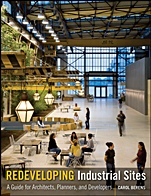
Redeveloping Industrial Sites: A Guide for Architects, Planners, and Developers
ISBN 9780470398241
Autor: Carol Berens
Wydawca: Wiley
Dostępność: 3-6 tygodni
Cena: 422,10 zł
Przed złożeniem zamówienia prosimy o kontakt mailowy celem potwierdzenia ceny.
ISBN13: |
9780470398241 |
ISBN10: |
0470398248 |
Autor: |
Carol Berens |
Oprawa: |
Hardback |
Rok Wydania: |
2010-11-02 |
Ilość stron: |
312 |
Wymiary: |
243x193 |
Tematy: |
AM |
The ultimate resource on strategies for redeveloping abandoned urban sites Architects, urban planners, urban designers, developers, city officials, and all those interested in revitalizing their post–industrial cities will find the tools they need here. Redeveloping Industrial Sites delivers solutions to complex issues concerning urban planning, design, and financing to reveal lessons on ways to successfully convert decaying land and buildings into vibrant parks, stimulating cultural destinations, and active commercial complexes. In addition, carefully chosen real–world examples illustrate topics such as sustainability, public policy, and developer know–how to form a complete picture of the elements involved in planning and executing urban redevelopment projects. Redeveloping Industrial Sites: Covers strategies used to turn abandoned industrial sites into vibrant new neighborhoods and special districts such as Toronto′s Distillery District and Philadelphia′s Piazza at Schmidts Emphasizes design and economic issues that urban planners and city officials need to plan successful projects as well as manage spontaneous neighborhood transformations such as loft conversions Includes case studies of a variety of redevelopments from across North America and Europe ranging from large projects such as New York′s Hudson River Park and Amsterdam′s harbor to the small, but important neighborhood regenerators such as Baltimore′s American Brewery Building for Humanim Examines how cities from Minneapolis, Minnesota to North Adams, Massachusetts, to Swansea, Wales harnessed the forces of tourism and art to transform their mills and harbors Providing historical context as well as current perspective, Redeveloping Industrial Sites offers clear direction on repurposing derelict and polluted wastelands and warehouses into vital, living extensions of their communities.
Acknowledgements. Introduction. Section One The Industrial Legacy. Chapter 1 Patterns of Industrial Settlement. Industry Arrives. Transportation. Why Industry Left and What it Left Behind. Chapter 2 The Emergence of an Industrial Architecture and Aesthetic. Industrial Buildings––Early Developments. Industrial Architecture and the Modern Movement. Industrial Aesthetic and Renovation. Section Two Redevelopment––An Overview. Chapter 3 Project Planning. Public Outreach: Requests for Proposals, Competitions and Other Tool for Public Participation. Government Initiated Projects. Developer Initiated Projects. Community Initiated Projects. Chapter 4 Public Policy and Urban Evolution. Urban Evolution, Rezoning and Development Controls. Retaining Industry. Art as an Economic Development Engine. Chapter 5 Environmental Remediation and Development. Environmental Regulation. Sidebar––Tacoma. Sustainability Issues. Remediation and Landscape Art and Architecture. Chapter 6 Development Financing Programs. Tax Credit Programs. Conservation Easements. TIF––Tax Incremental Financing for brownfields. Section Three Project Types. Chapter 7 Cultural Uses. Architecture as Advertising. Museums of Industry. Adaptive Reuse. Chapter 8 Residential, Commercial and Mixed–Use Developments. Pioneering Projects. Large Scale Redevelopment. The Role of Single Purpose Entities or Development Corporations. Self–Contained Projects. Chapter 9 Open Space and Parks. Creating New Parks––An Overview. Retaining History through Design. Waterfront Parks. Hudson River Park. Afterword. Bibliography. Appendix Resources.
Carol Berens is a vice president with the Empire State Development Corporation in New York City. An architect and developer, Berens manages land development of upstate New York mixed–used communities as well as the sale and development of state–owned land. She is the author of the book Hotel Bars and Lobbies, as well as articles on design and urban issues.
Koszyk
Książek w koszyku: 0 szt.
Wartość zakupów: 0,00 zł
Informacje


Kontakt
Gambit
Centrum Oprogramowania
i Szkoleń Sp. z o.o.
Al. Pokoju 29b/22-24
31-564 Kraków
Siedziba Księgarni
ul. Kordylewskiego 1
31-542 Kraków
+48 12 410 5991
+48 12 410 5987
+48 12 410 5989
Subskrypcje
Administratorem danych osobowych jest firma Gambit COiS Sp. z o.o. Na podany adres będzie wysyłany wyłącznie biuletyn informacyjny.
Autoryzacja płatności

Informacje na temat autoryzacji płatności poprzez PayU.

© Copyright 2012: GAMBIT COiS Sp. z o.o. Wszelkie prawa zastrzeżone.
Projekt i wykonanie: Alchemia Studio Reklamy