


Wydawcy
Katalog tematyczny
- Archeologia (109)
- Ekonomia, finanse, business (13704)
- Filozofia (1445)
- Historia (3040)
- Języki i językoznawstwo (2356)
- Lifestyle, hobby i rozrywka (475)
- Medycyna (9704)
- Nauki humanistyczne (4)
- Nauki o Ziemi i środowisku (2638)
- Nauki ścisłe (20412)
- Nauki społeczne (8486)
- Nauki techniczne (13450)
- Prawo (1696)
- Publikacje informacyjne i interdyscyplinarne (1288)
- Religia i wierzenia (917)
- Technika komputerowa (4067)
- Zdrowie, relacje międzyludzkie i rozwój osobisty (657)





Informacje szczegółowe o książce
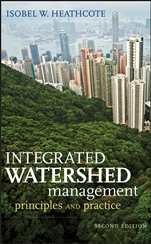
Integrated Watershed Management: Principles and Practice
ISBN 9780470376256
Autor: Isobel W. Heathcote
Wydawca: Wiley
Dostępność: 3-6 tygodni
Cena: 746,55 zł
Przed złożeniem zamówienia prosimy o kontakt mailowy celem potwierdzenia ceny.
ISBN13: |
9780470376256 |
ISBN10: |
0470376252 |
Autor: |
Isobel W. Heathcote |
Oprawa: |
Hardback |
Rok Wydania: |
2009-03-06 |
Numer Wydania: |
2nd Edition |
Ilość stron: |
464 |
Wymiary: |
245x171 |
Tematy: |
AT |
It has been said that "water is the oil of the 21st century." Comprehensive in scope and multidisciplinary in approach, here is a guide to developing and implementing a watershed management plan. By evaluating a watershed management plan based on its economic, biophysical, and social aspects, the book presents a integrated approach for developing plans which address the many stakeholders in watershed health and use. It equips readers with the necessary tools and techniques to develop sound watershed management policy and practice from problem definition and goal setting to electing management strategies and procedures for monitoring implementation. This new edition has been updated throughout with new technology, legislation, references, and an improved art program. Increased international coverage of watershed issues reflects the growing importance of water as a truly global issue.
Spis treści:
Preface.
Chapter 1 Introduction.
1.1 Current Issues in Water Management.
1.2 Characteristics of Effective Watershed Management.
1.3 Why ``Integrated′′ Management?
1.4 A Recommended Planning and Management Approach.
Chapter 2 the Watershed Inventory.
2.1 Physical Features and Landforms.
2.2 Climate.
2.3 Soils, Infiltration, and Runoff.
2.4 Streamflow.
2.5 Groundwater.
2.6 Water Quality.
2.7 Plant and Animal Communities.
2.8 Land Use.
2.9 Social and Economic Systems.
2.10 Valued Features and Activities.
References.
Chapter 3 Problem Definition and Scoping.
3.1 Identifying Current Water Uses and Use Impairments.
3.2 Identifying Current Water Users (Stakeholders).
3.3 Setting Targets for Future Use.
3.4 Scoping the Plan.
References.
Chapter 4 the Consultation Process.
4.1 The Need for Public Involvement.
4.2 Principles of Consultation.
4.3 Identifying Interested Publics.
4.4 Public Involvement Techniques and Processes.
4.5 Evaluati
ng the Results.
References.
Chapter 5 Developing Workable Management Options.
5.1 Identifying the Sources.
5.2 Creating A Long List of Management Options.
5.3 Types of Options.
5.4 Developing Mutually Exclusive Management Alternatives.
5.5 Evaluation Constraints and Criteria.
References.
Chapter 6 Simple Assessment Methods.
6.1 The Watershed Inventory.
6.2 Scoping.
6.3 Developing and Screening Management Alternatives.
6.4 Outputs of A Simple Assessment Process.
6.5 An Example of the Application of Simple Assessment Procedures.
References.
Chapter 7 Detailed Assessment Methods.
7.1 The Detailed Watershed Inventory.
7.2 Scoping.
7.3 Developing and Screening Management Alternatives.
References.
Chapter 8 Costing and Financing.
8.1 Scope and Measures.
8.2 Costing Major Public Works.
8.3 Benefit–Cost Analysis.
8.4 Allocation of Costs Among Multipurpose Projects.
8.5 Quantifying Intangibles.
8.6 Incorporating Risk and Uncertainty in Economic Analyses.
8.7 Capital Financing (Sourcing).
References.
Chapter 9 Legal, Institutional, and Administrative Concerns.
9.1 The Evolution of Modern Environmental Protection Legislation.
9.2 Common–Law Causes of Action.
9.3 The Making of Laws.
9.4 Existing Legal Frameworks for Water and Environmental Management.
9.5 Administrative and Institutional Systems.
9.6 Transboundary Water Issues and Free Trade.
References.
Chapter 10 Environmental and Social Impact Assessment.
10.1 The History of Environmental Assessment Policy.
10.2 Overview of the Ea Process.
10.3 Challenges in Environmental Assessment.
10.4 Environmental Assessment Methodologies.
10.5 Social Impact Assessment.
10.6 Strategic Environmental Assessment.
10.7 Monitoring and Follow–Up.
10.8 The Shortcomings of Environmental Assessment.
References.
Chapter 11 Choosing the Best P
lan.
11.1 Evaluating the Effectiveness of Options and Strategies.
11.2 Implementation Considerations.
11.3 Case Study: Watershed Management for Gander Lake, Newfoundland.
References.
Chapter 12 Implementing the Plan.
12.1 Principles of Water Resources Administration.
12.2 Planning for Successful Implementation.
12.3 Why Implementation Sometimes Fails.
12.4 Case Studies.
12.5 Lessons Learned.
References.
References.
Koszyk
Książek w koszyku: 0 szt.
Wartość zakupów: 0,00 zł
Informacje


Kontakt
Gambit
Centrum Oprogramowania
i Szkoleń Sp. z o.o.
Al. Pokoju 29b/22-24
31-564 Kraków
Siedziba Księgarni
ul. Kordylewskiego 1
31-542 Kraków
+48 12 410 5991
+48 12 410 5987
+48 12 410 5989
Subskrypcje
Administratorem danych osobowych jest firma Gambit COiS Sp. z o.o. Na podany adres będzie wysyłany wyłącznie biuletyn informacyjny.
Autoryzacja płatności

Informacje na temat autoryzacji płatności poprzez PayU.

© Copyright 2012: GAMBIT COiS Sp. z o.o. Wszelkie prawa zastrzeżone.
Projekt i wykonanie: Alchemia Studio Reklamy