


Wydawcy
Katalog tematyczny
- Archeologia (109)
- Ekonomia, finanse, business (13704)
- Filozofia (1445)
- Historia (3040)
- Języki i językoznawstwo (2356)
- Lifestyle, hobby i rozrywka (475)
- Medycyna (9704)
- Nauki humanistyczne (4)
- Nauki o Ziemi i środowisku (2638)
- Nauki ścisłe (20412)
- Astronomia (294)
- Biologia (5119)
- Chemia (6540)
- Chemia analityczna (361)
- Chemia fizyczna (346)
- Chemia nieorganiczna (137)
- Chemia organiczna (535)
- Krystalografia (27)
- Minerologia (46)
- Fizyka (3309)
- Matematyka (4574)
- Nauki ścisłe, ogólnie (503)
- Nauki społeczne (8486)
- Nauki techniczne (13450)
- Prawo (1696)
- Publikacje informacyjne i interdyscyplinarne (1288)
- Religia i wierzenia (917)
- Technika komputerowa (4067)
- Zdrowie, relacje międzyludzkie i rozwój osobisty (657)





Informacje szczegółowe o książce
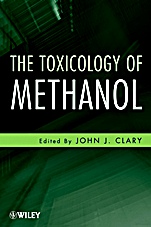
The Toxicology of Methanol
ISBN 9780470317594
Autor: John J. Clary
Wydawca: Wiley
Dostępność: 3-6 tygodni
Cena: 636,30 zł
Przed złożeniem zamówienia prosimy o kontakt mailowy celem potwierdzenia ceny.
ISBN13: |
9780470317594 |
ISBN10: |
0470317590 |
Autor: |
John J. Clary |
Oprawa: |
Hardback |
Rok Wydania: |
2013-03-12 |
Ilość stron: |
304 |
Wymiary: |
240x157 |
Tematy: |
PN |
Examines methanol toxicity in humans, animals, and theenvironment
Methanol is a natural product widely used as a chemicalintermediate and as a component in a broad range of consumerproducts. It can also be highly toxic. This book offers acomprehensive review of the toxicity of methanol and its effects onhumans, animals, and the environment. Much of the current researchon methanol′s toxicity involves animal models; however, the authorexplains how the results of this research can apply to humans.
The Toxicology of Methanol begins with an introduction tomethanol production and markets. It then explores the impact ofmethanol on the environment, presenting realistic scenarios thatdemonstrate what can happen when large quantities of methanol areaccidentally released into the environment. Next, the bookcovers:
Human toxicity, including exposure, metabolism, in uteroexposure, controlled human studies, and management of methanolpoisoning Animal and aquatic toxicity, including acute toxicity,irritation, sensitization, and repeat exposures Developmental and reproductive toxicology of methanol as wellas the pathogenesis of methanol–induced birth defects Key differences between PBPK models of methanol disposition inmice and in humans Oxidative stress and species differences in the metabolism,developmental toxicity, and carcinogenic potential of methanol andethanolThe final chapter is dedicated to methanol and cancer, exploringpotential mechanisms such as genotoxicity and oxidative damage.Each chapter in the book ends with conclusions underscoring what wecan glean from current research results. Each chapter also includesextensive references leading to the primary literature in thefield.
Reviewing all the latest research studies, The Toxicology ofMethanol will help toxicologists, industrial hygienists,environmental scientists, and product safety professionals betterunderstand and manage the hazards of methanol toxicity.
Preface xiii
Contributors xv
1 Methanol Production and Markets: Past, Present, and Future1
Gregory A. Dolan
References 9
2 Methanol: Fate and Transport in the Environment11
Rula A. Deeb, Todd L. Anderson, Michael C. Kavanaugh, and LaurenA. Kell
2.1 Introduction 11
2.2 Partitioning of Methanol in the Environment 16
2.3 Fate and Transport of Methanol in the Environment 22
2.4 Methanol Additives 37
2.5 Conclusions 40
References 40
3 Human Toxicity 47
John J. Clary
3.1 Introduction 47
3.2 Exposure 48
3.3 Metabolism in Humans 50
3.4 History of Human Toxicity 54
3.5 Controlled Human Studies 60
3.6 In Utero Exposure 62
3.7 Repeat Inhalation Exposure 63
3.8 Management of Methanol Poisoning 64
3.9 Conclusions 66
References 67
4 General Animal and Aquatic Toxicity 73
John J. Clary
4.1 Introduction 73
4.2 Acute Toxicity 74
4.3 Irritation 86
4.4 Sensitization 87
4.5 Repeat Exposure Inhalation 87
4.6 Repeat Exposure Oral 94
4.7 Repeat Exposure Dermal 96
4.8 Aquatic Toxicity 96
4.9 Conclusion 99
References 100
5 Developmental and Reproductive Toxicology of Methanol107
John M. Rogers, Jeffrey S. Gift, and Stanley Barone, Jr.
5.1 Introduction 107
5.2 Reproductive Toxicity 108
5.3 Developmental Toxicity 110
5.4 Conclusions 136
Disclaimer 139
References 139
6 Exploring Differences Between PBPK Models of MethanolDisposition in Mice and Humans: Important Lessons Learned145
Thomas B. Starr
6.1 Background 145
6.2 Are Humans More or Less Sensitive than Mice to the ToxicEffects of Methanol? 148
6.3 Are the Two Models Predictions of Human BloodMethanol Concentrations at Steady State Consistent with Each Other?153
6.4 Are the Values of Key Human Metabolism Parameters Consistentwith Those in the Published Scientific Literature? 155
6.5 Shouldn t the Possibility of Systematic Bias beConsidered Carefully During the Model Fitting and ParameterEstimation Process? 160
6.6 Is Visual Optimization an Adequate Techniquefor Estimating PBPK Model Parameters? 161
6.7 When Human Data are Available, Shouldn t they beUtilized in Making an Objective Comparison of Model–SpecificPredictions? 163
6.8 Summary of Lessons Learned 164
References 165
7 Oxidative Stress and Species Differences in the Metabolism,Developmental Toxicity, and Carcinogenic Potential of Methanol andEthanol 169
Peter G. Wells, Gordon P. McCallum, Lutfiya Miller, MichelleSiu, and J. Nicole Sweeting
7.1 Introduction 169
7.2 Species Differences in Methanol Metabolism 179
7.3 Species and Strain Differences in Methanol Toxicity 191
7.4 Oxidative Stress 213
7.5 Conclusions 237
Acknowledgment 238
References 238
8 Methanol and Cancer 255
John J. Clary
8.1 Introduction 255
8.2 Rodent Bioassay 256
8.3 Possible Mechanisms 270
8.4 Human Cancer Data 276
8.5 Conclusion 276
References 277
Index 283
JOHN J. CLARY is President of Bio Risk, a toxicologyconsulting firm. Previously, he worked for two U.S. governmentresearch laboratories, managed the toxicology groups of DuPont andHoechst Celanese, and served as Director of Toxicology for DowCorning and Celanese. Dr. Clary has authored sixty–fivearticles.
Koszyk
Książek w koszyku: 0 szt.
Wartość zakupów: 0,00 zł
Informacje


Kontakt
Gambit
Centrum Oprogramowania
i Szkoleń Sp. z o.o.
Al. Pokoju 29b/22-24
31-564 Kraków
Siedziba Księgarni
ul. Kordylewskiego 1
31-542 Kraków
+48 12 410 5991
+48 12 410 5987
+48 12 410 5989
Subskrypcje
Administratorem danych osobowych jest firma Gambit COiS Sp. z o.o. Na podany adres będzie wysyłany wyłącznie biuletyn informacyjny.
Autoryzacja płatności

Informacje na temat autoryzacji płatności poprzez PayU.

© Copyright 2012: GAMBIT COiS Sp. z o.o. Wszelkie prawa zastrzeżone.
Projekt i wykonanie: Alchemia Studio Reklamy