


Wydawcy
Katalog tematyczny
- Archeologia (109)
- Ekonomia, finanse, business (13704)
- Filozofia (1445)
- Historia (3040)
- Języki i językoznawstwo (2356)
- Lifestyle, hobby i rozrywka (475)
- Medycyna (9704)
- Nauki humanistyczne (4)
- Nauki o Ziemi i środowisku (2638)
- Nauki ścisłe (20412)
- Nauki społeczne (8486)
- Nauki techniczne (13450)
- Prawo (1696)
- Publikacje informacyjne i interdyscyplinarne (1288)
- Religia i wierzenia (917)
- Technika komputerowa (4067)
- Zdrowie, relacje międzyludzkie i rozwój osobisty (657)





Informacje szczegółowe o książce
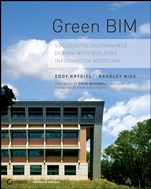
Green BIM: Successful Sustainable Design with Building Information Modeling
ISBN 9780470239605
Autor: Eddy Krygiel, Brad Nies, Steve McDowell
Wydawca: Wiley
Dostępność: 3-6 tygodni
Cena: 227,85 zł
Przed złożeniem zamówienia prosimy o kontakt mailowy celem potwierdzenia ceny.
ISBN13: |
9780470239605 |
ISBN10: |
0470239603 |
Autor: |
Eddy Krygiel, Brad Nies, Steve McDowell |
Oprawa: |
Paperback |
Rok Wydania: |
2008-04-24 |
Ilość stron: |
268 |
Wymiary: |
231x186 |
Tematy: |
AM |
Practice Integrated Sustainable Design with BIM Meet the challenge of integrating Building Information Modeling and sustainability with this in–depth guide, which pairs these two revolutionary movements to create environmentally friendly design through a streamlined process. Written by an award–winning team that has gone beyond theory to lead the implementation of Green BIM projects, this comprehensive reference features practical strategies, techniques, and real–world expertise so that you can create sustainable BIM projects, no matter what their scale. From basic concepts, to sophisticated test methodologies, to improved workflows, this timely book offers a wealth of information you can implement right away. Learn why BIM is an important tool for sustainability Understand when and how to evaluate the effect of green resources on your projects Understand Building Information Modeling, from concept to construction See how to best use 3D geometric models instead of 2D CAD designs Factor sustainability into the design process, leveraging free environmental resources Set up a BIM model and identify material quantities to figure upstream impact and downstream consequences Transform traditional processes into new workflows that integrate the entire design team and emphasize green solutions from the start
Forword. Introduction. Chapter 1 Introducing Green. Sustainability. A Brief History of Sustainable Design. Recent Trends Toward Sustainable Design. Defining Sustainable Design. Why Is Sustainable Design Important? Green Building Rating Systems. Living Buildings: The Near Future of Sustainable Design. Chapter 2 Building Information Modeling. What Is BIM? Why Is BIM Important? Understanding BIM. Basic Benefits of BIM. A Change in Method and Approach. Beyond Documentation. Migrating to BIM. BIM as a Workflow. Lewis and Clark State Office Building. Ranges of BIM. Chapter 3 Integrated Design Teams. The Shift in Responsibility. Why an Integrated Design. The Team Members. The Designers. The Owner. The Contractor. The Community. Collaboration, Commitment, and Passion. Collaboration. Owner Commitment. Project Team Passion. Facilitating Integration in Process. Design Phase Workshops. Predesign. Schematic Design. Design Development. Construction Delivery Method. Design–Bid–Build. Negotiated Guaranteed Maximum Price. Design–Build. Is One Construction Delivery Method the Best? Moving Forward. Chapter 4 Methodology For Sustainable Solutions. Order of Operations. Understanding Climate, Culture, and Place. Understanding the Building Type. Reducing the Resource Consumption Need. Using Free/Local Resources and Natural Systems. Using Efficient Man–made Systems. Applying Renewable Energy Generation Systems. Offsetting Your Negative Impacts. Chapter 5 Sustainable BIM: Building Form. Getting Started. Building Orientation. Understanding the Impacts of Climate. Reducing Resource Need. Setting Project Goals. Using BIM for Building Orientation: Finding Solar South. Building Massing. Understanding the Impact of Climate, Culture, and Place. Reducing Resource Need. Using BIM for Building Massing. Analyzing Building Form. Optimizing the Building Envelope. Daylighting. Understanding the Impacts of Climate, Culture, and Place. Setting Project Goals. Using BIM for Daylighting. Chapter 6 Sustainable BIM: Building Systems. Water Harvesting. Understanding the Impacts of Climate. Reducing Water Need. Defining a Baseline and Setting Goals. Using BIM for Water Harvesting. Analyzing Water Harvesting. Optimizing Water Harvesting. Energy Modeling. Understanding the Impacts of Climate. Reducing Energy Needs. Energy Use Baseline and Setting Project Goals. Using BIM for Energy Analysis. Using Renewable Energy. Understanding the Impacts of Climate and Place. Reducing Energy Needs. Using BIM for Renewable Energy. Analyzing Renewable Energy. Optimizing a Solar Array. Using Sustainable Materials. Understanding the Impacts of Climate, Culture, and Place. Reducing Material Needs. Setting a Baseline. Using BIM for Sustainable Materials. Chapter 7 The future of BIM and Sustainable Design. Moving Forward with BIM. Using BIM as a Tool for Integration. A Fundamental Tenet of True Sustainability. Moving Forward with Sustainable Design. Leading by Example. Funding Green Design. Opportunities for Change. Index.
Eddy Krygiel, AIA, LEED AP is a practicing architect at BNIM Architects, which has four projects that have received AIA COTE Top Ten Green Project Awards. Eddy is responsible for implementing BIM at BNIM and also consults for other firms looking to implement BIM. He also teaches Revit to practicing architects and architectural students and has lectured around the nation on the use of BIM in the construction industry. Eddy has co–authored papers and books on BIM and sustainability as well as several books on using Autodesk Revit Architecture. Bradley Nies, AIA, LEED AP, is a registered architect and Director of Elements, the sustainable design consulting division of BNIM Architects. Brad has worked on all levels of U.S. Green Building Council LEED–Certified projects, including two that achieved Platinum certification.
Koszyk
Książek w koszyku: 0 szt.
Wartość zakupów: 0,00 zł
Informacje


Kontakt
Gambit
Centrum Oprogramowania
i Szkoleń Sp. z o.o.
Al. Pokoju 29b/22-24
31-564 Kraków
Siedziba Księgarni
ul. Kordylewskiego 1
31-542 Kraków
+48 12 410 5991
+48 12 410 5987
+48 12 410 5989
Subskrypcje
Administratorem danych osobowych jest firma Gambit COiS Sp. z o.o. Na podany adres będzie wysyłany wyłącznie biuletyn informacyjny.
Autoryzacja płatności

Informacje na temat autoryzacji płatności poprzez PayU.

© Copyright 2012: GAMBIT COiS Sp. z o.o. Wszelkie prawa zastrzeżone.
Projekt i wykonanie: Alchemia Studio Reklamy