


Wydawcy
Katalog tematyczny
- Archeologia (109)
- Ekonomia, finanse, business (13704)
- Filozofia (1445)
- Historia (3040)
- Języki i językoznawstwo (2356)
- Lifestyle, hobby i rozrywka (475)
- Medycyna (9704)
- Nauki humanistyczne (4)
- Nauki o Ziemi i środowisku (2638)
- Nauki ścisłe (20412)
- Nauki społeczne (8486)
- Nauki techniczne (13450)
- Prawo (1696)
- Publikacje informacyjne i interdyscyplinarne (1288)
- Religia i wierzenia (917)
- Technika komputerowa (4067)
- Zdrowie, relacje międzyludzkie i rozwój osobisty (657)





Informacje szczegółowe o książce
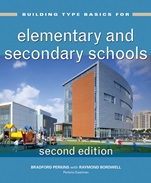
Building Type Basics for Elementary and Secondary Schools
ISBN 9780470225486
Autor: Perkins Eastman Architects
Wydawca: Wiley
Dostępność: 3-6 tygodni
Cena: 449,40 zł
Przed złożeniem zamówienia prosimy o kontakt mailowy celem potwierdzenia ceny.
ISBN13: |
9780470225486 |
ISBN10: |
0470225483 |
Autor: |
Perkins Eastman Architects |
Oprawa: |
Hardback |
Rok Wydania: |
2010-05-18 |
Numer Wydania: |
2nd Edition |
Ilość stron: |
352 |
Wymiary: |
244x209 |
Tematy: |
AM |
Essential information for the design of elementary and secondary schools Building Type Basics for Elementary and Secondary Schools, Second Edition is your one–stop reference for the essential information you need to confidently begin the design process and successfully complete the design for elementary and secondary schools, large or small, on time and within budget. Bradford Perkins shares his firsthand knowledge in order to guide architects, planners, engineers, and their clients through all aspects of the design of school facilities. This new edition is up–to–date with the latest developments in school design with a fresh look at technology’s influence in the classroom, along with current research that shows how school buildings can impact teaching and learning. Highly illustrated and filled with new school case studies with project photographs, diagrams, floor plans, sections, and details, this book combines in–depth coverage of the structural, mechanical, acoustic, traffic, and safety issues unique to schools, with the nuts–and–bolts design guidelines that will start any project off on the right track and keep it there through completion. This new edition offers: Numerous photographs, diagrams, plans, and sections An expanded and detailed guide for programming school facilities A new chapter on circulation and basic planning options New material on current trends in school planning and design A new chapter on sustainable design ideas An updated chapter on technology in schools An expanded discussion of international school design opportunities and issues This conveniently organized quick reference is an invaluable guide for busy, dedicated professionals who want to get moving quickly as they embark on a new project. Like every Building Type Basics book, it provides authoritative, up–to–date information instantly and saves professionals countless hours of research.
Preface ( John Czarnecki) . Acknowledgments. 1. Predesign. Introduction. The Learning Process. School Programming and Planning Guidelines. Early Childhood and Kindergarten. Elementary Schools. Middle Schools and High Schools. Special Schools. Future School Facility Spaces. 2. Circulation. Design Concepts. Building Configurations. 3. Design Concerns and Process. The Planning, Design, and Implementation Process. Common Problems and Cautions. Trends in School Planning and Design. Unique Design Concerns. 4. Site Planning. Urban Site Selection. Suburban Site Selection. Site Size. Site Circulation. Site Programming. Elementary School Play Areas. Security and Safety Concepts in Site and Building Design. Sustainable Site Design. 5. Codes. Life Safety. Space Standards. Appropriate Building Systems and Construction Practices. Public Policy. Fiscal and Anticorruption Controls. Land–Use Policy. Conclusion. 6. Sustainable Design Issues. Sustainable Sites. Water Efficiency. Energy Conservation. Building Envelope. Materials and Resources. Caveats. 7. Structural Systems. Building Life. Fire Safety. Seismic Considerations. Flexibility. Cost. Aesthetics. Long–Span Spaces. Prefabricated and Preengineered Structures. Foundations. Special Issues. 8. Mechanical Systems. General. Preschools and Kindergartens. Elementary Schools. Middle and Secondary Schools. 9. Electrical/Communications Systems. Reference Standards. Impact of Technology. Power Source. Emergency Power. Lighting Systems. Fire Safety. Communications. Space Requirements: Rules of Thumb. 10. Technology and Special Equipment. Technology’s Impact on Learning Space Design. 11. Materials. Introduction. Common Material Selections for Primary Spaces. Durability and Maintenance. Codes. Regional Issues. Environmental Considerations. Considerations in Material Selection for Schools. 12. Acoustic Control. Introduction. Definitions. Acoustical Performance: Materials and Spatial Proportions. Design Guides. Hearing Impairment and ADA Requirements. 13. Lighting Design. Introduction. Light Levels, Light Reflectance Values, and Glare. Electric Lighting Systems. Windows and Daylighting. Design Guides. 14. Interior Issues. Classrooms. General Use Space. Flexibility. Furnishings. Technology. Color and Light. Ergonomics. Security. Codes. 15. Wayfinding. 16. Renovation. Introduction. To Build New or to Renovate? 17. International Design Issues and Opportunities. Introduction. International Schools. Planning and Design Issues. 18. Operation and Maintenance. Introduction. New School Construction. Existing School Buildings. 19. Cost Issues. Introduction. Management. Relative Costs. Other Factors that Can Affect Costs. Value Engineering and Life–Cycle Cost Analysis. 20. Financing. Public School Financing. Private School Financing. Appendix A: Sample Space Program for an Elementary School, Grades PK–5. Appendix B: Sample Space Program for a Middle School, Grades 6–8. Appendix C: Sample Space Program for a High School, Grades 9–12. Bibliography and References. Index.
Bradford Perkins, FAIA, MRAIC, AICP , is the founder of Perkins Eastman, an international architectural, interior design, and planning firm based in New York with offices throughout North America and in Shanghai. He is also the author or coauthor of three other books published by Wiley: International Practice for Architects, Building Type Basics for Senior Living, and Architect’s Essentials of Starting, Assessing, and Transitioning a design Firm. RAYMOND C. BORDWELL, AIA, LEED AP, a principal of Perkins Eastman, is focused on the design of elementary and secondary schools.
Koszyk
Książek w koszyku: 0 szt.
Wartość zakupów: 0,00 zł
Informacje


Kontakt
Gambit
Centrum Oprogramowania
i Szkoleń Sp. z o.o.
Al. Pokoju 29b/22-24
31-564 Kraków
Siedziba Księgarni
ul. Kordylewskiego 1
31-542 Kraków
+48 12 410 5991
+48 12 410 5987
+48 12 410 5989
Subskrypcje
Administratorem danych osobowych jest firma Gambit COiS Sp. z o.o. Na podany adres będzie wysyłany wyłącznie biuletyn informacyjny.
Autoryzacja płatności

Informacje na temat autoryzacji płatności poprzez PayU.

© Copyright 2012: GAMBIT COiS Sp. z o.o. Wszelkie prawa zastrzeżone.
Projekt i wykonanie: Alchemia Studio Reklamy