


Wydawcy
Katalog tematyczny
- Archeologia (109)
- Ekonomia, finanse, business (13704)
- Filozofia (1445)
- Historia (3040)
- Języki i językoznawstwo (2356)
- Lifestyle, hobby i rozrywka (475)
- Medycyna (9704)
- Nauki humanistyczne (4)
- Nauki o Ziemi i środowisku (2638)
- Nauki ścisłe (20412)
- Nauki społeczne (8486)
- Edukacja (229)
- Kryminologia, opieka spełeczna (284)
- Obronność (10)
- Polityka (1389)
- Psychologia (777)
- Socjologia (410)
- Społeczeństwo i kultura (187)
- Nauki techniczne (13450)
- Prawo (1696)
- Publikacje informacyjne i interdyscyplinarne (1288)
- Religia i wierzenia (917)
- Technika komputerowa (4067)
- Zdrowie, relacje międzyludzkie i rozwój osobisty (657)





Informacje szczegółowe o książce
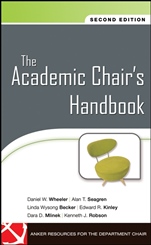
The Academic Chairs Handbook
ISBN 9780470197653
Autor: Daniel W. Wheeler, Alan T. Seagren, Linda Wysong Becker, Edward R. Kinley, Dara D. Mlinek, Kenneth
Wydawca: Wiley
Dostępność: 3-6 tygodni
Cena: 214,20 zł
Przed złożeniem zamówienia prosimy o kontakt mailowy celem potwierdzenia ceny.
ISBN13: |
9780470197653 |
ISBN10: |
047019765X |
Autor: |
Daniel W. Wheeler, Alan T. Seagren, Linda Wysong Becker, Edward R. Kinley, Dara D. Mlinek, Kenneth |
Oprawa: |
Hardback |
Rok Wydania: |
2008-03-31 |
Numer Wydania: |
2nd Edition |
Ilość stron: |
304 |
Wymiary: |
236x159 |
Tematy: |
JD |
The Academic Chair′s Handbook
Every aspiring, new, and experienced chairperson will benefit from this rich resource of many integrated and well–tested strategies that foster faculty development and their own development.
—Larry A. Braskamp, professor emeritus, Loyola University Chicago
This second edition of The Academic Chair′s Handbook provides an updated, comprehensive, and practical guide for academic department chairs and division heads at both two– and four–year institutions. This essential resource includes new material on a variety of topics such as technology, funding and resources, departmental climate and quality, assessment, and accreditation, and describes several strategies department chairs can use to build a positive work environment that fosters professional growth of both faculty and chairs. The book′s self–assessment inventory can help determine which strategy is most appropriate for a particular situation. While the strategies are upbeat, positive, and developmental, they clearly address the often harsh political realities involved in chairing academic departments.
Spis treści:
About the Authors.
Foreword.
Preface.
Part I • Fifteen Strategies in the Building Process.
1. Difficulties in the Building Process.
The Context for Leadership.
Chairing the Department.
The Nature of the Department.
The Nature of Faculty Work.
A Self–Assessment.
2. Consider Your Own Development.
Learn About Your Role and Responsibilities in the Department and the Institution.
Create a Balance Between Your Professional and Personal Lives.
Prepare for Your Professional Future.
3. Reflect on Your Role as an Academic Leader.
Establish a Collective Departmental Vision or Focus.
Develop Faculty Ownership of the Vision.
Initiate Changes Carefully.
Allocate Resources of Time, Information, and Assignments to
Implement the Vision and Departmental Goals.
Monitor Progress Toward Achieving the Vision and Goals.
4. Create a Positive Interpersonal Work Environment.
Establish an Open Atmosphere to Build Trust.
Listen to Faculty Needs and Interests.
Motivate Faculty and Collaboratively Set Goals.
Develop Leadership Skills that Empower Faculty and Provide Effective Feedback.
Feedback Techniques.
Represent Faculty to Colleagues and Senior Administrators.
Serve as a Role Model and Mentor.
Encourage and Support Faculty.
Part II • Applying the Strategies.
5. Help New Faculty Become Oriented.
Communicate Expectations for Performance.
Provide Feedback on Progress.
Enhance Collegial Review Processes.
Create Flexible Time Lines for Tenure.
Encourage Mentoring and Integration by Senior Faculty.
Extend Mentoring and Feedback to Graduate Students Who Aspire to be Faculty Members.
Recognize the Department Chair as a Career Sponsor.
Support Teaching, Particularly at the Undergraduate Level.
Support Scholarly Development.
Foster a Balance Between Professional and Personal Life.
6. Improve Faculty Teaching.
Promote Excellence in Teaching.
Support Teaching Improvement.
Address Teaching Problems.
Employ Case Studies to Guide Your Response to Teaching Problems.
7. Improve the Scholarship of Faculty.
Foster a Strong Research Climate.
Detect a Problem Situation as Early as Possible.
Clarify the Reasons for Lack of Performance.
Identify a Plan for Improvement.
Follow Up on the Plan.
8. Refocus Faculty Efforts.
Detect the Signs of Lack of Focus.
Explore Options with the Individual.
Mutually Design a Plan for Intervention.
Arrange for Activities, Resources, and Feedback.
9. Address Personal Issues of Faculty.
Differentiate Between Short– and Long–Term Issues.
Adopt Strategies for Temporary Problems.
Adopt Strat
egies for Intervening in Chronic Cases.
10. Employ Technology Wisely.
Be Aware of Technological Developments.
Encourage Faculty and Staff Technology Literacy.
Support Technology Training.
Use Technology Efficiently.
Use Technology to Facilitate Outcomes, Assessment, and Accountability.
Develop a Plan for Resource Allocation.
Adopt Emerging Technologies Prudently.
Consider the Impact on Student Services.
11. Adapt to Funding and Resources Challenges.
Clarify Responsibility for Budget Development and Allocation.
Recognize the Implications of Budget Pressures.
Diversify Funding Through Revenue Generation Strategies.
Capitalize on Changes in Staffing.
Maintain High Morale During Trying Times.
12. Foster a Culture of Continuous Improvement.
Make Continuous Improvement a Priority.
Devise Strategies and Resources to Support Quality Improvement Efforts.
Student Learning Assessment.
Teaching Effectiveness Assessment.
Program Effectiveness Assessment.
Encourage Support of Continuous Improvement Efforts.
Adopt Reliable Assessment Measures to Track Progress Over Time, Make Comparisons, and Demonstrate Results.
An Illustration of the Process.
13. Build an Agenda.
Four Dimensions of the Building Process.
Implementing the Agenda.
Conclusion.
Endnotes.
References.
Appendix A: The National Study and the Follow–Up Study.
Appendix B: Topical Index to Strategies.
Index.
Nota biograficzna:
Daniel W. Wheeler is professor and head of the Department of Agricultural Leadership, Education, and Communication at the University of Nebraska–Lincoln. Alan T. Seagren is professor emeritus and director of the Center for the Study of Higher and Postsecondary Education at the University of Nebraska–Lincoln. Linda Wysong Becker is vice president for student services at Union College in Lincoln, Nebraska. Edward R. Kinley is associate vice
president for academic affairs and chief information officer at Indiana State University. Dara D. Mlinek is a former research assistant and instructor in the Center for the Study of Higher and Postsecondary Education at the University of Nebraska–Lincoln and participated in the research efforts focused on chairs. Kenneth J. Robson has served as a department chair, dean, and vice president. He is currently engaged in a higher education consulting practice with his partner J. Judith Eifert.
Okładka tylna:
The Academic Chair′s Handbook
Every aspiring, new, and experienced chairperson will benefit from this rich resource of many integrated and well–tested strategies that foster faculty development and their own development.
—Larry A. Braskamp, professor emeritus, Loyola University Chicago
This second edition of The Academic Chair′s Handbook provides an updated, comprehensive, and practical guide for academic department chairs and division heads at both two– and four–year institutions. This essential resource includes new material on a variety of topics such as technology, funding and resources, departmental climate and quality, assessment, and accreditation, and describes several strategies department chairs can use to build a positive work environment that fosters professional growth of both faculty and chairs. The book′s self–assessment inventory can help determine which strategy is most appropriate for a particular situation. While the strategies are upbeat, positive, and developmental, they clearly address the often harsh political realities involved in chairing academic departments.
Koszyk
Książek w koszyku: 0 szt.
Wartość zakupów: 0,00 zł
Informacje


Kontakt
Gambit
Centrum Oprogramowania
i Szkoleń Sp. z o.o.
Al. Pokoju 29b/22-24
31-564 Kraków
Siedziba Księgarni
ul. Kordylewskiego 1
31-542 Kraków
+48 12 410 5991
+48 12 410 5987
+48 12 410 5989
Subskrypcje
Administratorem danych osobowych jest firma Gambit COiS Sp. z o.o. Na podany adres będzie wysyłany wyłącznie biuletyn informacyjny.
Autoryzacja płatności

Informacje na temat autoryzacji płatności poprzez PayU.

© Copyright 2012: GAMBIT COiS Sp. z o.o. Wszelkie prawa zastrzeżone.
Projekt i wykonanie: Alchemia Studio Reklamy