


Wydawcy
Katalog tematyczny
- Archeologia (109)
- Ekonomia, finanse, business (13704)
- Filozofia (1445)
- Historia (3040)
- Języki i językoznawstwo (2356)
- Lifestyle, hobby i rozrywka (475)
- Medycyna (9704)
- Nauki humanistyczne (4)
- Nauki o Ziemi i środowisku (2638)
- Nauki ścisłe (20412)
- Nauki społeczne (8486)
- Edukacja (229)
- Kryminologia, opieka spełeczna (284)
- Obronność (10)
- Polityka (1389)
- Psychologia (777)
- Socjologia (410)
- Społeczeństwo i kultura (187)
- Nauki techniczne (13450)
- Prawo (1696)
- Publikacje informacyjne i interdyscyplinarne (1288)
- Religia i wierzenia (917)
- Technika komputerowa (4067)
- Zdrowie, relacje międzyludzkie i rozwój osobisty (657)





Informacje szczegółowe o książce
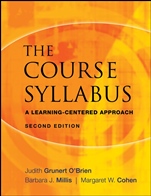
The Course Syllabus: A Learning–Centered Approach
ISBN 9780470197615
Autor: Judith Grunert OBrien, Barbara J. Millis, Margaret W. Cohen, Robert M. Diamond
Wydawca: Wiley
Dostępność: 3-6 tygodni
Cena: 168,00 zł
Przed złożeniem zamówienia prosimy o kontakt mailowy celem potwierdzenia ceny.
ISBN13: |
9780470197615 |
ISBN10: |
0470197617 |
Autor: |
Judith Grunert OBrien, Barbara J. Millis, Margaret W. Cohen, Robert M. Diamond |
Oprawa: |
Paperback |
Rok Wydania: |
2008-04-29 |
Numer Wydania: |
2nd Edition |
Ilość stron: |
160 |
Wymiary: |
278x221 |
Tematy: |
JD |
Creating a well–crafted syllabus is the first step in helping students understand the goals of a course, their responsibilities, and the criteria that will be used to evaluate their performance.
When it was first published in 1997, The Course Syllabus became the gold standard reference for both new and experienced college faculty. Like the first edition, this book is based on a learner–centered approach. Because faculty members are now deeply committed to engaging students in learning, the syllabus has evolved into a useful, if lengthy, document. Today′s syllabus provides details about course objectives, requirements and expectations, and also includes information about teaching philosophies, specific activities and the rationale for their use, and tools essential to student success.
This new and thoroughly revised edition places the syllabus within the context of (1) today′s students, including "millennials" and nontraditionals; (2) current and emerging campus technologies which offer, among other innovations, course management systems for online and hybrid delivery; and (3) contemporary faculty goals to nurture lifelong learners, teach students how to learn, assess learning outcomes, and prepare students for a changing workplace. In addition, The Course Syllabus includes:
Updated research literature on faculty development and higher education
A revised resource list and bibliography
A new selection of syllabus excerpts from campuses across the nation representing a range of disciplines from a variety of institutions
The book′s examples illustrate topics faculty are including in learning–centered syllabi such as civility, academic honesty, safety, and tools to support successful learning.
"I can′t imagine a book more deserving of a second edition. And, I can′t imagine a second edition better than the first, but this one is, thanks to the able efforts of the two new aut
hors."
—Maryellen Weimer, professor emeritus, Penn State and editor, The Teaching Professor
Spis treści:
Foreword.
Preface.
Acknowledgments.
The Authors.
PART I: FOCUS ON LEARNING.
Preparing Students.
Setting a Framework for Knowledge.
Planning Your Learning–Centered Syllabus: An Overview of the Process.
Composing a Learning–Centered Syllabus.
Using a Learning–Centered Syllabus.
PART II: EXAMPLES.
Checklist.
Table of Contents.
Instructor Information.
Student Information Form.
Letter to the Students or Teaching Philosophy Statement.
Purpose of the Course.
Course Description.
Course Objectives.
Readings.
Resources.
Course Calendar.
Course Requirements.
Policies and Expectations: Attendance, Late Papers, Missed Tests, Class Behaviors, and Civility.
Policies and Expectations: Academic Honesty, Disability Access, and Safety.
Evaluation.
Grading Procedures.
How to Succeed in This Course: Tools for Study and Learning.
Checklist.
PART III: SUGGESTED READINGS.
General Teaching.
Active Learning.
Assessment and Evaluation.
Cooperative and Collaborative Learning.
Course and Curriculum Design.
Critical Thinking.
Information Technology.
Learning and Motivation.
Student Differences.
Online Resources.
Teaching Portfolios.
References.
Index.
Nota biograficzna:
Judith Grunert O′Brien has retired from her work at Syracuse University to focus on sculpture, drawing, and writing. She was a member of the School of Art faculty, College of Visual and Performing Arts, Syracuse University, when she wrote the first edition of a Learning–Centered Syllabus in 1997.
Barbara J. Millis is director of the Excellence in Teaching Program at the University of Nevada–Reno.
Margaret W. Cohen is director and associate provost for professional d
evelopment at the University of Missouri–St. Louis.
Okładka tylna:
Creating a well–crafted syllabus is the first step in helping students understand the goals of a course, their responsibilities, and the criteria that will be used to evaluate their performance.
When it was first published in 1997, The Course Syllabus became the gold standard reference for both new and experienced college faculty. Like the first edition, this book is based on a learner–centered approach. Because faculty members are now deeply committed to engaging students in learning, the syllabus has evolved into a useful, if lengthy, document. Today′s syllabus provides details about course objectives, requirements and expectations, and also includes information about teaching philosophies, specific activities and the rationale for their use, and tools essential to student success.
This new and thoroughly revised edition places the syllabus within the context of (1) today′s students, including "millennials" and nontraditionals; (2) current and emerging campus technologies which offer, among other innovations, course management systems for online and hybrid delivery; and (3) contemporary faculty goals to nurture lifelong learners, teach students how to learn, assess learning outcomes, and prepare students for a changing workplace. In addition, The Course Syllabus includes:
Updated research literature on faculty development and higher education
A revised resource list and bibliography
A new selection of syllabus excerpts from campuses across the nation representing a range of disciplines from a variety of institutions
The book′s examples illustrate topics faculty are including in learning–centered syllabi such as civility, academic honesty, safety, and tools to support successful learning.
"I can′t imagine a book more deserving of a second edition. And, I can′t imagine a secon
d edition better than the first, but this one is, thanks to the able efforts of the two new authors."
—Maryellen Weimer, professor emeritus, Penn State and editor, The Teaching Professor
Koszyk
Książek w koszyku: 0 szt.
Wartość zakupów: 0,00 zł
Informacje


Kontakt
Gambit
Centrum Oprogramowania
i Szkoleń Sp. z o.o.
Al. Pokoju 29b/22-24
31-564 Kraków
Siedziba Księgarni
ul. Kordylewskiego 1
31-542 Kraków
+48 12 410 5991
+48 12 410 5987
+48 12 410 5989
Subskrypcje
Administratorem danych osobowych jest firma Gambit COiS Sp. z o.o. Na podany adres będzie wysyłany wyłącznie biuletyn informacyjny.
Autoryzacja płatności

Informacje na temat autoryzacji płatności poprzez PayU.

© Copyright 2012: GAMBIT COiS Sp. z o.o. Wszelkie prawa zastrzeżone.
Projekt i wykonanie: Alchemia Studio Reklamy