


Wydawcy
Katalog tematyczny
- Archeologia (109)
- Ekonomia, finanse, business (13704)
- Filozofia (1445)
- Historia (3040)
- Języki i językoznawstwo (2356)
- Lifestyle, hobby i rozrywka (475)
- Medycyna (9704)
- Nauki humanistyczne (4)
- Nauki o Ziemi i środowisku (2638)
- Nauki ścisłe (20412)
- Nauki społeczne (8486)
- Nauki techniczne (13450)
- Prawo (1696)
- Publikacje informacyjne i interdyscyplinarne (1288)
- Religia i wierzenia (917)
- Technika komputerowa (4067)
- Zdrowie, relacje międzyludzkie i rozwój osobisty (657)





Informacje szczegółowe o książce
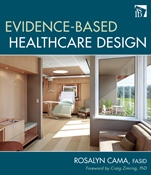
Evidence–Based Healthcare Design
ISBN 9780470149423
Autor: Rosalyn Cama
Wydawca: Wiley
Dostępność: 3-6 tygodni
Cena: 449,40 zł
Przed złożeniem zamówienia prosimy o kontakt mailowy celem potwierdzenia ceny.
ISBN13: |
9780470149423 |
ISBN10: |
0470149426 |
Autor: |
Rosalyn Cama |
Oprawa: |
Hardback |
Rok Wydania: |
2009-03-27 |
Ilość stron: |
272 |
Wymiary: |
244x198 |
Tematy: |
AM |
A research–based design method for healthcare facilities
Evidence–based design enables interior designers, architects, and their clients to optimize design decisions via a process of gathering, evaluating, and applying current best evidence from research and practice. Written by an expert practitioner and endorsed by the American Society of Interior Designers, this book guides readers through a four–step, cross–disciplinary design methodology that fosters healing, quality performance, and safety in the design of the healthcare environment:
Step 1, "Gather Qualitative and Quantitative Intelligence," outlines how an evidence–based practice team is organized and gathers, interprets, and applies data
Step 2, "Mapping Strategic, Cultural, and Research Goals," suggests steps that identify the right project drivers needed to inform an accountable design process
Step 3, "Hypothesize Outcomes, Innovate, and Implement Translational Design Research," discusses how to bring clarity, specificity, and focus to a design research study, particularly when the design is innovative
Step 4, "Measure and Share Outcomes," addresses the measurement and sharing of a project′s lessons
Responding to the growing need among hospitals for evidence–based design solutions, this four–step process will provide a valuable blueprint for healthcare design that directly impacts healthy outcomes.
In addition, case studies showcase nine of the best contemporary healthcare facilities designed based on sound evidence, including Massachusetts General Ambulatory Practice of the Future, Boston; Weill Cornell Medical College/Weill Greenberg Center, New York City; Dublin Methodist Hospital, OhioHealth, Dublin, Ohio; and PeaceHealth′s Sacred Heart Medical Center at RiverBend, Springfield, Oregon.
Evidence–Based Healthcare Design is indispensable for use at the start of a healthcare project, giving interior designers, architects, and facility managers an evidence–based framework that fosters innovation, inspires collaboration, and promotes health.
Dedication.
Foreword by Roger Ulrich, Ph.D.
Acknowledgements.
Introduction: The Long View.
PART I: DRIVERS FOR CHANGE.
Chapter 1: Understanding the Shift Toward Evidence Based Design in Healthcare.
Evidence–based Design.
Four Components of an Evidence–based Design Process.
Levels of Evidence–based Practice.
Empowering an Interdisciplinary Team.
Herbert Essay: Holding to a Clear Vision.
Drivers for Change in the Healthcare Design Process.
Morrison Essay: Futurist s Forecast.
Drivers for Change in the Design Professions.
Building a Body of Knowledge.
Checklist.
PART II: EVIDENCE–BASED DESIGN METHODOLOGY.
Chapter 2: Step 1: Gather Qualitative and Quantitative Intelligence.
Build an Interdisciplinary Team.
Conduct Investigations.
Malone Essay: Listening to Patients / Families: A guide to getting started.
Meilink, Thomas Essay: Weill Cornell Medical College / Weill Greenberg Center.
Benchmark against National Initiatives.
Document Process.
Checklist.
Chapter 3: Step 2: Mapping Strategic, Cultural and Research Goals.
Positioning a Project Toward Greatness.
Defining Project Drivers / Improved Outcomes.
The Art of Mapping a Vision.
IDEO Essay, Patient–Care Delivery Model.
Establish a Research Agenda.
Zimring Essay: OhioHealth Dublin Hospital Preliminary Research Ideas Preliminary Report.
Checklist.
Chapter 4: Step 3: Hypothesize Outcomes, Innovate and Translational Design.
Hypothesize Outcomes .
Watkins, Lawless Essay: Comprehensive Healthcare requires Comprehensive Evidence–based Design.
Design for Improvement: Dare to Innovate.
Haggarty, Starling, Mertens Essay: Changing the Cancer treatment Experience.
Build Mock–ups: Translational design.
Share the Process.
Checklist.
Chapter 5: Step 4: Measure and Share Outcomes.
Measure Outcomes.
Joseph, Keller Essay: The Role of the Researcher in the Design Process.
Survey Results from HKS, Ellerbe Becket and Kahler Slater.
Build Business Case.
Sadler Essay: Why Evidence–Based Design makes Good Business Sense.
Share Professionally.
Calkins Essay: What We Know: Evidence–Based Design in Long Term Care Settings.
Submit for Peer Review.
Hamilton Essay: Research and Competitive Advantage.
Checklist.
Chapter 6: Evidence–based Design in Practice.
A Look into an Evidence–based Practice that Recognizes the Need for Research That Improves Clinical Outcomes .
Parker Essay: Why has Anshen + Allen Embraced Evidence–based Design?.
Rostenberg Essay : Cultivating a Culture of Inquisitiveness: Integrating Evidence–based Design knowledge into a Design Practice at Anshen + Allen.
Color Photo Inserts.
Patient–Centered, Family Focused, Staff Supportive.
Hand Washing.
Reduction of Falls.
Like–handed Rooms.
Staff Efficiency.
Connection to Nature.
Daylighting.
Positive Distractions or Resource Centers.
Culture.
Sustainable.
Cooperative and Long Term Care.
Ambulatory Care.
Children s Hospitals.
PART III: NEXUS.
Chapter 7: Growth Opportunities for the Design Professional.
Next Frontiers.
Future of Education & Practice.
Guerin Essay: Embracing an Evidence–based Design Approach in Education and Practice .
Berens: Essay: ASID, Design Research & the Future of Interior Design.
Future Certification.
Salvatore Essay: The Evidence–based Design Assessment and Certification Program (EDAC).
What Comes After What Comes Next.
Levin Essay: The Future of Evidence–based Design.
Index.
Rosalyn Cama, FASID, is the president and principal designer of the evidence–based planning and interior design firm CAMA Incorporated in New Haven, Connecticut. CAMA Inc. was founded in 1983 and has completed many award–winning projects nationwide, including Yale–New Haven Hospital, New Haven, Connecticut; and Amer–ican Cancer Center Headquart–ers and Hope Lodge in New York City. A frequent writer and speaker on the topic of evidence–based healthcare design, Ms. Cama was the 1998 national president of The American So–ciety of Interior Designers and currently serves as chair of the board for The Center for Health Design.
"in the past 12 months, we′ve seen new books on evidence–based design hit the shelves. The latest is the great new reference titled Evidence–Based Healthcare Design. Cama′s book is a step–by–step guide of how to implement an evidence –based design process. This book is an easy read with lots of good information and resources – another "must have" addition to the evidence–based practitioner′s library." ( The Center for Health Design Blog, 5/28/09)
Koszyk
Książek w koszyku: 0 szt.
Wartość zakupów: 0,00 zł
Informacje


Kontakt
Gambit
Centrum Oprogramowania
i Szkoleń Sp. z o.o.
Al. Pokoju 29b/22-24
31-564 Kraków
Siedziba Księgarni
ul. Kordylewskiego 1
31-542 Kraków
+48 12 410 5991
+48 12 410 5987
+48 12 410 5989
Subskrypcje
Administratorem danych osobowych jest firma Gambit COiS Sp. z o.o. Na podany adres będzie wysyłany wyłącznie biuletyn informacyjny.
Autoryzacja płatności

Informacje na temat autoryzacji płatności poprzez PayU.

© Copyright 2012: GAMBIT COiS Sp. z o.o. Wszelkie prawa zastrzeżone.
Projekt i wykonanie: Alchemia Studio Reklamy