


Wydawcy
Katalog tematyczny
- Archeologia (109)
- Ekonomia, finanse, business (13704)
- Filozofia (1445)
- Historia (3040)
- Języki i językoznawstwo (2356)
- Lifestyle, hobby i rozrywka (475)
- Medycyna (9704)
- Nauki humanistyczne (4)
- Nauki o Ziemi i środowisku (2638)
- Nauki ścisłe (20412)
- Astronomia (294)
- Biologia (5119)
- Chemia (6540)
- Chemia analityczna (361)
- Chemia fizyczna (346)
- Chemia nieorganiczna (137)
- Chemia organiczna (535)
- Krystalografia (27)
- Minerologia (46)
- Fizyka (3309)
- Matematyka (4574)
- Nauki ścisłe, ogólnie (503)
- Nauki społeczne (8486)
- Nauki techniczne (13450)
- Prawo (1696)
- Publikacje informacyjne i interdyscyplinarne (1288)
- Religia i wierzenia (917)
- Technika komputerowa (4067)
- Zdrowie, relacje międzyludzkie i rozwój osobisty (657)





Informacje szczegółowe o książce
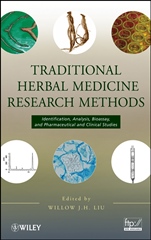
Traditional Herbal Medicine Research Methods: Identification, Analysis, Bioassay, and Pharmaceutical and Clinical Studies
ISBN 9780470149362
Autor: Willow J.H. Liu
Wydawca: Wiley
Dostępność: 3-6 tygodni
Cena: 741,30 zł
Przed złożeniem zamówienia prosimy o kontakt mailowy celem potwierdzenia ceny.
ISBN13: |
9780470149362 |
ISBN10: |
0470149361 |
Autor: |
Willow J.H. Liu |
Oprawa: |
Hardback |
Rok Wydania: |
2011-01-28 |
Ilość stron: |
488 |
Wymiary: |
237x166 |
Tematy: |
PN |
A comprehensive review of all aspects of herbal research and development
In recent years, more people in Western and developed countries have shown increased concern about the side effects of synthetic drugs and are turning to natural therapies, including herbal products. To meet this growing demand and effectively use natural products and herbal medicines, medicinal chemists and researchers need to understand chemistry, biochemistry, biology, pharmacology, and clinical science. Traditional Herbal Medicine Research Methods covers the methodology for collecting and identifying herbal materials, extracting and isolating compounds from herbs, in vitro bioassay, in vivo animal test, toxicology, and clinical trials.
Serving as a bridge between different fields with basic information and insights on the progress of herbal study, the book introduces the basic content and methodology of each field and the keys for the study of herbal medicine, as well as tips for correctly and effectively designing and performing a study on herbs. In addition, the book:Helps medicinal chemists and natural products researchers understandthe chemistry, biochemistry, biology, pharmacology, and clinical science of herbal medicinesCovers methods and techniques for herbal identification, chemicalisolation and analysis, bioassays, and the pharmacological aspects of herb–derived natural productsProvides information on the mechanisms, concepts, and methods for the study of traditional medicinal herbs
With helpful figures, tables, references, and an associated website, this book will serve as a guideline for new scientists and help them explore, with modern technologies, new secrets in the treasury of traditional medicines.
Spis treści:
Preface.
Contributors.
Abbreviations.
1. Introduction to Traditional Herbal Medicines and Their Study (Willow J.H. Liu).
1.1 Defi nition and Tr
ends of Traditional Herbal Medicines.
1.2 Research and Development of Herbal Medicines.
1.3 Common Mistakes Seen in Research on Traditional Herbal Medicines.
1.4 Research on Traditional Herbs Should Refer to Theories and Clinical Application of Traditional Medicine.
1.5 Brief Introduction of Different Systems of Traditional Medicine.
1.6 Regulation of Herbal Medicines and Their Products.
1.7 Achievements and Challenges of Research on Chinese Herbal Medicines.
References.
2. Collection and Identifi cation of Raw Herbal Materials (Ping Li, Ling Yi, and Hui–Juan Liu).
2.1 Collection of Herbal Materials.
2.2 Methods for Species Identifi cation of Herbal Materials.
References.
3. Extraction and Isolation of Compounds from Herbal Medicines (Hong–Wei Liu).
3.1 Compounds in Plants and Their Structures and Properties.
3.2 Methods for Extraction of Herbal Medicines.
3.3 Methods for Isolation of Compounds from Herbal Extracts.
3.4 An Example of Extraction and Compound Isolation from Herbal Medicine.
References.
4. Identifi cation and Structure Elucidation of Compounds from Herbal Medicines (Xin–miao Liang, Yu Jin, Jia–tao Feng, and Yan–xiong Ke).
4.1 Structural Characteristics and Chemical Identification of Compounds in Herbal Medicines.
4.2 Brief Introduction of UV, IR, NMR, MS, and other Spectra.
4.3 Identifi cation of Compounds by HPLC and TLC.
4.4 Identifi cation of Compounds By Spectra.
4.5 Structure Elucidation of Unknown Compounds by Hyphenated Technique.
References.
5. Bioassays for Screening and Functional Elucidation of Herbal Medicines (Willow J.H. Liu).
5.1 History of Screening Compounds from Natural Products for Drug Development.
5.2 Brief Introduction of Enzymes, Receptors, Cells, and Gene Expression.
5.3 Selection of Bioassay.
5.4 Evaluation of Bioassay Results of Herbal Samples.
5.5 Enzy
me Binding Assay.
5.6 Receptor Binding Assay.
5.7 Gene Expression Assays.
5.8 New Technologies and other Bioassays for Screening and Mechanism Study.
5.9 Keys to Functional Mechanism Study of Herbal Medicines.
5.10 Example 1. Screening and Evaluation of Estrogenic Activity of Herbal Medicines.
5.11 Example 2. Functional Elucidation of Black Cohosh for Menopause Symptoms.
References.
6. Functional Evaluation of Herbal Medicines by Animal Experiments (Chun–fu Wu, Fang Wang, and Chun–li Li).
6.1 Purposes and Signifi cance of Pharmacological Research for Herbal Medicines.
6.2 Characteristics of Pharmacological Research of Herbal Medicines.
6.3 Design of Pharmacological Study on Herbal Medicines.
6.4 Examples of In Vivo Experiments for Herbal Extracts.
References.
7. Safety Pharmacology and Toxicity Study of Herbal Medicines (Jing–yu Yang and Li–hui Wang).
7.1 Safety Pharmacology.
7.2 Acute Toxicity Study.
7.3 Chronic Toxicity Study.
7.4 Special Toxicity Study.
7.5 Examples of In Vivo Toxicological Experiments for Compounds or Extracts from Herbal Medicines.
References.
8. Clinical Study of Traditional Herbal Medicine (Hong Yuan, Guo–ping Yang, and Zhi–jun Huang).
8.1 Introduction to Clinical Trials and Challenge of Clinical Trials on Herbal Medicines.
8.2 Essential Elements and Principles of Clinical Trial Design.
8.3 Design of Clinical Trials.
8.4 Examples of Clinical Trials.
References.
9. Standardization and Quality Control of Herbal Extracts and Products (Jian–guo Zeng, Man–liang Tan, Xuan Peng, and Qi Luo).
9.1 Introduction of QA, QC, and GMP.
9.2 Standardizations and SOP of Herbal Extracts.
9.3 Equipment for Quality Control of Herbal Extracts and Products.
9.4 Qualitative Analysis of Herbal Extracts and Products.
9.5 Quantitative Analysis of Herbal
Extracts and Products.
References.
10. Understanding Traditional Chinese Medicine and Chinese Herbs (Willow J.H. Liu).
10.1 Understanding TCM Theories with Modern Medical Terminology.
10.2 Chemicals are Fundamental Substances Refl ecting Functions of Chinese Herbs.
10.3 Brief Introduction to the Properties of Chinese Herbs.
10.4 Modern Pharmacology of Chinese Herbal Medicine.
10.5 Chinese Herbal Formulas.
References.
Index.
Nota biograficzna:
Willow J. H. Liu is the owner of 21st Century Herbs & Health, Inc. Dr. Liu has been working on traditional Chinese herbs and Western herbal medicines for twenty–five years. She has research experience on herbs using the methodologies of modern chemistry, biology, and pharmacology in China, Germany, and the United States. Dr. Liu has also worked in both product development and clinical application of herbal medicines. Her papers on isolation and identification, chemical analysis, bioassay screening, animal studies, and studies of the mechanisms of herbal medicines have been published in different international journals.
Okładka tylna:
A comprehensive review of all aspects of herbal research and development
In recent years, more people in Western and developed countries have shown increased concern about the side effects of synthetic drugs and are turning to natural therapies, including herbal products. To meet this growing demand and effectively use natural products and herbal medicines, medicinal chemists and researchers need to understand chemistry, biochemistry, biology, pharmacology, and clinical science. Traditional Herbal Medicine Research Methods covers the methodology for collecting and identifying herbal materials, extracting and isolating compounds from herbs, in vitro bioassay, in vivo animal test, toxicology, and clinical trials.
Serving as a bridge between different fields with basic information and insig
hts on the progress of herbal study, the book introduces the basic content and methodology of each field and the keys for the study of herbal medicine, as well as tips for correctly and effectively designing and performing a study on herbs. In addition, the book:Helps medicinal chemists and natural products researchers understandthe chemistry, biochemistry, biology, pharmacology, and clinical science of herbal medicinesCovers methods and techniques for herbal identification, chemicalisolation and analysis, bioassays, and the pharmacological aspects of herb–derived natural productsProvides information on the mechanisms, concepts, and methods for the study of traditional medicinal herbs
With helpful figures, tables, references, and an associated website, this book will serve as a guideline for new scientists and help them explore, with modern technologies, new secrets in the treasury of traditional medicines.
Koszyk
Książek w koszyku: 0 szt.
Wartość zakupów: 0,00 zł
Informacje


Kontakt
Gambit
Centrum Oprogramowania
i Szkoleń Sp. z o.o.
Al. Pokoju 29b/22-24
31-564 Kraków
Siedziba Księgarni
ul. Kordylewskiego 1
31-542 Kraków
+48 12 410 5991
+48 12 410 5987
+48 12 410 5989
Subskrypcje
Administratorem danych osobowych jest firma Gambit COiS Sp. z o.o. Na podany adres będzie wysyłany wyłącznie biuletyn informacyjny.
Autoryzacja płatności

Informacje na temat autoryzacji płatności poprzez PayU.

© Copyright 2012: GAMBIT COiS Sp. z o.o. Wszelkie prawa zastrzeżone.
Projekt i wykonanie: Alchemia Studio Reklamy