


Wydawcy
Katalog tematyczny
- Archeologia (109)
- Ekonomia, finanse, business (13704)
- Filozofia (1445)
- Historia (3040)
- Języki i językoznawstwo (2356)
- Lifestyle, hobby i rozrywka (475)
- Medycyna (9704)
- Nauki humanistyczne (4)
- Nauki o Ziemi i środowisku (2638)
- Nauki ścisłe (20412)
- Astronomia (294)
- Biologia (5119)
- Chemia (6540)
- Chemia analityczna (361)
- Chemia fizyczna (346)
- Chemia nieorganiczna (137)
- Chemia organiczna (535)
- Krystalografia (27)
- Minerologia (46)
- Fizyka (3309)
- Matematyka (4574)
- Nauki ścisłe, ogólnie (503)
- Nauki społeczne (8486)
- Nauki techniczne (13450)
- Prawo (1696)
- Publikacje informacyjne i interdyscyplinarne (1288)
- Religia i wierzenia (917)
- Technika komputerowa (4067)
- Zdrowie, relacje międzyludzkie i rozwój osobisty (657)





Informacje szczegółowe o książce
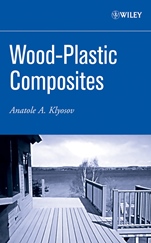
Wood–Plastic Composites
ISBN 9780470148914
Autor: Anatole A. Klyosov
Wydawca: Wiley
Dostępność: 3-6 tygodni
Cena: 1 125,60 zł
Przed złożeniem zamówienia prosimy o kontakt mailowy celem potwierdzenia ceny.
ISBN13: |
9780470148914 |
ISBN10: |
0470148918 |
Autor: |
Anatole A. Klyosov |
Oprawa: |
Hardback |
Rok Wydania: |
2007-09-18 |
Ilość stron: |
728 |
Wymiary: |
229x164 |
Tematy: |
PN |
A comprehensive, practical guide to wood–plastic composites and their properties
This is the first book that presents an overview of the main principles underlying the composition of wood–plastic composite (WPC) materials and their performance in the real world. Focusing on the characteristics of WPC materials rather than their manufacture, this guide bridges the gap between laboratory–based research and testing and the properties WPC materials exhibit when they′re used in decks, railing systems, fences, and other common applications. Complete with practical examples and case studies, this guide:
Describes compositions of WPC materials, including thermoplastics, cellulose fiber, minerals, additives, and their properties
Covers mechanical properties, microbial resistance, water absorption, flammability, slip resistance, thermal expansion–contraction, sensitivity to oxidation and solar radiation, and rheological properties of hot melts of WPC
Covers subjects that determine esthetics, properties, performance, and durability of wood–plastic composite products
Includes comparisons of different ASTM methods and procedures that apply to specific properties
This is a comprehensive, hands–on reference for scientists, engineers, and researchers working with wood–plastic composites in plastics and polymers, materials science, microbiology, rheology, plastic technology, and chemical engineering, as well as an outstanding text for graduate students in these disciplines. It′s also an excellent resource for suppliers and WPC manufacturers, and an accessible guide for developers, homebuilders, and landscape architects who want to know more about wood–plastic composites and their performance in the real world.
Spis treści:
Preface.
1. Foreword–Overview Wood–Plastic Composites.
WPC, pricing restrictions.
WPC
, brands and manufacturers.
Flexural strength.
Flexural modulus, deflection.
Deck boards.
Stair treads.
Thermal expansion–contraction.
Shrinkage.
Slip resistance.
Water absorption, swell, buckling.
Microbial degradation.
Termite resistance.
Flammability.
Oxidation and crumbling.
Photo–oxidation and fading.
Wood–plastic composites – products, trends, market size and dynamics, and unsolved (or only partially solved) problems.
WPC products.
The public view, perception.
WPC market size and dynamics.
Competition on the WPC market.
Unsolved (or only partially solved) R&D problems.
Examples of wood–plastic composite deck boards.
References.
2. Composition of wood–plastic composites: thermoplastics.
Introduction.
Polyethylene.
Polypropylene.
Polyvinyl Chloride.
Acrylonitrile–Butadiene–Styrene copolymer (ABS).
Nylon 6 and other polyamides.
Conclusion.
Addendum: ASTM tests covering definitions of technical terms and their contractions used in plastic industry and specifications of plastics.
References.
3. Composition of wood–plastic composites: cellulose and lignocellulose fillers.
Introduction.
A brief history of cellulose fillers in WPC in U.S. patents.
Beginning of WPC. Thermosetting materials.
Cellulose as a reinforcing ingredient in thermoplastic compositions.
Improving mechanical and other properties of WPC.
Improving the compatibility of the fillers with the polymeric matrix. Coupling agents.
Plastics beyond HDPE in wood–plastic composite materials.
Cellulose–polyolefin composite pellets.
Foamed wood–plastic composites.
Biodegradable wood–plastic composites.
General properties of lignocellulosic fiber as fillers.
Chemical composition.
Detrimental effect of lignin.
Detrimental effect of hemicellulosics. Steam explosion.
Aspect
ratio.
Density (specific gravity).
Particle size.
Particle shape.
Particle size distribution.
Particle surface area.
Moisture content, the ability to absorb water.
The ability of filler to absorb oil.
Flammability.
Effect on mechanical properties of the composite material.
Effect on fading and durability of plastics and composites.
Effect on hot melt viscosity.
Effect on mold shrinkage.
Wood fiber.
Wood flour.
Saw dust.
Rice hulls.
VOC from rice hulls.
Long natural fiber.
Papermaking sludge.
Biodac.
VOC from Biodac.
Rice hulls and Biodac as antioxidants in WPC.
References (other than patents).
References (patents).
4. Composition of wood–plastic composites: mineral fillers.
Introduction.
General properties of mineral fillers.
Chemical composition.
Aspect ratio.
Density (specific gravity).
Particle size.
Particle shape.
Particle size distribution.
Particle surface area.
Moisture content, the ability to absorb water.
The ability to absorb oil.
Flame retardant properties.
Effect on mechanical properties of the composite material.
Effect on hot melt viscosity.
Effect on mold shrinkage.
Thermal properties.
Color, optical properties.
Effect on fading and durability of plastics and composites.
Health and safety.
Fillers.
Calcium carbonate.
Talc.
Biodac (a blend of cellulose and mineral fillers).
Silica.
Kaolin clay.
Mica.
Wollastonite.
Glass fibers.
Fly ash.
Carbon black.
Nanofillers and nanocomposites.
Conclusions.
References.
5. Composition of wood–plastic composites: coupling agents.
Introduction.
A brief overview of the chapter.
Maleated polyolefins.
Organosilanes.
MetablenTM A3000.
Other coupling agents.
Effect of coupling agents on mechanical properties of wood–plastic composites: experimental data.
Mechanisms of cross–linking, cou
pling and/or compatibilizing effects.
Spectroscopic studies.
Rheological studies.
Kinetic studies.
Other considerations.
Effect of coupling agents on WPC properties: a summary.
Effect on flexural and tensile modulus.
Effect on flexural and tensile strength.
Effect on water absorption.
Lubricants, compatible and not compatible with coupling agents.
References.
6. Density (specific gravity) of wood–plastic composites and its effect on WPC properties.
Introduction.
Effect of density (specific gravity) of WPC.
Effect on flexural strength and modulus.
Effect on oxidation and degradation.
Effect on flammability, ignition, flame spread.
Effect on moisture content and water absorption.
Effect on microbial contamination/degradation.
Effect on shrinkage.
Effect on the coefficient of friction (the slip coefficient).
Density of cross–sectional areas of hollow profiles of GeoDeck WPC boards.
Densities and weight of some commercial wood–plastic deck boards.
Determination of density of wood–plastic composites using a sink/float method.
ASTM tests recommended for determination of the specific gravity (density).
ASTM D 1505 “Standard test method for density of plastics by the density–gradient technique”.
ASTM D 1622 “Standard test method for apparent density of rigid cellular plastics”.
ASTM D 1895 “Standard test methods for apparent density, bulk factor, and pourability of plastic materials”.
References.
7. Flexural strength (MOR) and flexural modulus (MOE) of composite materials and profiles.
Introduction.
Basic definitions and equations.
ASTM recommendations.
Flexural strength of composite deck boards.
Flexural modulus of composite deck boards.
Flexural modulus of neat HDPE and other plastics, and comparisons with that for wood–plastic composites.
A deck board used as a stair tread: a cri
Koszyk
Książek w koszyku: 0 szt.
Wartość zakupów: 0,00 zł
Informacje


Kontakt
Gambit
Centrum Oprogramowania
i Szkoleń Sp. z o.o.
Al. Pokoju 29b/22-24
31-564 Kraków
Siedziba Księgarni
ul. Kordylewskiego 1
31-542 Kraków
+48 12 410 5991
+48 12 410 5987
+48 12 410 5989
Subskrypcje
Administratorem danych osobowych jest firma Gambit COiS Sp. z o.o. Na podany adres będzie wysyłany wyłącznie biuletyn informacyjny.
Autoryzacja płatności

Informacje na temat autoryzacji płatności poprzez PayU.

© Copyright 2012: GAMBIT COiS Sp. z o.o. Wszelkie prawa zastrzeżone.
Projekt i wykonanie: Alchemia Studio Reklamy