


Wydawcy
Katalog tematyczny
- Archeologia (109)
- Ekonomia, finanse, business (13704)
- Filozofia (1445)
- Historia (3040)
- Języki i językoznawstwo (2356)
- Lifestyle, hobby i rozrywka (475)
- Medycyna (9704)
- Nauki humanistyczne (4)
- Nauki o Ziemi i środowisku (2638)
- Nauki ścisłe (20412)
- Nauki społeczne (8486)
- Nauki techniczne (13450)
- Prawo (1696)
- Publikacje informacyjne i interdyscyplinarne (1288)
- Religia i wierzenia (917)
- Technika komputerowa (4067)
- Zdrowie, relacje międzyludzkie i rozwój osobisty (657)





Informacje szczegółowe o książce
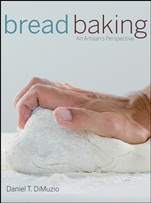
Bread Baking: An Artisans Perspective
ISBN 9780470138823
Autor: Daniel T. DiMuzio
Wydawca: Wiley
Dostępność: 3-6 tygodni
Cena: 267,75 zł
Przed złożeniem zamówienia prosimy o kontakt mailowy celem potwierdzenia ceny.
ISBN13: |
9780470138823 |
ISBN10: |
0470138823 |
Autor: |
Daniel T. DiMuzio |
Oprawa: |
Hardback |
Rok Wydania: |
2009-02-27 |
Ilość stron: |
272 |
Wymiary: |
279x218 |
Tematy: |
VB |
How To Make Artisan Bread Properly And Profitably
While artisan bread in America was once limited to a few smallurban bakeries, today artisan bread is available at the localsupermarket. Wherever it′s found, however, excellent flavor andtexture are still the hallmarks of any true "artisan" breadproduct, and these qualities cannot be faked. They requirecraftspeople skilled in the art and science of bread baking.
Written for both experienced and novice bakers, Bread Baking: AnArtisan′s Perspective offers a complete guide to making artisanbreads practically and profitably. Its clear style and straight–forward organization give readers start–to–finish coverage of stepsin the bread–baking process, along with explanations of essentialtechniques, scientific and historical background, and other usefulinformation. This resource also features:
More than forty formulas, including ciabatta, pain au levain,bagels, honey whole wheat, croissants, and many more
More than 150 helpful photos and drawings that illustratetechniques and showcase beautiful artisan bread products
Artisan profiles that offer insights and tips for success in theartisan bread business
Extensive coverage of the basics of ingredient selection, mixingmethods, fermentation, shaping, and baking
In–depth coverage of flour milling, wheat composition, andbaker′s math
Bread Baking: An Artisan′s Perspective also offers many helpfulresources for students. "Learning Outcomes" lay out a road map ofeach chapter; sidebars highlight important information; breadbaking formulas provide the flexibility to bake various batchsizes; and lab exercises, experiments, key terms, review questions,and discussion topics are included for each chapter.
Aspiring bakers, as well as professionals wanting to furtherhone their craft, will find Bread Baking: An Artisan′s Perspectivean essential resource for their pursuit of artisanship in breadbaking.
Preface.
1 The History of Bread Making.
A Brief History of Bread Making.
Bread s Impact on Basic Survival.
A Cornerstone of Civilization.
How Bread Began.
Bread: An Accidental Creation.
Mechanized Bread Making.
Direct Mixing Method.
World War II and Its Aftermath.
The Intensive Mix Method.
Rescue Arrives The Improved Mix Method.
Renewed Interest in Great Bread.
2 Ingredients and Their Effects.
Ingredients for Baking Bread.
The Most Important Ingredient: Flour.
Wheat Dough Can Inflate.
The Wheat Berry.
Wheat Classification.
Other Grains.
Water.
Salt.
Yeast.
Sweeteners.
Fats and Oils.
Milk Products.
Eggs.
Nuts, Seeds, Grains, and Dried Fruits.
Using Whole Grains.
Herbs and Spices.
3 Basic Baker s Percentage (Baker sMath).
An International Language for Bakers.
It s All in the Percentages.
Changing Batch Sizes.
Find the Total Flour Weight: Using the Percentage Sum.
Discrepancies in Batch Size.
When You Have Two or More Flours.
4 Mixing Methods.
The First 10,000 Years: Hand Mixing.
Two Stages in the Dough Mixing Process.
Dough Transformation During Mixing.
Precursors to Mechanized Mixing.
Mechanization Arrives: The Short Mix Method.
Intensive Mix Method.
The Improved Mix Method.
Is There a Best Mixing Method?
Special Circumstances or Exceptions.
5 Fermentation.
Fermentation: A Process of Transformation.
Does Fermentation Create or Destroy?
Fermentation of Bread Dough.
Yeast Fermentation: Produces Carbon Dioxide and Alcohol.
Bacterial Fermentation: Produces Organic Acids.
Nonliving Organic Substances: Esters and Enzymes.
Manipulating Fermentation: Time, Temperature, and Hydration.
Pre–Ferments: How to Shorten Fermentation Time While IncreasingStrength and Flavor.
Natural Pre–Ferments.
6 Division and Shaping of Loaves and Rolls.
Giving Form to Dough.
The First Step: Division.
Shaping Loaves and Rolls.
7 Proofing and Retarding.
Proofi ng Defined.
Judging the Readiness of Proofed Loaves.
Proofi ng versus Bulk Fermentation.
Collapse of Overproofed Dough.
Gas Production in Successful Proofing.
Changing the Temperature of Dough.
Yeast Quantity in Dough.
The Degradation of Dough Structure.
Retarding Loaves of Bread.
Dough Degradation in Retarding.
Specialized Equipment for Proofing and Retarding Loaves ofBread.
8 Baking.
Baking Transforms Raw Dough.
Recognizing When Loaves Are Ready to Be Baked.
Scoring Loaves.
Baking Temperature.
Using Steam.
How to Judge the Doneness of Bread.
The Importance of Cooling Bread after Baking.
9 Rich and Laminated Doughs.
The Effects Ingredients Have on Dough.
Strategies for Turning Lean Dough into Rich Dough.
Why Not Just Add the Fat to the Dough?
Lamination Defined.
The Lamination Process.
Differences between Croissant Dough and Danish Dough.
Some Caveats in Working with Laminated Dough Products.
Shaping Croissants and Danish.
10 Creating Dough Formulas.
Formulation: How Can We Design Our Own Reliable Bread Dough?
Choose Your Ingredients.
Create a Formula, Not Just a Recipe.
Advanced Topic #1: Flour Composition and MillingTechnology.
Elements of the Wheat Endosperm.
The Milling Process.
Advanced Topic #2: Advanced Baker s Percentage.
Using Pre–Ferments in Formula Creation.
Which Pre–Ferment Should You Use?
Advanced Topic #3: Controlling Fermentation: Living andNonliving Players.
Controlling Yeast Activity.
Controlling Bacterial Activity.
Enzymes: Amylase and Protease.
Advanced Topic #4: Decorative Dough Pieces.
Working with Decorative Dough.
Types of Decorative Dough.
Appendix: Formulas.
Glossary.
Bibliography.
Index.
Daniel T. DiMuzio is formerly a baker and a bakery consultant, and is currently Chef Instructor at Culinard, The Culinary Institute of Virginia College. DiMuzio teaches a number of courses in the Baking and Pastry curriculum, including Artisan Bread, Essentials of Bread Baking, Introductory Pastry Skills, and Baking Science. He is a member of the Bread Baker′s Guild of America, and has studied with such bread baking luminaries as Michel Suas, Didier Rosada, Jeffrey Hamelman, and Lionel Vatinet.
Koszyk
Książek w koszyku: 0 szt.
Wartość zakupów: 0,00 zł
Informacje


Kontakt
Gambit
Centrum Oprogramowania
i Szkoleń Sp. z o.o.
Al. Pokoju 29b/22-24
31-564 Kraków
Siedziba Księgarni
ul. Kordylewskiego 1
31-542 Kraków
+48 12 410 5991
+48 12 410 5987
+48 12 410 5989
Subskrypcje
Administratorem danych osobowych jest firma Gambit COiS Sp. z o.o. Na podany adres będzie wysyłany wyłącznie biuletyn informacyjny.
Autoryzacja płatności

Informacje na temat autoryzacji płatności poprzez PayU.

© Copyright 2012: GAMBIT COiS Sp. z o.o. Wszelkie prawa zastrzeżone.
Projekt i wykonanie: Alchemia Studio Reklamy