


Wydawcy
Katalog tematyczny
- Archeologia (109)
- Ekonomia, finanse, business (13704)
- Filozofia (1445)
- Historia (3040)
- Języki i językoznawstwo (2356)
- Lifestyle, hobby i rozrywka (475)
- Medycyna (9704)
- Nauki humanistyczne (4)
- Nauki o Ziemi i środowisku (2638)
- Nauki ścisłe (20412)
- Nauki społeczne (8486)
- Nauki techniczne (13450)
- Prawo (1696)
- Publikacje informacyjne i interdyscyplinarne (1288)
- Religia i wierzenia (917)
- Technika komputerowa (4067)
- Zdrowie, relacje międzyludzkie i rozwój osobisty (657)





Informacje szczegółowe o książce
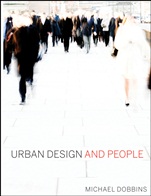
Urban Design and People
ISBN 9780470138168
Autor: Michael Dobbins
Wydawca: Wiley
Dostępność: 3-6 tygodni
Cena: 394,80 zł
Przed złożeniem zamówienia prosimy o kontakt mailowy celem potwierdzenia ceny.
ISBN13: |
9780470138168 |
ISBN10: |
0470138165 |
Autor: |
Michael Dobbins |
Oprawa: |
Hardback |
Rok Wydania: |
2009-04-29 |
Ilość stron: |
400 |
Wymiary: |
284x226 |
Tematy: |
AM |
" Urban Design and People presents an important and critical investigation of people′s roles in creating and using their environments. It is a long–awaited guide for students and citizens to engage designers as partners in creating community." — William Gilchrist, FAIA The People, processes, and strategies that make good urban design happen Based on author Michael Dobbins′s forty years of practice and teaching in urban design and planning, this text offers an insider′s perspective on the day–to–day work of an urban designer. Readers gain a solid foundation in urban design theory, as well as commonsense design strategies and practices that work. The author′s straightforward, accessible explanations coupled with plenty of photographs and drawings make everything in the text easy to understand and easy to put into practice. Starting from the premise that urban designers must understand and work with all of the different forces involved in planning, designing, and developing urban environments, the book sets forth a comprehensive framework for urban design principles and strategies. Throughout the text, therefore, the author keeps readers focused on the importance of three key processes that are essential for effective urban design: Actively engaging the community in design and development decisions Considering the interests of all parties involved in regulating, building, and using urban spaces Coordinating all the disciplines responsible for designing public places, including city planning, architecture, civil engineering, and landscape architecture With its hands–on, how–to advice, this text enables students and professionals in urban design, as well as community members, to effectively and fully participate in designing urban environments.
Preface. Acknowledgements. Illustration Credits. PART ONE: BACKGROUND. Overview – how people have occupied space and who decides. 1. People and Place – how people have shaped their worlds. Introduction. Antecedents. The ‘60s. The "movement" and the civic environment. Organizational responses to the rise of citizen participation. Growing pains – the challenges of citizen participation. Where we may be heading. Summary. 2. Urban Design Traditions ? spatial models in the built world. Introduction. The organic tradition – naturalistic, indigenous, vernacular, incremental, informal, romantic, picturesque. The formalist tradition – planned, classical, the grid, monumental, beaux arts, the grand manner, city beautiful, new urbanism. The modernist tradition – functionalist, rational, technological, utilitarian, clean, efficient. Interactions and overlaps of the three traditions. Getting to where we are today. Environmental responses – from exploitation to balance. Design responses – from old urbanism to new urbanism. Citizen participation and urban design – from receiver to transmitter. The place design disciplines – from divergence to convergence. Summary. PART TWO: CONTENT. Overview – the elements of urban design. 3. The Physical Environment – the places people occupy. The Natural World. Introduction. The elements. topography. geology. soils. location. climate. water. air. ecosystems. Summary. The Built World – what people have done with it. Introduction. The elements. buildings. lots. blocks. streets. Synthesis – building, lot, block and street put together. Parking and utilities. The larger territories. neighborhoods. districts. towns and cities. regions. Summary. 4. Human Activity – what people have to do, want to do and where they do it. Introduction. Home. Workplace. Marketplace. Institutions. Leisure. Travel. Summary. 5. Connections – the infrastructure that connects people. Introduction. Transportation. Utilities. Communications. Summary. PART THREE: PRINCIPLES. Overview – principles for urban design theory and practice. 6. Design – design matters. Introduction. Good design makes better places. Design places to reflect the people who are or will be there. Design places consciously and holistically. Design is an essential skill. Beware of "solutionism". Design in the context of time – and motion. Summary. 7. Change – change happens. Introduction. Change dynamics. Framework for understanding and managing change. Trends in change management. The triad of vision, information and action. Provide for choice. Be ready. Summary. 8. Organization – coordination and partnership. Introduction. Leadership. Principles for guiding community organizations. Principles for guiding private sector organizations. Principles for guiding governmental organizations. Summary. PART FOUR: PROCESSES. Overview – what it takes to get it done. 9. Rules – that make places what they are. Introduction. Zoning. Comprehensive plans. Public improvement plans. Subdivision. Public works standards. Land development rules at the state and federal levels. Special purpose rules. Building and life safety rules. Financing rules. Summary. 10. Tools – using the right tool makes the job easier. Introduction. Process tools and resources. Rules to tools. Summary. 11. Techniques – using the tools. Introduction. The pieces. Navigational techniques. methodological techniques. attitudinal and behavioral considerations. Summary. PART FIVE: STRATEGIES. 12. Strategies – sample applications. Introduction. Resources. Strategic considerations for communities. Strategic considerations for urban designers. Growth choices for regions. Strategic considerations for towns and cities. District strategies – centers and corridors. Strategic considerations for neighborhoods. Summary. Bibliography. Index.
MICHAEL DOBBINS , FAIA, AICP, an architect, city planner, and former Atlanta Commissioner of Planning and Development, is a Professor of Practice in the Architecture and City and Regional Planning programs in the College of Architecture at Georgia Tech. Mr. Dobbins also serves as urban design and development advisor to various organizations and agencies.
"This book is a distillation of what Dobbins has learned in the course of his career, aims to help readers – students, teachers, practitioners and everyday citizens – seize urban design′s full potential…the content which ranges from historical observations to current advice, public–spirited philosophizing, and nitty–gritty discussions of the physical, economic, social, and organizational aspects of planning – should prove useful to serious students of public–sector urban design." ( New Urban News , Oct/Nov 2009)
Koszyk
Książek w koszyku: 0 szt.
Wartość zakupów: 0,00 zł
Informacje


Kontakt
Gambit
Centrum Oprogramowania
i Szkoleń Sp. z o.o.
Al. Pokoju 29b/22-24
31-564 Kraków
Siedziba Księgarni
ul. Kordylewskiego 1
31-542 Kraków
+48 12 410 5991
+48 12 410 5987
+48 12 410 5989
Subskrypcje
Administratorem danych osobowych jest firma Gambit COiS Sp. z o.o. Na podany adres będzie wysyłany wyłącznie biuletyn informacyjny.
Autoryzacja płatności

Informacje na temat autoryzacji płatności poprzez PayU.

© Copyright 2012: GAMBIT COiS Sp. z o.o. Wszelkie prawa zastrzeżone.
Projekt i wykonanie: Alchemia Studio Reklamy