


Wydawcy
Katalog tematyczny
- Archeologia (109)
- Ekonomia, finanse, business (13704)
- Filozofia (1445)
- Historia (3040)
- Języki i językoznawstwo (2356)
- Lifestyle, hobby i rozrywka (475)
- Medycyna (9704)
- Nauki humanistyczne (4)
- Nauki o Ziemi i środowisku (2638)
- Nauki ścisłe (20412)
- Nauki społeczne (8486)
- Edukacja (229)
- Kryminologia, opieka spełeczna (284)
- Obronność (10)
- Polityka (1389)
- Psychologia (777)
- Socjologia (410)
- Społeczeństwo i kultura (187)
- Nauki techniczne (13450)
- Prawo (1696)
- Publikacje informacyjne i interdyscyplinarne (1288)
- Religia i wierzenia (917)
- Technika komputerowa (4067)
- Zdrowie, relacje międzyludzkie i rozwój osobisty (657)





Informacje szczegółowe o książce
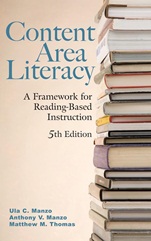
Content Area Literacy: A Framework for Reading–Based Instruction
ISBN 9780470129098
Autor: Ula C. Manzo, Anthony V. Manzo, Matthew M. Thomas
Wydawca: Wiley
Dostępność: 3-6 tygodni
Cena: 1 268,40 zł
Przed złożeniem zamówienia prosimy o kontakt mailowy celem potwierdzenia ceny.
ISBN13: |
9780470129098 |
ISBN10: |
0470129093 |
Autor: |
Ula C. Manzo, Anthony V. Manzo, Matthew M. Thomas |
Oprawa: |
Hardback |
Rok Wydania: |
2009-02-13 |
Numer Wydania: |
5th Edition |
Ilość stron: |
400 |
Wymiary: |
239x158 |
Tematy: |
JD |
Content Area Literacy introduces teachers to the reasons for and means of promoting basic and higher–order literacy across the disciplines. The fifth edition has been updated to reflect new research, methods, data, and national trends relative to the field. It includes new aids that offer guidelines for reading actively, highlighting important material, and making personal marginal notes. Key standards are also integrated throughout the methods chapters and an appendix of the Standards of 6–8 major Professional Associations has been added. Teachers will gain a strong understanding of practical and user–friendly methods.
Spis treści:
SECTION I
Foundations of Content Area Literacy
Chapter 1 Content Area Literacy: Why and What Teachers Should Know
· One Who Is Learning
· Backstory: From Content Area Reading to Content Area Literacy
· Reading–to–Learn: Whose Job Is It?
· Content Area Literacy: A Schoolwide Goal
· Listen–Read–Discuss: A Teacher–Friendly CAL Method
· Concept Summary
Chapter 2 The Science of Reading–to–Learn
· The Scientific Study of Reading
· Difficulty Levels of Reading: Independent, Instructional, Frustration
· The Reading Process: Five Eras of Theory
· Classroom Examples of Theory
· &
#160; A Metaphor for the Study–Reading Process
· Theory into Practice: CAL Methods
· The Oral Reading Strategy: A Straightforward “How–To” Method
· Concept Summary
Chapter 3 A Framework for Reading–Based Instruction in the Interactive Classroom
· The More Things Change
· A Framework for Reading–Based Instruction in the Interactive Classroom
· Implementation
· A Quick Word About Writingin the Reading Framework
· Concept Summary
SECTION II
Putting Wings Under Reading and Learning from Text and Media
Chapter 4 Methods for Prereading Schema Activation
· Importance of Prereading
· Goals of Prereading Instruction: Reader Engagement, Schema Activation, and Purposeful Inquiry
· Mental Modeling: A Form of Apprenticeship Training
· Prereading Methods for Reader Engagement, Schema Activation, and Purposeful Inquiry
· Concept Summary
Chapter 5 Through—Methods for Guiding Silent Reading
· Teaching Students to Think While They Read
·
Entering Strategy Instruction Through a Side Door
· Techniques for Comprehension Monitoring and Fix–Up
· Reading Guides
· Built–In Guides
· Text Structure: Historical Footnote and Lukewarm Support
· Concept Summary
Chapter 6 Beyond—Methods for Postreading Schema Building
· Class Discussion: What It Is and How to Get There
· Teacher–Directed Recitation for Checking Comprehension
· Peer Recitation for Increased Student Involvement
· Bridging to Reflective Discussion and Applications
· Full Circle to Discussion
· Concept Summary
SECTION III
Complements to Content Area Reading:
Vocabulary, Higher–Order Literacy, Writing to Learn,
Assessment, and Study Techniques
Chapter 7 Methods for Vocabulary and Concept Development
· What’s in a Name?
· What We Know About Vocabulary Learning and Teaching
· Methods for Prereading Vocabulary Introduction
· Methods to Teach Word Meaning Prediction During Silent Reading and General Word Consciousness
· &#
160; Methods for Postreading and General Vocabulary Development
· Concept Summary
Chapter 8 Beyond the Lines: Teaching for Critical and Creative Responses to Reading
· Welcome to the 21st Century: Aiming Higher to Constructive Thinking
· Critical Reading–Writing–Thinking: A Traditional and Evolving Goal
· Writing–Based Methods for Guiding Critical–Constructive Reading
· A Formula for Promoting Critical–Constructive Thinking
· Critical–Constructive Techniques for a Rousing Discussion
· Looking Back, Looking Ahead
Chapter 9 Emergent Content Area Literacy
· Emergent Content Area Literacy: How Early Elementary Teachers Can Better Prepare Children for Reading to Learn
· Extending Emergent Literacy
· Emergent Content Area Literacy Learning for Beginners
· Nonprint ECAL Method
· Print Records Important Information, and Wonder Releases It
· Literature– and Theme–Based (Interdisciplinary) Explorations into Context, Concepts, and Vocabulary
· Writing to Learn
· Looking Back, Looking Ahead
Chapter
10 Interactive Assessment for Active Self–Monitoring and Self–Teaching
· Introduction to Student Assessment
· Tools for Assessment of Student Reading
· Evaluation of Student Writing
· Portfolios: Rationale, Functions, Promise, Problems
· Assessing Text Difficulty
· Affective Issues and Measures
· Concept Summary
Chapter 11 Study Techniques for Reading, Learning and Remembering
· From Study Skills to Strategic Study
· Methods for Improving Lecture Note Taking and Listening
· Test–Taking Strategies
· Concept Summary
SECTION IV
Content Area Applications:
Provisions for Special Needs
and the Schoolwide Literacy Program
Chapter 12 Discipline–Specific Applications
· Distributed versus Universal Responsibility
· English/Language Arts
· Foreign Languages
· Mathematics
· Biological–Physical Sciences
· Social Studies
· Con
tent Area Reading in the Support Subject Areas
· Health and Physical Education
· Vocational Technology
· Art and Music
· Encourage Creativity
· Concept Summary
Chapter 13 Provisions for Special Literacy Needs of Adolescents
· Special Literacy Needs Defined
· Special Focus on Motivation
· Special Focus on Inclusion
· Special Focus on Personal–Social Adjustment Needs
· Special Focus on Vocabulary
· Special Focus on Classroom Discussion
· Special Focus on Decoding
· Special Focus on English Language Proficiency
· Concept Summary
Chapter 14 Literacy Leadership in the Content Areas
· Literacy Leadership: Prepare Now to Lead Later
· Components of Content Area Literacy Programs
· Vision
· Roles and Responsibilities
· Program Design
· Staff Development
·
; Program Evaluation
· Concept Summary
Appendix
Model Professional Portfolio Recorder and Planner
References
Photo Credits
Index
Koszyk
Książek w koszyku: 0 szt.
Wartość zakupów: 0,00 zł
Informacje


Kontakt
Gambit
Centrum Oprogramowania
i Szkoleń Sp. z o.o.
Al. Pokoju 29b/22-24
31-564 Kraków
Siedziba Księgarni
ul. Kordylewskiego 1
31-542 Kraków
+48 12 410 5991
+48 12 410 5987
+48 12 410 5989
Subskrypcje
Administratorem danych osobowych jest firma Gambit COiS Sp. z o.o. Na podany adres będzie wysyłany wyłącznie biuletyn informacyjny.
Autoryzacja płatności

Informacje na temat autoryzacji płatności poprzez PayU.

© Copyright 2012: GAMBIT COiS Sp. z o.o. Wszelkie prawa zastrzeżone.
Projekt i wykonanie: Alchemia Studio Reklamy