


Wydawcy
Katalog tematyczny
- Archeologia (109)
- Ekonomia, finanse, business (13704)
- Filozofia (1445)
- Historia (3040)
- Języki i językoznawstwo (2356)
- Lifestyle, hobby i rozrywka (475)
- Medycyna (9704)
- Nauki humanistyczne (4)
- Nauki o Ziemi i środowisku (2638)
- Nauki ścisłe (20412)
- Astronomia (294)
- Biologia (5119)
- Chemia (6540)
- Chemia analityczna (361)
- Chemia fizyczna (346)
- Chemia nieorganiczna (137)
- Chemia organiczna (535)
- Krystalografia (27)
- Minerologia (46)
- Fizyka (3309)
- Matematyka (4574)
- Nauki ścisłe, ogólnie (503)
- Nauki społeczne (8486)
- Nauki techniczne (13450)
- Prawo (1696)
- Publikacje informacyjne i interdyscyplinarne (1288)
- Religia i wierzenia (917)
- Technika komputerowa (4067)
- Zdrowie, relacje międzyludzkie i rozwój osobisty (657)





Informacje szczegółowe o książce
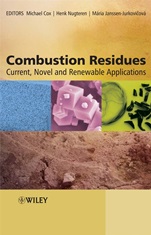
Combustion Residues: Current, Novel and Renewable Applications
ISBN 9780470094426
Autor: Michael Cox, Henk Nugteren, Mária Janssen–Jurkovičová
Wydawca: Wiley
Dostępność: 3-6 tygodni
Cena: 882,00 zł
Przed złożeniem zamówienia prosimy o kontakt mailowy celem potwierdzenia ceny.
ISBN13: |
9780470094426 |
ISBN10: |
0470094427 |
Autor: |
Michael Cox, Henk Nugteren, Mária Janssen–Jurkovičová |
Oprawa: |
Hardback |
Rok Wydania: |
2008-04-15 |
Ilość stron: |
442 |
Wymiary: |
234x162 |
Tematy: |
PN |
Combustion Residues
Current, Novel and Renewable Applications
Millions of tons of combustion residues, in particular fly ash and municipal waste bottom ash, are generated every year in the world requiring utilization or disposal. With the increasing limitation on disposal to landfill because of environmental, economic and space requirements new products and markets are required. The traditional uses in cement and concrete production and road construction are not sufficient to cope with the increasing volume of residues. In addition, the introduction of mixed fuels for power generation and new combustion technologies coupled with the increasing use of incineration for municipal wastes create new challenges for the use of these ‘secondary raw materials′.
This volume on novel products derived from the new generation of combustion ashes:shows how combustion residues, as well as being used in the above traditional outlets, can also be useful source of primary feed materials for a range of industrial high value products such as zeolites; ceramics; glass fibres; glass polyalkenoate cements for biomedical applications; fire resistant materials; fillers for rubber and plastics; etcdiscusses the nature of ashes derived from coal co–combustion, biomass and other fuels in traditional and stand–alone power plants and municipal waste incineratorsdiscusses the development of novel commercial products incorporating such ashes, including the importance of technical and environmental standards, marketing strategies and promotionpresents an example of how one particular industry has approached the problem of introducing new materials into an established industrial process and the difficulties this has causedprovides an important source book for research scientists and engineers in the fields of power generation, environment and construction.
This volume is relevant to industries that produce combustion res
idues or utilize them in their manufacturing processes e.g. power generation, municipal incinerators, cement and concrete manufactures, ceramic industries (e.g. brick and tile manufacturers) and polymer producers. In addition it will be of interest to academics/researchers in civil engineering, materials, fuel and combustion and regulatory bodies, government departments and waste utilization groups.
Spis treści:
Preface.
List of Contributors.
1. The Current and Future Nature of Combustion Ashes (Alan Thompson).
1.1 Introduction.
1.2 Coal: the Principal Source of Combustion Residues.
1.3 Coal Ash: the Principal Combustion Residue.
1.4 Other Forms of Combustions.
1.5 Co–combustion Ashes.
1.6 Biomass and Waste.
1.7 Other Fuel Ashes.
1.8 Gasification.
1.9 Summary.
2. Established Uses of Combustion Residues (Michael Anderson (2.1–2.3, 2.7–2.9) and Rod Jones and Michael McCarthy (2.4–2.6).
2.1 Introduction.
2.2 Disposal Approaches for Three Prominent Combustion Residues.
2.3 PFA and its Agricultural Applications.
2.4 Uses of Fly Ash in Concrete.
2.5 Application of Fly Ash in Grouts.
2.6 Use of Ash in Fill and Pavement Construction.
2.7 PFA as an Ameliorator of Liquid and Solid Toxic Wastes.
2.8 Commercial Building Products Incorporating PFA.
2.9 The Use of PFA in Ceramic Products.
3. Limitations of Combustion Ashes: “From Threat to Profit′(Henk Nugteren).
3.1 Introduction.
3.2 Technical Quality.
3.3 Environmental Quality.
3.4 Health and Safety.
4. Novel Products and Applications with Combustion Residues.
4.1 Introduction (Henk Nugteren).
4.2 New Developments in Cement and Concrete Applications (Rod Jones and Michael McCarthy).
4.3 Combustion Residues in Heavy Clayware Building Products (Michael Anderson).
4.4 Zeolites (Xavier Quer
ol and Natalie Moreno).
4.5 Reinforcing Materials: Fibres Containing Fly Ash (Flavio Cioffi).
4.6 Glass Polyalkenoate Cements (Ann Sullivan and Robert Hill).
4.7 Fire–resistant Materials (Constantino Fernández–Pereira and Luis Vilches Arenas).
4.8 Fly Ash as a Replacement for Mineral Fillers in the Polymer Industry (Henk Nugteren and Richard Kruger).
4.9 Geopolymers (Henk Nugteren).
4.10 Carbon Products (Henk Nugteren and Mercedes Maroto–Valer).
4.11 Recovery of Values from Combustion Ashes (Michael Cox).
5. Novel Products – from Concept to Market (Ian Barnes and Fritz Moedinger).
5.1 Introduction.
5.2 Novel Products – Basic Economic Considerations.
5.3 Specifications and Standards.
5.4 Legislation and Taxes.
5.5 Customer Acceptance.
5.6 Environmental Acceptance Schemes.
5.7 Concluding Remarks.
Index.
Okładka tylna:
Combustion Residues
Current, Novel and Renewable Applications
Millions of tons of combustion residues, in particular fly ash and municipal waste bottom ash, are generated every year in the world requiring utilization or disposal. With the increasing limitation on disposal to landfill because of environmental, economic and space requirements new products and markets are required. The traditional uses in cement and concrete production and road construction are not sufficient to cope with the increasing volume of residues. In addition, the introduction of mixed fuels for power generation and new combustion technologies coupled with the increasing use of incineration for municipal wastes create new challenges for the use of these ‘secondary raw materials′.
This volume on novel products derived from the new generation of combustion ashes:shows how combustion residues, as well as being used in the above traditional outlets, can also be
useful source of primary feed materials for a range of industrial high value products such as zeolites; ceramics; glass fibres; glass polyalkenoate cements for biomedical applications; fire resistant materials; fillers for rubber and plastics; etcdiscusses the nature of ashes derived from coal co–combustion, biomass and other fuels in traditional and stand–alone power plants and municipal waste incineratorsdiscusses the development of novel commercial products incorporating such ashes, including the importance of technical and environmental standards, marketing strategies and promotionpresents an example of how one particular industry has approached the problem of introducing new materials into an established industrial process and the difficulties this has causedprovides an important source book for research scientists and engineers in the fields of power generation, environment and construction.
This volume is relevant to industries that produce combustion residues or utilize them in their manufacturing processes e.g. power generation, municipal incinerators, cement and concrete manufactures, ceramic industries (e.g. brick and tile manufacturers) and polymer producers. In addition it will be of interest to academics/researchers in civil engineering, materials, fuel and combustion and regulatory bodies, government departments and waste utilization groups.
Koszyk
Książek w koszyku: 0 szt.
Wartość zakupów: 0,00 zł
Informacje


Kontakt
Gambit
Centrum Oprogramowania
i Szkoleń Sp. z o.o.
Al. Pokoju 29b/22-24
31-564 Kraków
Siedziba Księgarni
ul. Kordylewskiego 1
31-542 Kraków
+48 12 410 5991
+48 12 410 5987
+48 12 410 5989
Subskrypcje
Administratorem danych osobowych jest firma Gambit COiS Sp. z o.o. Na podany adres będzie wysyłany wyłącznie biuletyn informacyjny.
Autoryzacja płatności

Informacje na temat autoryzacji płatności poprzez PayU.

© Copyright 2012: GAMBIT COiS Sp. z o.o. Wszelkie prawa zastrzeżone.
Projekt i wykonanie: Alchemia Studio Reklamy