


Wydawcy
Katalog tematyczny
- Archeologia (109)
- Ekonomia, finanse, business (13704)
- Filozofia (1445)
- Historia (3040)
- Języki i językoznawstwo (2356)
- Lifestyle, hobby i rozrywka (475)
- Medycyna (9704)
- Nauki humanistyczne (4)
- Nauki o Ziemi i środowisku (2638)
- Nauki ścisłe (20412)
- Nauki społeczne (8486)
- Edukacja (229)
- Kryminologia, opieka spełeczna (284)
- Obronność (10)
- Polityka (1389)
- Psychologia (777)
- Socjologia (410)
- Społeczeństwo i kultura (187)
- Nauki techniczne (13450)
- Prawo (1696)
- Publikacje informacyjne i interdyscyplinarne (1288)
- Religia i wierzenia (917)
- Technika komputerowa (4067)
- Zdrowie, relacje międzyludzkie i rozwój osobisty (657)





Informacje szczegółowe o książce
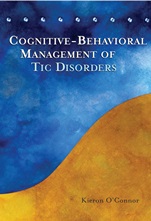
Cognitive–Behavioral Management of Tic Disorders
ISBN 9780470093801
Autor: Kieron OConnor
Wydawca: Wiley
Dostępność: 3-6 tygodni
Cena: 302,40 zł
Przed złożeniem zamówienia prosimy o kontakt mailowy celem potwierdzenia ceny.
ISBN13: |
9780470093801 |
ISBN10: |
0470093803 |
Autor: |
Kieron OConnor |
Oprawa: |
Paperback |
Rok Wydania: |
2005-04-08 |
Ilość stron: |
324 |
Wymiary: |
244x170 |
Tematy: |
JC |
Tics can be very distressing and severely disabling for sufferers. Cognitive–Behavioral Management of Tic Disorders uses cognitive behavioral approaches and related psychoeducational and psychophysiological methods to aid management of tics in people with Gilles de la Tourette’s syndrome and chronic tic disorder.
Kieron O’Connor undertakes a review of relevant literature and research in this area, and presents a cognitive psychophysiological model of tics, together with an outline of empirical studies testing the model. A comprehensive and original treatment program for use in tic management is included, with case studies and appendices to illustrate the approach. The program focuses on preventing tic onset and addresses wider aspects of the person’s functioning. Both client and therapist manuals are provided.
Cognitive–Behavioral Management of Tic Disorders provides a much needed, effective reference for the psychological treatment of tic and habit disorders. It will be a valuable resource for clinical psychologists, cognitive–behavioral therapists, psychiatrists and other mental health professionals.
Spis treści:
About the Author.
Preface.
Acknowledgments.
Chapter 1. The Nature of Tic Disorders.
Definition.
Diagnosis.
What counts as a tic?
Comorbidity and covariation.
Secondary distress.
Prevalence.
Relationship of tics with other disruptive behaviors.
Distinguishing impulsions and compulsions: sensory tics, cognitive tics and obsessions.
Emotional associations.
Self–management strategies.
Coping strategies maintaining the tic cycle.
Functional analysis and situational variability.
Conclusions.
Chapter 2. Understanding Tic Disorders: Etiological Models.
Overview of neurobiological models.
Neurophysiological studies.
Neurobiological treatments.
Genetic factors.
Psychosocial factors.
Neuropsych
ological aspects.
Emotional regulation.
Learning model.
Psychological treatments.
Behavioral approaches.
Abbreviated versions of habit reversal.
Other tension prevention and exposure techniques.
Conclusions.
Chapter 3. Motor Processing in Tic Disorders.
Motor processing.
Psychology of action.
Tics as behavioral acts.
Human ecology of action.
Motor psychophysiology.
Chronic muscle tension.
The role of frustration in tic onset.
Tic onset and muscle use: the frustration–action/tense–release cycle.
Perfectionist styles of action.
Heightened sensorimotor awareness.
Dysregulation of motor activation cycle and sensory feedback mechanisms.
A cognitive–behavioral/motorpsychophysiological model of tic disorder.
Clinical implications.
Conclusions.
Chapter 4. Empirical Studies Testing the Cognitive–psychophysiological Model.
Overview.
Behavioral activity associated with tic onset in chronic tic and habit disorders.
Validation of a style of planning action (STOP) as a discriminator between tic disorder, obsessive–compulsive disorder and generalized anxiety.
Brain–behavior relations during motor processing in chronic tic and habit disorders.
A cognitive–behavioral program for the management of chronic tic disorders.
Does behavior therapy modify visuo–motor performance in chronic tic disorder?
Conclusions.
Chapter 5. Future Directions.
The cognitive–behavioral/psychophysiological conceptualization of tic disorders.
Implications for future research.
The TS–OCD spectrum.
Separating impulse from compulse: the case of cognitive tics.
Adaptation of the program to children and to other groups with special needs.
Application of the program to other tension problems.
Chapter 6. Therapist Manual.
Overview of the program.
Assessment procedures.
Ten–stage program.
Ses
sion by session protocol.
Trouble–shooting guide.
Case illustrations.
Chapter 7. Client Manual.
Introduction: who is the manual for?
About tics.
A cognitive–behavioral management approach to changing habits.
Overview of tic management model.
Motivation.
Mind over muscle.
Awareness training.
Identifying high– and low–risk activities, and associated thoughts and feelings.
Muscle discrimination exercises.
Relaxing in three dimensions.
Refocusing sensations.
Thinking in action.
Rethinking your thinking.
Beliefs relevant to planning action.
Motor and behavioral restructuring.
Maintaining the new behavior.
Conclusions.
Appendices.
Appendix 1: Questionnaires 1a–1h.
Appendix 2: Manual worksheets 2a–2j.
Appendix 3: Cognitive tics: special Considerations.
Appendix 4: Tic–monitoring diary.
Appendix 5: Graphic examples from daily diaries.
Appendix 6: Daily diary forms and questionnaire.
Appendix 7: Tic quiz.
Appendix 8: Follow–up questionnaire.
Appendix 9: Answers to tic quiz.
References.
Index.
Nota biograficzna:
Kieron O′Connor began his research career working as a research officer at the Medical Research Council (UK) Clinical Psychiatry Unit at Graylingwell Hospital, Chichester, Sussex. In 1979, he was awarded a Master of Philosophy (MPhil) by thesis in experimental psychology from the University of London. He completed the British Psychology Society clinical diploma training course in 1986, and transferred to the University College, Institute of Laryngology and Otology, working partly as a research lecturer, investigating psychological aspects of vertigo and dizziness, and also as a clinical psychologist at Bloomsbury Health Authority.
In 1988, he was awarded the first of a series of fellowships by the Fonds de la recherche en Santè du Quèbec, and established a clinic
al research program at the Fernand–Seguin Research Center, Louis–H. Lafontaine Hospital, University of Montreal, Canada. The multidisciplinary research program, which focuses on obsessive–compulsive disorder (OCD), Tourette and tic disorder and delusional disorder, is currently funded by the Canadian Institutes of Health Research. He is actively involved in several community–based initiatives to provide support and information to people with OCD and Tourette′s syndrome and their families, and is scientific advisor to the Quebec OCD Foundation.
He is currently associate research professor at the Psychiatry Department of University of Montreal, and also holds an honorary cross appointment as associate professor in the department of Psychology, University of Quebec at Montreal. He is author or co–author on over 1000 scientific publications. He is also co–authored with Frederick Aardema and Marie–Claude Pèlissier of Beyond Reasonable Doubt: Reasoning Processes in ODC Disorder and Related Disorders, published in 2005 by Wiley.
Okładka tylna:
Tics can be very distressing and severely disabling for sufferers. Cognitive–Behavioral Management of Tic Disorders uses cognitive behavioral approaches and related psychoeducational and psychophysiological methods to aid management of tics in people with Gilles de la Tourette’s syndrome and chronic tic disorder.
Kieron O’Connor undertakes a review of relevant literature and research in this area, and presents a cognitive psychophysiological model of tics, together with an outline of empirical studies testing the model. A comprehensive and original treatment program for use in tic management is included, with case studies and appendices to illustrate the approach. The program focuses on preventing tic onset and addresses wider aspects of the person’s functioning. Both client and therapist manuals are provided
Koszyk
Książek w koszyku: 0 szt.
Wartość zakupów: 0,00 zł
Informacje


Kontakt
Gambit
Centrum Oprogramowania
i Szkoleń Sp. z o.o.
Al. Pokoju 29b/22-24
31-564 Kraków
Siedziba Księgarni
ul. Kordylewskiego 1
31-542 Kraków
+48 12 410 5991
+48 12 410 5987
+48 12 410 5989
Subskrypcje
Administratorem danych osobowych jest firma Gambit COiS Sp. z o.o. Na podany adres będzie wysyłany wyłącznie biuletyn informacyjny.
Autoryzacja płatności

Informacje na temat autoryzacji płatności poprzez PayU.

© Copyright 2012: GAMBIT COiS Sp. z o.o. Wszelkie prawa zastrzeżone.
Projekt i wykonanie: Alchemia Studio Reklamy