


Wydawcy
Katalog tematyczny
- Archeologia (109)
- Ekonomia, finanse, business (13704)
- Filozofia (1445)
- Historia (3040)
- Języki i językoznawstwo (2356)
- Lifestyle, hobby i rozrywka (475)
- Medycyna (9704)
- Nauki humanistyczne (4)
- Nauki o Ziemi i środowisku (2638)
- Nauki ścisłe (20412)
- Astronomia (294)
- Biologia (5119)
- Biochemia (575)
- Biologia człowieka (14)
- Biologia komórkowa (377)
- Biologia molekularna (398)
- Biologia rozwoju (130)
- Biologia, ogólnie (1277)
- Botanika (280)
- Hydrobiologia (92)
- Mikrobiologia (363)
- Mykologia (22)
- Zoologia (303)
- Chemia (6540)
- Fizyka (3309)
- Matematyka (4574)
- Nauki ścisłe, ogólnie (503)
- Nauki społeczne (8486)
- Nauki techniczne (13450)
- Prawo (1696)
- Publikacje informacyjne i interdyscyplinarne (1288)
- Religia i wierzenia (917)
- Technika komputerowa (4067)
- Zdrowie, relacje międzyludzkie i rozwój osobisty (657)





Informacje szczegółowe o książce
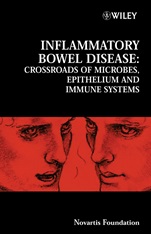
Inflammatory Bowel Disease: Crossroads of Microbes, Epithelium and Immune Systems
ISBN 9780470090466
Autor: Derek J. Chadwick, Jamie A. Goode
Wydawca: Wiley
Dostępność: 3-6 tygodni
Cena: 836,85 zł
Przed złożeniem zamówienia prosimy o kontakt mailowy celem potwierdzenia ceny.
ISBN13: |
9780470090466 |
ISBN10: |
0470090464 |
Autor: |
Derek J. Chadwick, Jamie A. Goode |
Oprawa: |
Hardback |
Rok Wydania: |
2004-11-12 |
Ilość stron: |
238 |
Wymiary: |
239x163 |
Tematy: |
PS |
Inflammatory bowel disease (IBD) comprises a group of idiopathic diseases of the intestine characterized by chronic inflammation of the bowel with periods of exacerbation and remission. The two major categories of IBD are ulcerative colitis and Crohn′s disease. In their classical forms, they differ both clinically and histologically but it is still uncertain whether they are distinct diseases. Although the exact cause of IBD remains undetermined, the condition appears to be related to a combination of genetic and environmental factors that result in aberrant activation of the mucosal immune system.
Whilst chemotherapeutic treatments are usually effective in most patients in maintaining prolonged remission and decreasing the length of active disease periods, such treatments have side effects and a significant number of people still require surgery.
This important book draws together four fundamental strands in IBD research: genetics, bacteriology, epithelial biology and immunology. The identification of genes that confer susceptibility to IBD is likely to translate into a more detailed and complete understanding of disease pathogenesis and of the nature of the key interactions with environmental insults. This could lead to better diagnosis and more rational and appropriate treatment.
Spis treści:
Chair′s Introduction (Jewell).
Progress toward identifying inflammatory bowel disease susceptibility genes (Rioux).
Phenotype–determining genes in inflammatory bowel disease (Ahmad).
Pharmacogenetics of inflammatory bowel disease (Kelleher et al).
Bacterial milieu and mucosal bacteria in ulcerative colitis (Macfarlane et al).
Defensins and mucosal protection (Mahid and Cunliffe).
Intestinal mycoplasma in Crohn′s Disease (Roediger).
Kong Probiotics, prebiotics and antibiotics in inflammatory bowel disease (Cummings and Choon).
The eipthelium in inflammatory bowel disease: potential role of endocytosi
s of junctional proteins in barrier disruption (Ivanov et al).
Apoptosis or necrosis – colonic epithelial cell survival (Gibson).
Genetic aspects of intestinal permeability in inflammatory bowel disease (Takeuchi et al).
Animal models of intestinal inflammation: clues to the pathogenesis of inflammatory bowel disease (Powrie and Uhlig).
Homing of intestinal immune cells (Uhlig et al).
Anti–TNF therapy in Crohn′s Disease (Ghosh).
Index of contributors.
Subject index.
Okładka tylna:
Inflammatory bowel disease (IBD) comprises a group of idiopathic diseases of the intestine characterized by chronic inflammation of the bowel with periods of exacerbation and remission. The two major categories of IBD are ulcerative colitis and Crohn′s disease. In their classical forms, they differ both clinically and histologically but it is still uncertain whether they are distinct diseases. Although the exact cause of IBD remains undetermined, the condition appears to be related to a combination of genetic and environmental factors that result in aberrant activation of the mucosal immune system.
Whilst chemotherapeutic treatments are usually effective in most patients in maintaining prolonged remission and decreasing the length of active disease periods, such treatments have side effects and a significant number of people still require surgery.
This important book draws together four fundamental strands in IBD research: genetics, bacteriology, epithelial biology and immunology. The identification of genes that confer susceptibility to IBD is likely to translate into a more detailed and complete understanding of disease pathogenesis and of the nature of the key interactions with environmental insults. This could lead to better diagnosis and more rational and appropriate treatment.
Koszyk
Książek w koszyku: 0 szt.
Wartość zakupów: 0,00 zł
Informacje


Kontakt
Gambit
Centrum Oprogramowania
i Szkoleń Sp. z o.o.
Al. Pokoju 29b/22-24
31-564 Kraków
Siedziba Księgarni
ul. Kordylewskiego 1
31-542 Kraków
+48 12 410 5991
+48 12 410 5987
+48 12 410 5989
Subskrypcje
Administratorem danych osobowych jest firma Gambit COiS Sp. z o.o. Na podany adres będzie wysyłany wyłącznie biuletyn informacyjny.
Autoryzacja płatności

Informacje na temat autoryzacji płatności poprzez PayU.

© Copyright 2012: GAMBIT COiS Sp. z o.o. Wszelkie prawa zastrzeżone.
Projekt i wykonanie: Alchemia Studio Reklamy