


Wydawcy
Katalog tematyczny
- Archeologia (109)
- Ekonomia, finanse, business (13704)
- Filozofia (1445)
- Historia (3040)
- Języki i językoznawstwo (2356)
- Lifestyle, hobby i rozrywka (475)
- Medycyna (9704)
- Nauki humanistyczne (4)
- Nauki o Ziemi i środowisku (2638)
- Nauki ścisłe (20412)
- Nauki społeczne (8486)
- Nauki techniczne (13450)
- Budownictwo lądowe (1045)
- Chemia przemysłowa (2258)
- Elektronika i telekomunikacja (3287)
- Energetyka (1122)
- Inne nauki stosowane (363)
- Inżynieria biochemiczna (507)
- Inżynieria transportu (232)
- Mechanika i materiały (3316)
- Nauka o środowisku (321)
- Rolnictwo (507)
- Technika, ogólnie (475)
- Prawo (1696)
- Publikacje informacyjne i interdyscyplinarne (1288)
- Religia i wierzenia (917)
- Technika komputerowa (4067)
- Zdrowie, relacje międzyludzkie i rozwój osobisty (657)





Informacje szczegółowe o książce
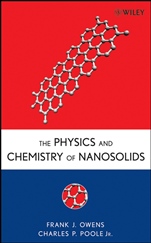
The Physics and Chemistry of Nanosolids
ISBN 9780470067406
Autor: Frank J. Owens, Charles P. Poole Jr.
Wydawca: Wiley
Dostępność: 3-6 tygodni
Cena: 565,95 zł
Przed złożeniem zamówienia prosimy o kontakt mailowy celem potwierdzenia ceny.
ISBN13: |
9780470067406 |
ISBN10: |
0470067403 |
Autor: |
Frank J. Owens, Charles P. Poole Jr. |
Oprawa: |
Hardback |
Rok Wydania: |
2008-05-20 |
Ilość stron: |
560 |
Wymiary: |
244x161 |
Tematy: |
TCB |
A comprehensive textbook that addresses the recent interest in nanotechnology in the engineering, materials science, chemistry, and physics communities
In recent years, nanotechnology has become one of the most promising and exciting fields of science, triggering an increasing number of university engineering, materials science, chemistry, and physics departments to introduce courses on this emerging topic. Now, Drs. Owens and Poole have revised, updated, and revamped their 2003 work, Introduction to Nanotechnology, to make it more accessible as a textbook for advanced undergraduate– and graduate–level courses on the fascinating field of nanotechnology and nanoscience.
The Physics and Chemistry of Nanosolids takes a pedagogical approach to the subject and assumes only an introductory understanding of the physics and chemistry of macroscopic solids and models developed to explain properties, such as the theory of phonon and lattice vibrations and electronic band structure. The authors describe how properties depend on size in the nanometer regime and explain why these changes occur using relatively simple models of the physics and chemistry of the solid state. Additionally, this accessible book:
Provides an introductory overview of the basic principles of solids
Describes the various methods used to measure the properties of nanosolids
Explains how and why properties change when reducing the size of solids to nano–dimensions, and what they predict when one or more dimensions of a solid has a nano–length
Presents data on how various properties of solids are affected by nanosizing and examines why these changes occur
Contains a chapter entirely devoted to the importance of carbon nanostructured materials and the potential applications of carbon nanostructures
The Physics and Chemistry of Nanosolids is complete with a series of exercises at the end of each chapte
r for readers to enhance their understanding of the material presented, making this an ideal textbook for students and a valuable tutorial for technical professionals and researchers who are interested in learning more about this important topic.
Spis treści:
Preface.
Chapter 1: Physics of Bulk Solids.
Chapter 2: Methods of Measuring Properties of Nanostructures.
Chapter 3: Properties of Individual Nanoparticles.
Chapter 4: The Chemistry of Nanostructures.
Chapter 5: Polymer and Biological Nanostructures.
Chapter 6: Cohesive Energy.
Chapter 7: Vibrational Properties.
Chapter 8: Electronic Properties.
Chapter 9: Quantum Wells, Wires, and Dots.
Chapter 10: Carbon Nanostructures.
Chapter 11: Bulk Nanostructured Materials.
Chapter 12: Mechanical Properties of Nanostructured Materials.
Chapter 13: Magnetism in Nanostructures
Chapter 14: Nanoelectronics, Spintronics, Molecular Electronics and Photonics.
Chapter 15: Superconductivity in Nanomaterials.
Appendix A.
Appendix B.
Appendix C.
Nota biograficzna:
Frank J. Owens, PhD, is a Senior Research Scientist of the U.S. Army′s Armament Research, Development, and Engineering Center, and a Professor of Physics in the graduate school of Hunter College of the City University of New York.
Charles P. Poole Jr., PhD, is Professor Emeritus in the Department of Physics and Astronomy at the University of South Carolina and is a member of the USC Nanotechnology Center. Both authors are Fellows of the American Physical Society.
Okładka tylna:
A comprehensive textbook that addresses the recent interest in nanotechnology in the engineering, materials science, chemistry, and physics communities
In recent years, nanotechnology has become one of the most promising and exciting fields of science, triggering an increasing number of university engineering, materials science, chemistry, and physics departments t
o introduce courses on this emerging topic. Now, Drs. Owens and Poole have revised, updated, and revamped their 2003 work, Introduction to Nanotechnology, to make it more accessible as a textbook for advanced undergraduate– and graduate–level courses on the fascinating field of nanotechnology and nanoscience.
The Physics and Chemistry of Nanosolids takes a pedagogical approach to the subject and assumes only an introductory understanding of the physics and chemistry of macroscopic solids and models developed to explain properties, such as the theory of phonon and lattice vibrations and electronic band structure. The authors describe how properties depend on size in the nanometer regime and explain why these changes occur using relatively simple models of the physics and chemistry of the solid state. Additionally, this accessible book:
Provides an introductory overview of the basic principles of solids
Describes the various methods used to measure the properties of nanosolids
Explains how and why properties change when reducing the size of solids to nano–dimensions, and what they predict when one or more dimensions of a solid has a nano–length
Presents data on how various properties of solids are affected by nanosizing and examines why these changes occur
Contains a chapter entirely devoted to the importance of carbon nanostructured materials and the potential applications of carbon nanostructures
The Physics and Chemistry of Nanosolids is complete with a series of exercises at the end of each chapter for readers to enhance their understanding of the material presented, making this an ideal textbook for students and a valuable tutorial for technical professionals and researchers who are interested in learning more about this important topic.
Koszyk
Książek w koszyku: 0 szt.
Wartość zakupów: 0,00 zł
Informacje


Kontakt
Gambit
Centrum Oprogramowania
i Szkoleń Sp. z o.o.
Al. Pokoju 29b/22-24
31-564 Kraków
Siedziba Księgarni
ul. Kordylewskiego 1
31-542 Kraków
+48 12 410 5991
+48 12 410 5987
+48 12 410 5989
Subskrypcje
Administratorem danych osobowych jest firma Gambit COiS Sp. z o.o. Na podany adres będzie wysyłany wyłącznie biuletyn informacyjny.
Autoryzacja płatności

Informacje na temat autoryzacji płatności poprzez PayU.

© Copyright 2012: GAMBIT COiS Sp. z o.o. Wszelkie prawa zastrzeżone.
Projekt i wykonanie: Alchemia Studio Reklamy