


Wydawcy
Katalog tematyczny
- Archeologia (109)
- Ekonomia, finanse, business (13704)
- Filozofia (1445)
- Historia (3040)
- Języki i językoznawstwo (2356)
- Lifestyle, hobby i rozrywka (475)
- Medycyna (9704)
- Nauki humanistyczne (4)
- Nauki o Ziemi i środowisku (2638)
- Nauki ścisłe (20412)
- Astronomia (294)
- Biologia (5119)
- Chemia (6540)
- Chemia analityczna (361)
- Chemia fizyczna (346)
- Chemia nieorganiczna (137)
- Chemia organiczna (535)
- Krystalografia (27)
- Minerologia (46)
- Fizyka (3309)
- Matematyka (4574)
- Nauki ścisłe, ogólnie (503)
- Nauki społeczne (8486)
- Nauki techniczne (13450)
- Prawo (1696)
- Publikacje informacyjne i interdyscyplinarne (1288)
- Religia i wierzenia (917)
- Technika komputerowa (4067)
- Zdrowie, relacje międzyludzkie i rozwój osobisty (657)





Informacje szczegółowe o książce
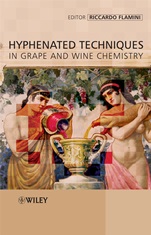
Hyphenated Techniques in Grape and Wine Chemistry
ISBN 9780470061879
Autor: Riccardo Flamini
Wydawca: Wiley
Dostępność: 3-6 tygodni
Cena: 751,80 zł
Przed złożeniem zamówienia prosimy o kontakt mailowy celem potwierdzenia ceny.
ISBN13: |
9780470061879 |
ISBN10: |
0470061871 |
Autor: |
Riccardo Flamini |
Oprawa: |
Hardback |
Rok Wydania: |
2008-04-11 |
Ilość stron: |
362 |
Wymiary: |
236x164 |
Tematy: |
PN |
This book presents the principal modern applications of hyphenated techniques used in the analysis and study of grape, wine, and grape–derivative products chemistry. Applications are performed by the use of techniques such as liquid– and gas–phase chromatography (LC, GC) and capillary electrophoresis (CE) coupled with spectrophotometric detectors (UV, DAD, FL), mass spectrometry (MS), detectors for gas chromatography (FID, ECD), and inductively coupled plasma–mass spectrometry (ICP–MS). These applications to oenology are described with particular attention to methods developed by instrumentation usually present in the laboratory, and with the better performances and reliability. Also principal applications of modern sample preparation methods, such as solid–phase–extraction and solid–phase–microextraction (SPME, SPE) in the oenology field, are described. At the end of each chapter the principal literature on the topic, is reported.
A number of methods are presented for a complete study of the high complex grape and wine chemistry, by analysis of classes of compounds such as organic acids, sugars, hydroxycinnamiltartaric acids, carbonyl compounds, proteins, resveratrol and piceatannol, polyphenols such as anthocyanins and derivatives, flavonols, flavanols and proanthocyanidins, volatile compounds such as esters, alcohols, phenols, monoterpenes and sulphur compounds, contaminants such as ochratoxin A (OTA), biogenic amines, ethylphenols, chloroanisoles, pesticide residues, elements and inorganic anions.
This volume is intended not only as a guide for research and quality control laboratories, but also as an up–to–date source for students beginning work in the field of oenological analytical chemistry.
Spis treści:
List of Contributors.
Preface.
1. Principal Parameters of Grape Ripening and Wine Fermentation (Rocco Di Stefano and Riccardo Flamini).
1.1.
Introduction.
1.2. Determination of Grape Ripening Parameters.
1.3. Analysis of Fermentation Parameters of Wine.
2. High Performance Liquid Chromatography Analysis of Grape and Wine Polyphenols (Rocco Di Stefano and Riccardo Flamini).
2.1. Introduction.
2.2. Extraction of Polyphenols from the Grape.
2.3. Sample Preparation for HPLC Analysis.
2.4. HPLC Analyses.
3. Polyphenols Analysis by Liquid–Mass Spectrometry (Riccardo Flamini and Mirko De Rosso).
3.1. Introduction.
3.2. Non–Anthocyanin Polyphenols and Procyanidins.
3.3. Anthocyanins of Grape and Wine.
4. Grape and Wine Contaminants: Ochratoxin A, Biogenic Amines, Trichloroanisole and Ethylphenols (Riccardo Flamini and Roberto Larcher).
4.1. Introduction.
4.2. Determination of Ochratoxin A in Grape and Wine.
4.3. Determination of biogenic Amines in Grape and Wine.
4.4. Determination of 2,4,6–Trichloroanisole in Wine.
4.5. Analysis of Ethylphenols in Wine.
5. Analysis of Aroma Compounds in Wine (Giuseppe Versini, Eduardo Dellacassa, Silvia Carlin, Bruno Fedrizzi and Franco Magno).
5.1. Aroma Compounds in Wines.
5.2. Methods for Analysis of Non–Sulphured Aroma Compounds in Wines.
5.3. Volatile Sulphur Compounds in Wines.
6. Analysis of Pesticide residues in Grape and Wine (Paolo Cabras and Pierluigi Caboni).
6.1. Introduction.
6.2. Analytical Methods.
6.3. Conclusive Remarks.
7. Proteins and Peptides in Grape and Wine (Andrea Curioni, Simone Vincenzi and Riccardo Flamini).
7.1. Introduction.
7.2. Extraction of Grape and Wine.
7.3. Analysis of Grape ad Wine Proteins and Peptides.
8. Elements and Inorganic Anions in Winemaking: Analysis and Applications (Roberto Larcher and Giorgio Nicolini).
8.1. Introduction.
8.2. Traceability of Vitis Vinifera Related Products on the Basis of Geographical Origin.
8.3. Elemental Analysis.
8.4. Architecture an
d Components of an Inductively Coupled Plasma Mass Spectrometer.
8.5. Analysis of Inorganic Anions.
8.6. Applications for Grape, Wine and Derivatives.
Index.
Index.
Okładka tylna:
This book presents the principal modern applications of hyphenated techniques used in the analysis and study of grape, wine, and grape–derivative products chemistry. Applications are performed by the use of techniques such as liquid– and gas–phase chromatography (LC, GC) and capillary electrophoresis (CE) coupled with spectrophotometric detectors (UV, DAD, FL), mass spectrometry (MS), detectors for gas chromatography (FID, ECD), and inductively coupled plasma–mass spectrometry (ICP–MS). These applications to oenology are described with particular attention to methods developed by instrumentation usually present in the laboratory, and with the better performances and reliability. Also principal applications of modern sample preparation methods, such as solid–phase–extraction and solid–phase–microextraction (SPME, SPE) in the oenology field, are described. At the end of each chapter the principal literature on the topic, is reported.
A number of methods are presented for a complete study of the high complex grape and wine chemistry, by analysis of classes of compounds such as organic acids, sugars, hydroxycinnamiltartaric acids, carbonyl compounds, proteins, resveratrol and piceatannol, polyphenols such as anthocyanins and derivatives, flavonols, flavanols and proanthocyanidins, volatile compounds such as esters, alcohols, phenols, monoterpenes and sulphur compounds, contaminants such as ochratoxin A (OTA), biogenic amines, ethylphenols, chloroanisoles, pesticide residues, elements and inorganic anions.
This volume is intended not only as a guide for research and quality control laboratories, but also as an up–to–date source for students beginning work in the field of oenological
analytical chemistry.
Koszyk
Książek w koszyku: 0 szt.
Wartość zakupów: 0,00 zł
Informacje


Kontakt
Gambit
Centrum Oprogramowania
i Szkoleń Sp. z o.o.
Al. Pokoju 29b/22-24
31-564 Kraków
Siedziba Księgarni
ul. Kordylewskiego 1
31-542 Kraków
+48 12 410 5991
+48 12 410 5987
+48 12 410 5989
Subskrypcje
Administratorem danych osobowych jest firma Gambit COiS Sp. z o.o. Na podany adres będzie wysyłany wyłącznie biuletyn informacyjny.
Autoryzacja płatności

Informacje na temat autoryzacji płatności poprzez PayU.

© Copyright 2012: GAMBIT COiS Sp. z o.o. Wszelkie prawa zastrzeżone.
Projekt i wykonanie: Alchemia Studio Reklamy