


Wydawcy
Katalog tematyczny
- Archeologia (109)
- Ekonomia, finanse, business (13704)
- Filozofia (1445)
- Historia (3040)
- Języki i językoznawstwo (2356)
- Lifestyle, hobby i rozrywka (475)
- Medycyna (9704)
- Chirurgia (272)
- Inne gałęzie medycyny (1871)
- Medycyna kliniczna (4187)
- Choroby wewnętrzne (514)
- Dermatologia (51)
- Diagnostyka medyczna (3)
- Endokrynologia (144)
- Gastroenterologia (27)
- Geriatria (50)
- Ginekologia i położnictwo (134)
- Hematologia (46)
- Hepatologia (10)
- Kardiologia (71)
- Laryngologia (12)
- Nefrologia (10)
- Neurologia (500)
- Oftalmologia (50)
- Pediatria (33)
- Pulmunologia (32)
- Reumatologia (14)
- Terapia genowa (1)
- Układ mięśniowo-szkieletowy (1)
- Urologia (14)
- Medycyna niekonwencjonalna (14)
- Medycyna przedkliniczna (269)
- Medycyna, ogólnie (1740)
- Medyczne służby pomocnicze (745)
- Studia medyczne (16)
- Weterynaria (548)
- Nauki humanistyczne (4)
- Nauki o Ziemi i środowisku (2638)
- Nauki ścisłe (20412)
- Nauki społeczne (8486)
- Nauki techniczne (13450)
- Prawo (1696)
- Publikacje informacyjne i interdyscyplinarne (1288)
- Religia i wierzenia (917)
- Technika komputerowa (4067)
- Zdrowie, relacje międzyludzkie i rozwój osobisty (657)





Informacje szczegółowe o książce
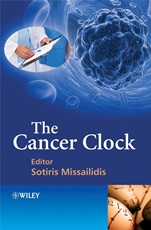
The Cancer Clock
ISBN 9780470061527
Autor: Sotiris Missailidis
Wydawca: Wiley
Dostępność: 3-6 tygodni
Cena: 341,25 zł
Przed złożeniem zamówienia prosimy o kontakt mailowy celem potwierdzenia ceny.
ISBN13: |
9780470061527 |
ISBN10: |
0470061529 |
Autor: |
Sotiris Missailidis |
Oprawa: |
Paperback |
Rok Wydania: |
2007-09-07 |
Ilość stron: |
320 |
Wymiary: |
243x168 |
Tematy: |
MJ |
The Cancer Clock is a comprehensive overview of cancer as a single topic and provides an all–encompassing account of the key aspects related to the disease from its causes and initial diagnosis through to treatment and care and the different support mechanisms available. Carefully divided into three key parts, the first part of the book focuses on the genesis of the disease through environmental, lifestyle and socioeconomic factors. The second part moves on to consider early disease, disease development, diagnosis, monitoring and imaging of the disease. The book then discusses standard treatments such as surgery, chemotherapy, radiotherapy and immunotherapy along with current developments in the field such as targeted therapeutics, antibody therapies and novel chemotherapy agents. The book closes with a discussion of patient care, pain control, nursing in cancer patients and rehabilitation processes and a final chapter that looks at the psychological and psychosocial aspects of the disease, from coping with the knowledge of having cancer to coping with the side effects of the treatments, family support and dedicated support groups.
Written in a clear, accessible manner this book is an ideal starting point for students of pharmacy, pharmacology, the biomedical sciences and other related disciplines where an understanding of cancer as a whole is required. takes an interdisciplinary approach covering the chemistry, epidemiology, basic biology and genetics, radiology, medical physics, medicine, nursing, health and social welfare all associated with cancer diagnosis, treatment and care.explains the various causes of cancer and suggests actions for the prevention of the disease.includes chapters on current diagnostic tests, drug development and the techniques used in drug design both chemical and biological.considers current experimental therapeutic and diagnostic approaches and their potential for future t
herapeutic development.examines aspects of cancer care, physiotherapy, rehabilitation and the psychological aspects of the diseaseincludes self assessment questions/answers, summary sections and review questions and information boxes to enhance student understanding.
Spis treści:
Preface.
List of Contributors.
1. Socioeconomic and molecular basis of cancer (David E. G. Shuker).
1.1 Introduction.
1.2 Diet and cancer.
1.3 Alcohol and cancer.
1.4 Tobacco and cancer.
1.5 Conclusions.
1.6 Self–assessment questions.
1.7 Further reading and resources.
2. Metal ions and Cancer (J. Anastassopoulou and A. Dovas).
2.1 Introduction.
2.2 Metal–DNA interactions.
2.3 Uranium–nucleotide interaction.
2.4 Toxicity and biological roles of copper.
2.5 Formation of free radicals by metal ions.
2.6 Radiolysis.
2.7 Biomolecular targets of free radicals.
2.8 Free radicals and metal ions in cancer.
2.9 Conclusions.
2.10 Self–assessment questions.
2.11 Further reading and resources.
3. Genetics and cancer (Sotiris Missailidis).
3.1 Introduction.
3.2 Genes and cancer.
3.3 Genomics.
3.3.1 Comparative genomics.
3.3.2 Oncogenomics.
3.3.3 Nutrigenomics.
3.4 Summary.
3.5 Self–assessment questions.
3.6 Further reading and resources.
4. Infection and cancer (Toni Aebischer and Thomas Rudel).
4.1 Viral infection as a cause of cancer.
4.1.1 Introduction.
4.1.2 Principles of oncogenic transformation by virus infection.
4.1.3 Human pathogenic viruses causing cancer.
4.2 Bacterial infection as a cause of cancer.
4.2.1 Introduction.
4.2.2 Bacterial infection causing malignancies: examples and evidence.
4.2.3 Common molecular machines linked to pathogenesis: Type 3 and 4 secretion systems.
4.2.4 Other bacterial effects potentially contributing to cancer.
4.2.
5 Anti–infection strategies to prevent infection related cancer.
4.3 Summary.
4.4 Self–assessment questions.
4.5 Further reading and resources.
5. Inflammation and cancer (Nigel Courtenay–Luck).
5.1 Introduction.
5.1.1 Acute inflammation.
5.1.2 Chronic inflammation.
5.2 Acute inflammation.
5.2.1 Mediators of acute inflammation.
5.3 Chronic inflammation.
5.4 Drugs used in inflammation and cancer.
5.4.1 COX–2 inhibitors.
5.4.2 Antihypertensive drugs.
5.5 Evidence for a molecular link between inflammation and cancer.
5.6 Clinical relationship between inflammatory disease and cancer.
5.6.1 Inflammatory bowel disease.
5.6.2 Prostate cancer.
5.7 Discussion.
5.8 Self–assessment questions.
5.9 Further reading and resources.
6. Cancer diagnosis (Anna Batistatou and Konstantinos Charalabopoulos).
6.1 Blood tests for tumour markers.
6.1.1 Established and novel tumour markers in serum.
6.1.2 Various types of tumour markers in use.
6.2 Urine tests for tumour markers.
6.3 Smear tests and their association with tumour development.
6.4 Histopathology.
6.4.1 Benign tumours.
6.4.2 Malignant tumours.
6.4.3 Features of cancerous cells.
6.4.4 Immunohistochemistry.
6.5 Summary.
6.6 Self–assessment questions.
6.7 Further reading and resources.
7. Tumour imaging and therapy (Alan C Perkins).
7.1 Introduction.
7.2 X–ray imaging.
7.2.1 Mammography.
7.2.2 X–ray CT.
7.3 Nuclear medicine.
7.3.1 The gamma camera.
7.3.2 Positron emission tomography.
7.3.3 Intra–operative probes.
7.4 Ultrasound imaging.
7.4.1 Colour doppler imaging.
7.5 Magnetic resonance imaging.
7.6 Radiation therapy.
7.6.1 Therapeutic nuclear medicine.
7.6.2 Brachytherapy.
7.6.3 External beam radiotherapy.
7.7 Conclusions.
7.8 Acknowledgement.
7.9 Self–assessment questio
ns.
7.10 Further reading and resources.
8. Surgery (Bassam Zeina).
8.1 Introduction.
8.1.1 What is surgery?
8.1.2 What is cancer surgery?
8.1.3 Who deals with cancer surgery?
8.1.4 Aims of cancer surgery.
8.2 Cancer surgery as a diagnostic procedure.
8.3 Cancer surgery as a preventive method against cancer.
8.4 Cancer surgery as a treatment or part of the treatment.
8.4.1 Surgery as a primary treatment.
8.4.2 Cancer staging.
8.4.3 Debulking (cytoreductive) surgery.
8.4.4 Palliative surgery (relieving symptoms or side effects).
8.5 Classic/traditional cancer surgery.
8.6 Other common techniques in cancer surgery.
8.6.1 Electrosurgery.
8.6.2 Cryosurgery.
8.6.3 Laser surgery and photo dynamic therapy (PDT).
8.6.4 Mohs’ micrographic surgery.
8.6.5 Laparoscopic surgery.
8.6.6 Image–guided surgery.
8.7 Before and after cancer surgery.
8.7.1 Preparation for the surgery.
8.7.2 Anaesthesia.
8.7.3 Recovery.
8.8 Cancer surgery associated risks.
8.9 Informed consent.
8.10 Summary.
8.11 Self–assessment questions.
8.12 Further reading and resources.
9. Anticancer therapeutics (Teni Boulikas, Nassos Alevizopoulos, Angela Ladopoulou, Maria Belimezi, Alexandros Pantos, Petros Christofis and Michael Roberts).
9.1 Introduction.
9.1.1 Problems in cancer.
9.1.2 Cancer treatments.
9.1.3 Classification of chemotherapy drugs.
9.2 Platinum drugs.
9.2.1 Cisplatin.
9.2.2 LipoplatinTM.
9.2.3 Carboplatin.
9.2.4 Oxaliplatin.
9.2.5 New platinum compounds.
9.3 Antimicrotubule agents.
9.3.1 Taxanes.
9.3.2 Vinca alkaloids.
9.4 Antimetabolites.
9.4.1 5–Fluorouracil.
9.4.2 Xeloda (capecitabine).
9.4.3 Structure of gemcitabine.
9.5 Antitumour antibiotics.
9.5.1 Actinomycin D.
9.5.2 Mitomycin C.
9.5.3 Bleomycin.
9.5.4 Anthracyclines.
9.5.5 Podophyllotoxins.
9.5.6 Camptothecin
Koszyk
Książek w koszyku: 0 szt.
Wartość zakupów: 0,00 zł
Informacje


Kontakt
Gambit
Centrum Oprogramowania
i Szkoleń Sp. z o.o.
Al. Pokoju 29b/22-24
31-564 Kraków
Siedziba Księgarni
ul. Kordylewskiego 1
31-542 Kraków
+48 12 410 5991
+48 12 410 5987
+48 12 410 5989
Subskrypcje
Administratorem danych osobowych jest firma Gambit COiS Sp. z o.o. Na podany adres będzie wysyłany wyłącznie biuletyn informacyjny.
Autoryzacja płatności

Informacje na temat autoryzacji płatności poprzez PayU.

© Copyright 2012: GAMBIT COiS Sp. z o.o. Wszelkie prawa zastrzeżone.
Projekt i wykonanie: Alchemia Studio Reklamy