


Wydawcy
Katalog tematyczny
- Archeologia (109)
- Ekonomia, finanse, business (13704)
- Filozofia (1445)
- Historia (3040)
- Języki i językoznawstwo (2356)
- Lifestyle, hobby i rozrywka (475)
- Medycyna (9704)
- Chirurgia (272)
- Inne gałęzie medycyny (1871)
- Medycyna kliniczna (4187)
- Medycyna niekonwencjonalna (14)
- Medycyna przedkliniczna (269)
- Medycyna, ogólnie (1740)
- Historia medycyny (3)
- Lekarze, sprawy zawodowe (8)
- Medycyna, aspekty prawne (10)
- Służba zdrowia (36)
- Wyposażenie medyczne (157)
- Zdrowie publiczne (460)
- Medyczne służby pomocnicze (745)
- Studia medyczne (16)
- Weterynaria (548)
- Nauki humanistyczne (4)
- Nauki o Ziemi i środowisku (2638)
- Nauki ścisłe (20412)
- Nauki społeczne (8486)
- Nauki techniczne (13450)
- Prawo (1696)
- Publikacje informacyjne i interdyscyplinarne (1288)
- Religia i wierzenia (917)
- Technika komputerowa (4067)
- Zdrowie, relacje międzyludzkie i rozwój osobisty (657)





Informacje szczegółowe o książce
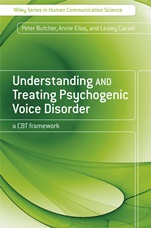
Understanding and Treating Psychogenic Voice Disorder: A CBT Framework
ISBN 9780470061220
Autor: Peter Butcher, Annie Elias, Lesley Cavalli
Wydawca: Wiley
Dostępność: 3-6 tygodni
Cena: 406,35 zł
Przed złożeniem zamówienia prosimy o kontakt mailowy celem potwierdzenia ceny.
ISBN13: |
9780470061220 |
ISBN10: |
0470061227 |
Autor: |
Peter Butcher, Annie Elias, Lesley Cavalli |
Oprawa: |
Paperback |
Rok Wydania: |
2007-03-16 |
Ilość stron: |
238 |
Wymiary: |
229x152 |
Tematy: |
MB |
This book provides a step–by–step guide to understanding and treating psychogenic voice disorder by combining speech and language therapy with skills drawn from the field of cognitive behaviour therapy (CBT).
Beginning with a new classification of psychogenic voice disorder, the authors then provide a description of the CBT model and give helpful and systematic guidelines on using this approach in combination with speech and language therapy skills. They provide invaluable guidance on how to extend the standard voice case history to include a psychosocial assessment, and how to apply symptomatic voice therapy principles and techniques for this patient population.
Later chapters show how to assess and work with patients suffering from symptoms of anxiety and lowered mood, and how to understand and respond to various forms of psychopathology that may present in association with voice disorder. Finally, detailed case studies illustrate how an experienced therapist might respond to individual assessment and treatment challenges. Many of the assessment and therapy tools described are available at
Understanding and Treating Psychogenic Voice Disorder provides a comprehensive description and methodology for speech and language therapists, ENT specialists working in voice, and all academics studying the voice. It also makes an ideal introduction for clinical psychologists who wish to expand their experience in this field.
Spis treści:
About the Authors.
Foreword.
Foreword.
Preface.
Acknowledgements.
1 Psychogenic Voice Disorders – A New Model.
2 Introducing the Cognitive Behaviour Therapy Model.
3 Cognitive Behaviour Therapy: Essential Assessment Principles and Therapist Skills.
4 Assessment of Voice and Personal History.
5 Symptomatic Voice Therapy Approaches.
6 Assessing Anxiety in Voice Patients.
7 Treating Anxiety in Voice Patients.
8 Treating Lowered Mood in Voice P
atients.
9 Psychological Disorders: Deciding When Not to Treat.
10 Case Studies.
References.
Index.
Nota biograficzna:
Peter Butcher BA (Hons), MPsychol, CPsychol, Associate Fellow of the British Psychological Society(AFBsPS); and an accredited member of the British Association of Behavioural and Cognitive Psychotherapies (the BABCP).
Peter has experience working as a cognitive behaviour therapist since the 1970s, a special interest in sharing psychological skills with others, and 20 years association with speech and language therapists working with psychogenic voice disorders. Peter has published widely in international journals on CBTand related subjects, including psychogenic voice, and he has presented papers on these subjects at national and international conferences.
In thefieldof trainingnon–psychologists inthe useofpsychologicalmethods, Peter has co–edited Sharing Psychological Skills, a special issue of the British Journal of Medical Psychology in 1985. In the area of psychogenic voice disorders, Peter has authored or co–authored a number of research and theoretical pages, as well as cowritten (with Annie Elias and Ruth Raven) Psychogenic Voice Disorder and Cognitive Behaviour Therapy (Whurr, 1993) and co–authored (with Lesley Cavalli) a case study of combined speech and language/psychological treatment in Wanting to Talk (Whurr, 1998).
Lesley Cavalli MSc BSc(Hons) CertMRCSLT, Specialist Speech and Language Therapist and Lecturer in Voice, Speech and Language Therapy Department, Great Ormond Street Hospital NHS Trust & Department of Human Communication Science, University College, London.
Lesley Cavalli currently combines her clinical work at Great Ormond Street Hospital with a lectureship in Voice at University College, London. She started her career as a Speech and Language Therapist in 1988 and has specialised in voice disorders in her clin
ical work, teaching and research for the past 16 years. Her current clinical post involves the tertiary assessment and treatment of children and young adults with a wide range of ENT–related conditions, including psychogenic voice disorders. She is the lead Speech and Language Therapist for the Joint PaediatricVoice Clinic at Great Ormond Street Hospital and Deputy Head of the Speech and Language Therapy Service.
Annie Elias, Specialist Speech and Language Therapist in Voice, The Kent and Canterbury Hospital.
Annie Elias has worked with children and adults with voice disorders since qualifying as a speech and language therapist in 1980. In her first post at The Royal London Hospital both Annie and her colleague Ruth Raven began working in a model of cotherapy sessions with Peter Butcher. Together they explored combining voice therapy with CBT and this led to several journal articles and an earlier text. Annie moved to Kent in 1986 to become Head of Speech and Language Therapy Services for part of East Kent. She has maintained a specialist clinical caseload in voice and is a visiting lecturer in Voice at University College, London.
Okładka tylna:
This book provides a step–by–step guide to understanding and treating psychogenic voice disorder by combining speech and language therapy with skills drawn from the field of cognitive behaviour therapy (CBT).
Beginning with a new classification of psychogenic voice disorder, the authors then provide a description of the CBT model and give helpful and systematic guidelines on using this approach in combination with speech and language therapy skills. They provide invaluable guidance on how to extend the standard voice case history to include a psychosocial assessment, and how to apply symptomatic voice therapy principles and techniques for this patient population.
Later chapters show how to assess and work with patients suffering from symptoms of anxiety and lowered
mood, and how to understand and respond to various forms of psychopathology that may present in association with voice disorder. Finally, detailed case studies illustrate how an experienced therapist might respond to individual assessment and treatment challenges. Many of the assessment and therapy tools described are available at
Understanding and Treating Psychogenic Voice Disorder provides a comprehensive description and methodology for speech and language therapists, ENT specialists working in voice, and all academics studying the voice. It also makes an ideal introduction for clinical psychologists who wish to expand their experience in this field.
Koszyk
Książek w koszyku: 0 szt.
Wartość zakupów: 0,00 zł
Informacje


Kontakt
Gambit
Centrum Oprogramowania
i Szkoleń Sp. z o.o.
Al. Pokoju 29b/22-24
31-564 Kraków
Siedziba Księgarni
ul. Kordylewskiego 1
31-542 Kraków
+48 12 410 5991
+48 12 410 5987
+48 12 410 5989
Subskrypcje
Administratorem danych osobowych jest firma Gambit COiS Sp. z o.o. Na podany adres będzie wysyłany wyłącznie biuletyn informacyjny.
Autoryzacja płatności

Informacje na temat autoryzacji płatności poprzez PayU.

© Copyright 2012: GAMBIT COiS Sp. z o.o. Wszelkie prawa zastrzeżone.
Projekt i wykonanie: Alchemia Studio Reklamy