


Wydawcy
Katalog tematyczny
- Archeologia (109)
- Ekonomia, finanse, business (13704)
- Filozofia (1445)
- Historia (3040)
- Języki i językoznawstwo (2356)
- Lifestyle, hobby i rozrywka (475)
- Medycyna (9704)
- Chirurgia (272)
- Inne gałęzie medycyny (1871)
- Medycyna kliniczna (4187)
- Medycyna niekonwencjonalna (14)
- Medycyna przedkliniczna (269)
- Medycyna, ogólnie (1740)
- Medyczne służby pomocnicze (745)
- Inżynieria biomedyczna (396)
- Okulistyka (1)
- Pielęgniarstwo (128)
- Położnictwo (10)
- Radiografia (2)
- Rehabilitacja (11)
- Terapia zajęciowa (2)
- Terapie specjalne (10)
- Studia medyczne (16)
- Weterynaria (548)
- Nauki humanistyczne (4)
- Nauki o Ziemi i środowisku (2638)
- Nauki ścisłe (20412)
- Nauki społeczne (8486)
- Nauki techniczne (13450)
- Prawo (1696)
- Publikacje informacyjne i interdyscyplinarne (1288)
- Religia i wierzenia (917)
- Technika komputerowa (4067)
- Zdrowie, relacje międzyludzkie i rozwój osobisty (657)





Informacje szczegółowe o książce
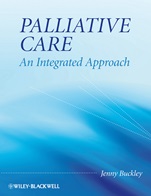
Palliative Care: An Integrated Approach
ISBN 9780470058855
Autor: Jenny Buckley
Wydawca: Wiley
Dostępność: 3-6 tygodni
Cena: 275,10 zł
Przed złożeniem zamówienia prosimy o kontakt mailowy celem potwierdzenia ceny.
ISBN13: |
9780470058855 |
ISBN10: |
0470058854 |
Autor: |
Jenny Buckley |
Oprawa: |
Paperback |
Rok Wydania: |
2008-09-26 |
Ilość stron: |
348 |
Wymiary: |
243x188 |
Tematy: |
MQ |
Palliative care is within the remit of all health care professionals in any setting. An Integrated Approach to Generic Palliative Care is an accessible practical guide to the delivery of good palliative care, combining theory and practice, aimed at all members of the multidisplinary team. It explains and complements the government led End of Life Care programme which is being coordinated by Strategic health Authorities, incorporating the Gold Standards Framework, the Preferred Place of Care and the Liverpool Care Pathway.
An integrated approach is advocated throughout this book– in all sections the orthodox approach to treatments and care is discussed alongside a complementary approach. This text provides a highly practical approach to pain and symptom approach support including a pain assessment tool for the severely cognitively impaired and a detailed account on how to titrate morphine to individual patients. It also explores hope and spiritual pain showing that these two existential notions are actually part of every day practice.
Spis treści:
Foreword.
Contributors’ biographies.
Acknowledgements.
Dedications.
1. Historical and cultural perspectives on the evolution of palliative care.
Key points.
Introduction.
Death in society.
Dame Cicely Saunders and the origins of contemporary palliative care.
An international perspective.
Definitions.
End–of–life care national programme.
Culture.
Service user involvement.
Conclusion.
Main implications for practice.
Suggested further reading.
2. Facing progressive disease and death.
Key points.
Psychosocial care.
Partnership – maintaining the balance.
Approaches to care.
Giving the bad news.
Denial/avoidance.
Anger.
Anxiety.
Depression.
Social pain.
Conclusion.
Main implications for practice.
Suggested further reading.
3. Communi
cation skills.
Key points.
The impact of good communication.
The impetus to teach communication skills.
Facilitative styles.
What Howard taught me about nursing dying people.
Helpful strategies.
Communicating with people with dementia.
Conclusion.
Main implications for practice.
Suggested further reading.
4. Self–awareness and self–care.
Key points.
Saving a life versus stealing a death.
Facing death.
Making space for decision–making.
Self–awareness.
How much did Nicky impact on my life?
Self–care.
Main implications for practice.
Suggested further reading.
5. The sick role and partnership working.
Key points.
Introduction.
Partnership care – what does it mean?
The sick role.
Face–to–face partnership: attention to information giving.
Written information.
Decision aids.
Special needs.
Conclusion.
Main implications for practice.
Suggested further reading.
6. Hope and spirituality.
Key points.
Introduction.
Hope research.
Spirituality.
Religious practices concerned with death.
Conclusion.
Main implications for practice.
Suggested further reading.
7. Finding resilience together.
Key points.
Resilience in health care.
Patient groups.
Psychoneuroimmunology.
The expert patient.
Conclusion.
Main implications for practice.
Suggested further reading.
8. Living with dying.
Key points.
Introduction.
Social death.
Vulnerable groups.
Informational needs.
Being heard and feeling supported.
Companionship.
Intimacy and caring.
Health needs.
Difficult thoughts and letting go.
Conclusion.
Main implications for practice.
Suggested further reading.
9. Bereavement.
Key points.
Definitions.
Untimely deaths.
Bereavement and health.
Grief theorists.
Mourning practices in different cultures
.
Bereaved children.
Old age.
Bereavement and dementia.
Solitary grief.
Bereavement services.
Conclusion.
Main implications for practice.
Suggested further reading.
10. Pain and other major symptoms: an integrated approach.
Key points.
Pain theories.
Psychological approaches.
Physical approaches.
Complementary therapies.
Creative therapies.
Conclusion.
Main implications for practice.
Suggested further reading.
11. The history of the use of strong opioids for cancer pain.
Key points.
Studies and narratives.
WHO analgesia ladder.
Side effects.
Alternative routes for administration of strong opioids.
Conclusion.
Main implications for practice.
Suggested further reading.
12. Concordance and advance care planning.
Key points.
Patient–centred care: concordance.
Advance care planning.
The Mental Capacity Act 2005.
Main implications for practice.
Suggested further reading.
13. Eleven prevalent symptoms.
Key points.
History.
Pain.
Nausea and vomiting.
Constipation.
Diarrhoea.
Anorexia.
Fatigue.
Breathlessness.
Confusion.
Insomnia.
Anxiety.
Depression.
Conclusion.
Main implications for practice.
Suggested further reading.
Addendum: Doloplus 2 Scale.
14. Palliative issues in some common diseases.
Key points.
Gold standard for all.
Doing the right thing at the right time.
Conclusion.
Main implications for practice.
Suggested further reading.
15. Palliative emergencies.
Key points.
Palliative emergencies.
Other symptoms.
Main implications for practice.
Suggested further reading.
References.
Index.
Nota biograficzna:
Jenny Buckley is Head of Education at St Wilfrid’s Hospice.
Okładka tylna:
Palliative care is within the remit of all health care professionals in any setting. An Int
egrated Approach to Generic Palliative Care is an accessible practical guide to the delivery of good palliative care, combining theory and practice, aimed at all members of the multidisplinary team. It explains and complements the government led End of Life Care programme which is being coordinated by Strategic health Authorities, incorporating the Gold Standards Framework, the Preferred Place of Care and the Liverpool Care Pathway.
An integrated approach is advocated throughout this book– in all sections the orthodox approach to treatments and care is discussed alongside a complementary approach. This text provides a highly practical approach to pain and symptom approach support including a pain assessment tool for the severely cognitively impaired and a detailed account on how to titrate morphine to individual patients. It also explores hope and spiritual pain showing that these two existential notions are actually part of every day practice.
Koszyk
Książek w koszyku: 0 szt.
Wartość zakupów: 0,00 zł
Informacje


Kontakt
Gambit
Centrum Oprogramowania
i Szkoleń Sp. z o.o.
Al. Pokoju 29b/22-24
31-564 Kraków
Siedziba Księgarni
ul. Kordylewskiego 1
31-542 Kraków
+48 12 410 5991
+48 12 410 5987
+48 12 410 5989
Subskrypcje
Administratorem danych osobowych jest firma Gambit COiS Sp. z o.o. Na podany adres będzie wysyłany wyłącznie biuletyn informacyjny.
Autoryzacja płatności

Informacje na temat autoryzacji płatności poprzez PayU.

© Copyright 2012: GAMBIT COiS Sp. z o.o. Wszelkie prawa zastrzeżone.
Projekt i wykonanie: Alchemia Studio Reklamy