


Wydawcy
Katalog tematyczny
- Archeologia (94)
- Ekonomia, finanse, business (11664)
- Filozofia (1411)
- Historia (2972)
- Języki i językoznawstwo (2311)
- Lifestyle, hobby i rozrywka (411)
- Medycyna (5054)
- Chirurgia (43)
- Inne gałęzie medycyny (348)
- Medycyna kliniczna (2444)
- Choroby wewnętrzne (10)
- Dermatologia (15)
- Diagnostyka medyczna (1)
- Geriatria (1)
- Hematologia (1)
- Kardiologia (1)
- Nefrologia (3)
- Neurologia (6)
- Urologia (2)
- Medycyna niekonwencjonalna (11)
- Medycyna przedkliniczna (36)
- Medycyna, ogólnie (1370)
- Medyczne służby pomocnicze (272)
- Studia medyczne (5)
- Weterynaria (500)
- Nauki humanistyczne (2)
- Nauki o Ziemi i środowisku (1033)
- Nauki ścisłe (10004)
- Nauki społeczne (6049)
- Nauki techniczne (5313)
- Prawo (160)
- Publikacje informacyjne i interdyscyplinarne (706)
- Religia i wierzenia (900)
- Technika komputerowa (2101)
- Zdrowie, relacje międzyludzkie i rozwój osobisty (632)





Informacje szczegółowe o książce
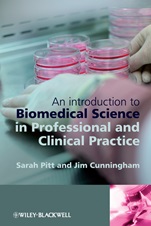
An Introduction to Biomedical Science in Professional and Clinical Practice
ISBN 9780470057155
Autor: Sarah Jane Pitt, Jim Cunningham
Wydawca: Wiley
Dostępność: 3-6 tygodni
Cena: 248,85 zł
Przed złożeniem zamówienia prosimy o kontakt mailowy celem potwierdzenia ceny.
ISBN13: |
9780470057155 |
ISBN10: |
0470057157 |
Autor: |
Sarah Jane Pitt, Jim Cunningham |
Oprawa: |
Paperback |
Rok Wydania: |
2009-03-06 |
Ilość stron: |
240 |
Wymiary: |
242x172 |
Tematy: |
MJ |
This book provides an introduction to the biomedical science profession in the UK. Aimed at trainee biomedical scientists, it brings together all the subjects which trainees need to be aware of to meet the standards required by the Health Professions Council for registration. These include professional topics, laws and guidelines governing clinical pathology, continuing professional development, basic laboratory techniques and an overview of each pathology discipline.
Clearly structured throughout, the book carefully guides trainees through each topic, and is intended to help students at any stage of training and in any pathology discipline(s) to think creatively about how to gather evidence of their understanding and professional competence. By referring to specialist sources of information in each area, students are able to explore particular topics in more depth and keep up to date with professional and legal changes.
To reinforce key concepts, self assessment quizzes are included at the end of each chapter alongside suggested exercises in each topic which can be used to gather evidence of knowledge and competency.
• Includes exercises throughout the text with examples of coursework and self
assessment questions.
• Includes summary boxes with key facts, ideas for small group/tutorial discussions and
further references to key websites and relevant texts.
• Suitable for either undergraduates following an accredited biomedical sciences BSc,
graduate trainees or experienced staff with overseas qualifications.
• Covers basic biomedical techniques common to all pathology disciplines.
Spis treści:
Preface.
Acknowledgements.
1 Introduction to a career as a biomedical scientist.
1.1 What is a biomedical scientist?
1.2 Early development of clinical laboratory sciences.
1.3 Development of the biomedical science profession.
1.4 R
ole of the IBMS as the professional body for biomedical scientists in the 21st Century.
1.5 Health Professions Council.
1.6 Education and training for biomedical scientists.
1.7 Codes of conduct.
1.8 Conclusion.
2 Organization of pathology departments and the role of pathology in healthcare.
2.1 Introduction.
2.2 Organization of pathology departments.
2.3 Staff groups within pathology.
2.4 Role of pathology in healthcare.
2.5 Users of the service.
2.6 Evidence–based laboratory medicine.
2.7 Improving the pathology service.
2.8 Point of care testing (POCT).
2.9 Role of POCT in patient care.
2.10 Conclusion.
3 Communication for biomedical scientists.
3.1 Introduction.
3.2 Communicating as a scientist.
3.3 Communicating as a healthcare professional.
3.4 Delivering the message: applying principles of effective communication.
3.5 Communication techniques
3.6 Conclusion.
4 Quality management in the clinical laboratory.
4.1 Introduction.
4.2 Quality in pathology.
4.3 Quality Control.
4.4 Quality Assurance.
4.5 Quality assessment.
4.6 Quality audit.
4.7 Clinical governance.
4.8 Quality management system (QMS).
4.9 Accreditation.
4.10 Factors affecting the quality of work in a pathology laboratory.
5 Basic principles of working in a clinical pathology laboratory.
5.1 Introduction.
5.2 Working as a professional biomedical scientist in the laboratory.
5.3 Flow of work in a clinical laboratory.
5.4 Health and safety in the clinical laboratory.
5.5 Confidentiality, the Data Protection Act 1998 and the Caldicott Principles.
6 Introduction to the biomedical science disciplines.
6.1 Introduction.
6.2 Haematology and transfusion science.
6.3 Clinical biochemistry.
6.4 Histopathology and cytopathology.
6.5 Medical microbiology.
6.6 Liaison between pathology disciplines.
6.7 Evaluation of a new diagnostic
test.
6.8 Sensitivity and specificity of an assay.
7 Biomedical science laboratory techniques.
7.1 Introduction.
7.2 Haematology.
7.3 Clinical chemistry.
7.4 Medical microbiology.
7.5 Histopathology.
8 Development of knowledge and competency for biomedical scientists.
8.1 Introduction.
8.2 Gathering evidence of knowledge and competency for HPC registration.
8.3 Continuing professional development.
8.4 Professional body support for CPD.
8.5 Reflective practice for biomedical scientists.
8.6 Approaches to reflective practice.
8.7 Critical incident analysis.
8.8 Learning styles.
8.9 Planning a career as a biomedical scientist; generic skills and employability.
8.10 Conclusion.
Index.
Okładka tylna:
This book provides an introduction to the biomedical science profession in the UK. Aimed at trainee biomedical scientists, it brings together all the subjects which trainees need to be aware of to meet the standards required by the Health Professions Council for registration. These include professional topics, laws and guidelines governing clinical pathology, continuing professional development, basic laboratory techniques and an overview of each pathology discipline.
Clearly structured throughout, the book carefully guides trainees through each topic, and is intended to help students at any stage of training and in any pathology discipline(s) to think creatively about how to gather evidence of their understanding and professional competence. By referring to specialist sources of information in each area, students are able to explore particular topics in more depth and keep up to date with professional and legal changes.
To reinforce key concepts, self assessment quizzes are included at the end of each chapter alongside suggested exercises in each topic which can be used to gather evidence of knowledge and competency.
• Includes exercises throughout the text with
examples of coursework and self
assessment questions.
• Includes summary boxes with key facts, ideas for small group/tutorial discussions and
further references to key websites and relevant texts.
• Suitable for either undergraduates following an accredited biomedical sciences BSc,
graduate trainees or experienced staff with overseas qualifications.
• Covers basic biomedical techniques common to all pathology disciplines.
Koszyk
Książek w koszyku: 0 szt.
Wartość zakupów: 0,00 zł
Informacje


Kontakt
Gambit
Centrum Oprogramowania
i Szkoleń Sp. z o.o.
Al. Pokoju 29b/22-24
31-564 Kraków
Siedziba Księgarni
ul. Kordylewskiego 1
31-542 Kraków
+48 12 410 5991
+48 12 410 5987
+48 12 410 5989
Subskrypcje
Administratorem danych osobowych jest firma Gambit COiS Sp. z o.o. Na podany adres będzie wysyłany wyłącznie biuletyn informacyjny.
Autoryzacja płatności

Informacje na temat autoryzacji płatności poprzez PayU.

© Copyright 2012: GAMBIT COiS Sp. z o.o. Wszelkie prawa zastrzeżone.
Projekt i wykonanie: Alchemia Studio Reklamy