


Wydawcy
Katalog tematyczny
- Archeologia (109)
- Ekonomia, finanse, business (13704)
- Filozofia (1445)
- Historia (3040)
- Języki i językoznawstwo (2356)
- Lifestyle, hobby i rozrywka (475)
- Medycyna (9704)
- Nauki humanistyczne (4)
- Nauki o Ziemi i środowisku (2638)
- Nauki ścisłe (20412)
- Nauki społeczne (8486)
- Edukacja (229)
- Kryminologia, opieka spełeczna (284)
- Obronność (10)
- Polityka (1389)
- Psychologia (777)
- Socjologia (410)
- Społeczeństwo i kultura (187)
- Nauki techniczne (13450)
- Prawo (1696)
- Publikacje informacyjne i interdyscyplinarne (1288)
- Religia i wierzenia (917)
- Technika komputerowa (4067)
- Zdrowie, relacje międzyludzkie i rozwój osobisty (657)





Informacje szczegółowe o książce
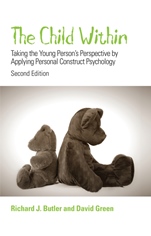
The Child Within: Taking the Young Persons Perspective by Applying Personal Construct Psychology
ISBN 9780470029985
Autor: Richard Butler, David R. Green
Wydawca: Wiley
Dostępność: 3-6 tygodni
Cena: 241,50 zł
Przed złożeniem zamówienia prosimy o kontakt mailowy celem potwierdzenia ceny.
ISBN13: |
9780470029985 |
ISBN10: |
0470029986 |
Autor: |
Richard Butler, David R. Green |
Oprawa: |
Paperback |
Rok Wydania: |
2007-07-27 |
Numer Wydania: |
2nd Edition |
Ilość stron: |
246 |
Wymiary: |
226x157 |
Tematy: |
JC |
‘This book is the long awaited follow up to Richard Butler and David Green’s widely read The Child Within. Their new book addresses a broader range of issues in greater depth. It shows how personal construct theory can be used creatively, yet rigorously, to make sense of the confusing worlds of children in distress. For all who work with troubled children this book is essential reading.’
Professor Alan Carr, Director of the Doctoral Programme and Professor of Clinical Psychology, University College Dublin, Ireland
Many children and young people either appear troubled or are troubling to others. Sometimes their nature and behaviour can be intimidating, confusing or mystifying. Drawing on the ideas and principles of Personal Construct Theory this book helps to develop a deeper understanding of the way children make sense of their world and themselves and offers the reader interesting solutions for resolving the dilemmas faced by such children. The practical applications of this useful theory are illustrated and developed in the text using interesting case examples coupled with the authors’ solid research foundations.
Each chapter from the first edition has been expanded and re–structured in the light of fresh ideas and practices. There are seven new chapters which cover self construing, developing a credulous approach, core construing, exploring friendships, facilitating change and looking at the evidence base. There is also a guest chapter by Harry Procter on working with families.
This much–needed second edition is an essential resource for clinical psychologists, counsellors, psychotherapists, medical staff, educational psychologists, teachers, mentors, probation workers, paediatricians, nursing staff, social workers, parents and all those interested in understanding and helping troubled and troubling children.
Spis treści:
About the Authors.
Influence
s.
Foreword.
Acknowledgements.
1. Fundamental principles.
2. Adopting a credulous approach.
3. The framework of personal construct theory.
4. Discover Children′s construing.
5. The exploration of self.
6. Core construing.
7. Performance and competence.
8. The growth of sociality.
9. Troublesome behavior.
10. Exploring avenues of change.
11. Being in trouble with the law.
12. Exploring illness.
13. Construing within the family (Harry Procter)
14. An evidence base.
References.
Author Index.
Subject Index.
Nota biograficzna:
Richard Butler is a Consultant Clinical Psychologist with the child and adolescent mental health services in Leeds and an Honorary Lecturer at the University of Leeds. He qualified at Bristol University, undertook clinical practice at High Royds Hospital working alongside Don Bannister, participated as a sports psychologist with the British Olympic Association, worked with the World Health Organization on structuring assessment and treatment approaches for nocturnal enuresis and is involved with the Avon longitudinal Survey of Parents and Children in researching preventative strategies in child health. Throughout his work he has sought to draw on the principles of personal construct theory to help people enhance their psychological functioning. He is the creator of performance profiling, a methods of enhancing sporting performance; co–author of the three systems approach to understanding and treating nocturnal enuresis; and more latterly developed the Self Image Profile as a means of understanding and assessing how children and adults construe themselves. Amongst his other interests is the active study of consistently poor golf, collecting vinyl records and suffering the trauma of supporting Huddersfield Town.
David Green is Clinical Director of the Doctor of Clinical Psychology training programme at the University of Leeds. He has worked w
ith children and adolescents and their families for over 30 years and currently contributes clinical psychology support to the paediatric oncology service at St James University Hospital in Leeds. He is a long–standing Kellyan and has written and presented a series of papers on personal construct approaches to therapeutic work with young people on topics such as fixed role therapy and paediatric health care. He also has a keen interest in the processes of professional training, especially the role of clinical supervision.
Okładka tylna:
‘This book is the long awaited follow up to Richard Butler and David Green’s widely read The Child Within. Their new book addresses a broader range of issues in greater depth. It shows how personal construct theory can be used creatively, yet rigorously, to make sense of the confusing worlds of children in distress. For all who work with troubled children this book is essential reading.’
Professor Alan Carr, Director of the Doctoral Programme and Professor of Clinical Psychology, University College Dublin, Ireland
Many children and young people either appear troubled or are troubling to others. Sometimes their nature and behaviour can be intimidating, confusing or mystifying. Drawing on the ideas and principles of Personal Construct Theory this book helps to develop a deeper understanding of the way children make sense of their world and themselves and offers the reader interesting solutions for resolving the dilemmas faced by such children. The practical applications of this useful theory are illustrated and developed in the text using interesting case examples coupled with the authors’ solid research foundations.
Each chapter from the first edition has been expanded and re–structured in the light of fresh ideas and practices. There are seven new chapters which cover self construing, developing a credulous approach, core construi
ng, exploring friendships, facilitating change and looking at the evidence base. There is also a guest chapter by Harry Procter on working with families.
This much–needed second edition is an essential resource for clinical psychologists, counsellors, psychotherapists, medical staff, educational psychologists, teachers, mentors, probation workers, paediatricians, nursing staff, social workers, parents and all those interested in understanding and helping troubled and troubling children.
Koszyk
Książek w koszyku: 0 szt.
Wartość zakupów: 0,00 zł
Informacje


Kontakt
Gambit
Centrum Oprogramowania
i Szkoleń Sp. z o.o.
Al. Pokoju 29b/22-24
31-564 Kraków
Siedziba Księgarni
ul. Kordylewskiego 1
31-542 Kraków
+48 12 410 5991
+48 12 410 5987
+48 12 410 5989
Subskrypcje
Administratorem danych osobowych jest firma Gambit COiS Sp. z o.o. Na podany adres będzie wysyłany wyłącznie biuletyn informacyjny.
Autoryzacja płatności

Informacje na temat autoryzacji płatności poprzez PayU.

© Copyright 2012: GAMBIT COiS Sp. z o.o. Wszelkie prawa zastrzeżone.
Projekt i wykonanie: Alchemia Studio Reklamy