


Wydawcy
Katalog tematyczny
- Archeologia (109)
- Ekonomia, finanse, business (13704)
- Filozofia (1445)
- Historia (3040)
- Języki i językoznawstwo (2356)
- Lifestyle, hobby i rozrywka (475)
- Medycyna (9704)
- Nauki humanistyczne (4)
- Nauki o Ziemi i środowisku (2638)
- Nauki ścisłe (20412)
- Astronomia (294)
- Biologia (5119)
- Chemia (6540)
- Chemia analityczna (361)
- Chemia fizyczna (346)
- Chemia nieorganiczna (137)
- Chemia organiczna (535)
- Krystalografia (27)
- Minerologia (46)
- Fizyka (3309)
- Matematyka (4574)
- Nauki ścisłe, ogólnie (503)
- Nauki społeczne (8486)
- Nauki techniczne (13450)
- Prawo (1696)
- Publikacje informacyjne i interdyscyplinarne (1288)
- Religia i wierzenia (917)
- Technika komputerowa (4067)
- Zdrowie, relacje międzyludzkie i rozwój osobisty (657)





Informacje szczegółowe o książce
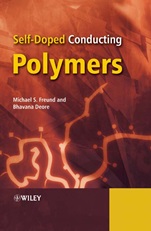
Self–Doped Conducting Polymers
ISBN 9780470029695
Autor: Michael S. Freund, Bhavana A. Deore
Wydawca: Wiley
Dostępność: 3-6 tygodni
Cena: 751,80 zł
Przed złożeniem zamówienia prosimy o kontakt mailowy celem potwierdzenia ceny.
ISBN13: |
9780470029695 |
ISBN10: |
0470029692 |
Autor: |
Michael S. Freund, Bhavana A. Deore |
Oprawa: |
Hardback |
Rok Wydania: |
2007-02-16 |
Ilość stron: |
338 |
Wymiary: |
233x165 |
Tematy: |
PN |
The excitement surrounding organic conducting polymers has resulted from the tremendous possibilities presented by the merging of the vast knowledge base of organic chemistry and polymer science with the critically important areas of electronic materials and solid–state physics. This rapidly growing field presents opportunities for revolutionizing material science and electronics in ways we are just beginning to imagine.
One particularly important area has been the functionalization of organic conducting polymers. Organic conducting polymers that contain covalently bound, charged functional groups that in turn have an impact on the properties of the polymer are referred to as “self–doped” conducting polymers. In particular, the presence of these groups can alter the stability of the doped structure as well as influence the nature of charge compensation and ion movement during redox switching. Since the discovery of this class of conducting polymer there has been a growing recognition of its importance and potential impact on a wide range of technologies ranging from electrochromic devices to batteries. As a result, there are an increasing number of researchers and companies focused on the creation and implementation of this type of conducting polymer.
The purpose of this book is to cover the rapidly developing area of self–doped conducting polymers, with the goal of describing the wide range of approaches that have been developed to synthesize, characterize and utilize them. Our intent is to provide an up–to–date, detailed overview of developments in the field and in turn provide researchers and students from many disciplines with a useful reference book. Aimed at sectors where conducting polymers are used, including the rapidly growing area of organic light–emitting diodes, the book will be invaluable to researchers in academic, government and industrial laboratories worldwide.
Spis treści:
1. Introduction.
1.1 Conducting Polymers.
1.2 What Are Self–doped Conducting Polymers?
1.3 Types of Self–doped Polymers.
1.4 Doping Mechanism in Self–doped Polymers.
1.5 Effect of Substituents on Properties of Polymer.
1.6 Applications of Self–doped Polymers.
References.
2. Self–doped Derivatives of Polyaniline.
2.0 Introduction.
2.1 Chemical Synthesis of Sulfonic Acid Derivatives.
2.2 Electrochemical Synthesis of Sulfonic Acid Derivatives.
2.3 Enzymatic Synthesis of Sulfonic Acid Derivatives.
2.4 Properties of Sulfonic Acid Derivatives.
2.5 Synthesis and Characterization of Carboxyl Acid Derivatives.
2.6 Synthesis and Characterization of Phosphonic Acid Derivatives.
2.7 Self–doped Polyaniline Nanostructures.
References.
3. Boronic acid Substituted Self–doped Polyaniline.
3.1 Introduction.
3.2 Synthesis.
3.3 Properties of Self–doped PABA.
3.4 Self–Cross–Linked Self–doped Polyaniline.
3.5 Applications.
References.
4. Self–doped Polythiophenes.
4.1 Sulfonic Acid Derivatives.
4.2 Carboxylate Derivatives.
4.3 Phosphanate Derivatives.
References.
5. Miscellaneous Self–doped Polymers.
5.1 Self–doped Sulfonated Polypyrrole.
5.2 Carboxyl Acid Derivative.
5.3 Self–doped Poly(3,6–carbaz–9–yl)propanesulfonate.
5.4 Self–doped Poly(p–phenylenes).
5.5Self–doped Polyphenylenevinylene.
5.6 Self–doped Poly(indole–5–carboxylic acid).
5.7 Self–doped Ionically Conducting Polymers.
References.
Okładka tylna:
The excitement surrounding organic conducting polymers has resulted from the tremendous possibilities presented by the merging of the vast knowledge base of organic chemistry and polymer science with the critically important areas of electronic mater
ials and solid–state physics. This rapidly growing field presents opportunities for revolutionizing material science and electronics in ways we are just beginning to imagine.
One particularly important area has been the functionalization of organic conducting polymers. Organic conducting polymers that contain covalently bound, charged functional groups that in turn have an impact on the properties of the polymer are referred to as “self–doped” conducting polymers. In particular, the presence of these groups can alter the stability of the doped structure as well as influence the nature of charge compensation and ion movement during redox switching. Since the discovery of this class of conducting polymer there has been a growing recognition of its importance and potential impact on a wide range of technologies ranging from electrochromic devices to batteries. As a result, there are an increasing number of researchers and companies focused on the creation and implementation of this type of conducting polymer.
The purpose of this book is to cover the rapidly developing area of self–doped conducting polymers, with the goal of describing the wide range of approaches that have been developed to synthesize, characterize and utilize them. Our intent is to provide an up–to–date, detailed overview of developments in the field and in turn provide researchers and students from many disciplines with a useful reference book. Aimed at sectors where conducting polymers are used, including the rapidly growing area of organic light–emitting diodes, the book will be invaluable to researchers in academic, government and industrial laboratories worldwide.
Koszyk
Książek w koszyku: 0 szt.
Wartość zakupów: 0,00 zł
Informacje


Kontakt
Gambit
Centrum Oprogramowania
i Szkoleń Sp. z o.o.
Al. Pokoju 29b/22-24
31-564 Kraków
Siedziba Księgarni
ul. Kordylewskiego 1
31-542 Kraków
+48 12 410 5991
+48 12 410 5987
+48 12 410 5989
Subskrypcje
Administratorem danych osobowych jest firma Gambit COiS Sp. z o.o. Na podany adres będzie wysyłany wyłącznie biuletyn informacyjny.
Autoryzacja płatności

Informacje na temat autoryzacji płatności poprzez PayU.

© Copyright 2012: GAMBIT COiS Sp. z o.o. Wszelkie prawa zastrzeżone.
Projekt i wykonanie: Alchemia Studio Reklamy