


Wydawcy
Katalog tematyczny
- Archeologia (109)
- Ekonomia, finanse, business (13704)
- Filozofia (1445)
- Historia (3040)
- Języki i językoznawstwo (2356)
- Lifestyle, hobby i rozrywka (475)
- Medycyna (9704)
- Chirurgia (272)
- Inne gałęzie medycyny (1871)
- Medycyna kliniczna (4187)
- Medycyna niekonwencjonalna (14)
- Medycyna przedkliniczna (269)
- Medycyna, ogólnie (1740)
- Historia medycyny (3)
- Lekarze, sprawy zawodowe (8)
- Medycyna, aspekty prawne (10)
- Służba zdrowia (36)
- Wyposażenie medyczne (157)
- Zdrowie publiczne (460)
- Medyczne służby pomocnicze (745)
- Studia medyczne (16)
- Weterynaria (548)
- Nauki humanistyczne (4)
- Nauki o Ziemi i środowisku (2638)
- Nauki ścisłe (20412)
- Nauki społeczne (8486)
- Nauki techniczne (13450)
- Prawo (1696)
- Publikacje informacyjne i interdyscyplinarne (1288)
- Religia i wierzenia (917)
- Technika komputerowa (4067)
- Zdrowie, relacje międzyludzkie i rozwój osobisty (657)





Informacje szczegółowe o książce
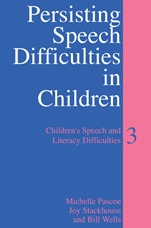
Persisting Speech Difficulties in Children: Childrens Speech and Literacy Difficulties
ISBN 9780470027448
Autor: Michelle Pascoe, Joy Stackhouse, Bill Wells
Wydawca: Wiley
Dostępność: 3-6 tygodni
Cena: 364,35 zł
Przed złożeniem zamówienia prosimy o kontakt mailowy celem potwierdzenia ceny.
ISBN13: |
9780470027448 |
ISBN10: |
0470027444 |
Autor: |
Michelle Pascoe, Joy Stackhouse, Bill Wells |
Oprawa: |
Paperback |
Rok Wydania: |
2006-06-16 |
Ilość stron: |
462 |
Wymiary: |
228x165 |
Tematy: |
MB |
Children with persisting speech difficulties present great challenges for managers, therapists, teachers and psychologists. This third book in the Children’s Speech and Literacy Difficulties series is based on research and practice with school–age children with persisting speech and associated difficulties. It focuses on the psycholinguistic nature of their difficulties, how to design intervention programmes and how intervention outcomes might be measured.
In order to effectively treat school–age children with longstanding speech difficulties practitioners need to draw on a variety of approaches, e.g. combining a psycholinguistic approach with a linguistic (or more specifically, phonological) approach. Theory and therapy are inseparable and our knowledge of theory needs to be used to drive therapy. In turn, therapy outcomes can inform our theoretical knowledge. In order to build evidence–based programmes, we need to evaluate therapy outcomes using wide–ranging outcomes measures that can evaluate change at a variety of levels. Case studies are a useful way forward in learning more about children with speech difficulties and how to support them.
Persisting Speech Difficulties in Children:serves as a practical handbook, containing useful word lists, tips and sheets for photocopying. provides a means of accessing a wide range of literature. Each chapter summarises recent research findings and closes with a bulleted summary of main points.gives an explanation of the psycholinguistic approach and how to implement it, and integrate it with other approaches.trains readers in research design for evidence–based practice. This includes stimuli design and selection, intervention design and scoring procedures.shares case studies, outlining what was done with specific children. These cases do not necessari
ly say how intervention should be done but rather aim to give examples of how therapy can be done and used to make comparisons with other approaches. motivates changes to service delivery for children with persisting speech difficulties.
It is a must have reference book for Speech and Language Therapists and Pathologists, researchers and students of Speech and Language.
Spis treści:
Foreword.
Preface.
Acknowledgements.
Chapter 1: Persisting Speech Difficulties.
Chapter 2: Theory, Therapy and Methodology.
Chapter 3: Stimuli Design: Segments in Single Words.
Chapter 4: Working on Segments in Single Words.
Chapter 5: Stimuli Design: Consonant Clusters in Single Words.
Chapter 6: Working on Consonant Clusters.
Chapter 7: Stimuli Design: Connected Speech.
Chapter 8: Working on Connected Speech.
Chapter 9: Generalisation.
Chapter 10: Linking with Literacy.
Chapter 11: Intelligibility.
Chapter 12: Evaluating Intervention Outcomes.
Chapter 13: Service Delivery Issues.
Chapter 14: Putting the Speech back into Speech Therapy.
Appendix 1: Speech processing profile.
Appendix 2: Updated List of Examples of Tests for Each Question in the Psycholinguistic.
Assessment Framework.
Appendix 3: Speech processing model.
Appendix 4: Template for Journal Review.
Appendix 5: Examples of Core Vocabulary used with a child with PSDs.
Appendix 6: Sample minimal pair lists.
Appendix 7: Pro–forma for describing therapy tasks.
Appendix 8: Child interview questions.
Glossary.
References.
Index.
Nota biograficzna:
Dr. Michelle Pascoe: ESRC/MRC Research Fellow.
Professor Joy Stackhouse: Professor of Human Communication Sciences
Professor Bill Wells: Professor/Head of Department
All at: Department of Human Communication Sciences, University of Sheffield, U.K.
Ok&#
322;adka tylna:
Children with persisting speech difficulties present great challenges for managers, therapists, teachers and psychologists. This third book in the Children’s Speech and Literacy Difficulties series is based on research and practice with school–age children with persisting speech and associated difficulties. It focuses on the psycholinguistic nature of their difficulties, how to design intervention programmes and how intervention outcomes might be measured.
In order to effectively treat school–age children with longstanding speech difficulties practitioners need to draw on a variety of approaches, e.g. combining a psycholinguistic approach with a linguistic (or more specifically, phonological) approach. Theory and therapy are inseparable and our knowledge of theory needs to be used to drive therapy. In turn, therapy outcomes can inform our theoretical knowledge. In order to build evidence–based programmes, we need to evaluate therapy outcomes using wide–ranging outcomes measures that can evaluate change at a variety of levels. Case studies are a useful way forward in learning more about children with speech difficulties and how to support them.
Persisting Speech Difficulties in Children:serves as a practical handbook, containing useful word lists, tips and sheets for photocopying. provides a means of accessing a wide range of literature. Each chapter summarises recent research findings and closes with a bulleted summary of main points.gives an explanation of the psycholinguistic approach and how to implement it, and integrate it with other approaches.trains readers in research design for evidence–based practice. This includes stimuli design and selection, intervention design and scoring procedures.shares case studies, outlining what was done with specific children. These
cases do not necessarily say how intervention should be done but rather aim to give examples of how therapy can be done and used to make comparisons with other approaches. motivates changes to service delivery for children with persisting speech difficulties.
It is a must have reference book for Speech and Language Therapists and Pathologists, researchers and students of Speech and Language.
Koszyk
Książek w koszyku: 0 szt.
Wartość zakupów: 0,00 zł
Informacje


Kontakt
Gambit
Centrum Oprogramowania
i Szkoleń Sp. z o.o.
Al. Pokoju 29b/22-24
31-564 Kraków
Siedziba Księgarni
ul. Kordylewskiego 1
31-542 Kraków
+48 12 410 5991
+48 12 410 5987
+48 12 410 5989
Subskrypcje
Administratorem danych osobowych jest firma Gambit COiS Sp. z o.o. Na podany adres będzie wysyłany wyłącznie biuletyn informacyjny.
Autoryzacja płatności

Informacje na temat autoryzacji płatności poprzez PayU.

© Copyright 2012: GAMBIT COiS Sp. z o.o. Wszelkie prawa zastrzeżone.
Projekt i wykonanie: Alchemia Studio Reklamy