


Wydawcy
Katalog tematyczny
- Archeologia (109)
- Ekonomia, finanse, business (13704)
- Filozofia (1445)
- Historia (3040)
- Języki i językoznawstwo (2356)
- Lifestyle, hobby i rozrywka (475)
- Medycyna (9704)
- Nauki humanistyczne (4)
- Nauki o Ziemi i środowisku (2638)
- Nauki ścisłe (20412)
- Nauki społeczne (8486)
- Edukacja (229)
- Kryminologia, opieka spełeczna (284)
- Obronność (10)
- Polityka (1389)
- Psychologia (777)
- Socjologia (410)
- Społeczeństwo i kultura (187)
- Nauki techniczne (13450)
- Prawo (1696)
- Publikacje informacyjne i interdyscyplinarne (1288)
- Religia i wierzenia (917)
- Technika komputerowa (4067)
- Zdrowie, relacje międzyludzkie i rozwój osobisty (657)





Informacje szczegółowe o książce
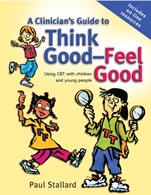
A Clinicians Guide to Think Good–Feel Good: Using CBT with Children and Young People
ISBN 9780470025086
Autor: Paul Stallard
Wydawca: Wiley
Dostępność: 3-6 tygodni
Cena: 213,15 zł
Przed złożeniem zamówienia prosimy o kontakt mailowy celem potwierdzenia ceny.
ISBN13: |
9780470025086 |
ISBN10: |
0470025085 |
Autor: |
Paul Stallard |
Oprawa: |
Paperback |
Rok Wydania: |
2005-09-09 |
Ilość stron: |
190 |
Wymiary: |
276x217 |
Tematy: |
JC |
Praise for Think Good–Feel Good
‘Highly Commended’ in the Mental Health category of the 2003 BMA Medical Book Competition
‘Think Good–Feel Good is a wonderful resource for practitioners undertaking cognitive behaviour therapy with children and young people … The materials promise to be an essential component of the toolbox of any child or adolescent CBT therapist, and deserve to become a key resource in training.’ Dr Rachel Calam, European Child and Adolescent Psychiatry
This is a companion guide to the highly successful workbook Think Good–Feel Good: A Cognitive Behaviour Therapy Workbook for Children and Young People. Designed for clinicians using the original workbook in their work with children, this guide builds upon the practical materials in the workbook by looking at the process of undertaking child–focused CBT, including:engaging children in CBT and motivating themdeveloping an individual case formulationundertaking Socratic questioning and inductive reasoninghow best to involve parentseffective methods to use with children
To supplement the workbook, this clinician’s guide offers further materials and handouts for use in therapy, including psychoeducational materials for children and parents.
This is a must–have resource for child and adolescent mental health professionals wanting to use CBT with children. It will also be of interest to other health professionals working with children, such as social workers, school nurses, counsellors and health visitors.
Spis treści:
About the author.
Acknowledgements.
On–line resources.
1 Overview.
Engagement and readiness to change.
Formulations.
The Socratic process and inductive reasoning.
Involving parents in child–focused CBT.
The process of child–focused CBT.
Adapting CBT for chi
ldren.
Core components of CBT programmes for internalising problems.
2 Engagement and readiness to change.
Engaging with children.
The Stages of Change.
Motivational interviewing.
When would CBT not be indicated?
‘The Scales of Change’.
3 Formulations.
Key aspects of a formulation.
Mini–formulations.
General cognitive formulations.
Onset formulations.
Complex formulations.
Problem–specific formulations.
Common problems.
‘The Negative Trap’.
‘The 4–part Negative Trap’.
‘Onset Formulation Template’.
4 The Socratic process and inductive reasoning.
Facilitating self–discovery.
The structure of the Socratic process.
Inductive reasoning.
The Socratic process.
The Socratic process and collaborative empiricism.
What makes a good Socratic question?
How does it work?
Common problems.
‘The Chain of Events’.
5 Involving parents in child–focused CBT.
The importance of involving parents.
Clinical benefits of parental involvement.
Model of change.
The role of parents in child–focused CBT.
Parental involvement.
Common components of parent–focused interventions.
Two final thoughts.
‘What is Cognitive Behaviour Therapy (CBT)?’
‘What Parents Need to Know about Cognitive Behaviour Therapy (CBT)’.
6 The process of child–focused CBT.
The therapeutic process of child–focused CBT.
PRECISE in practice.
7 Adapting CBT for children.
The cognitive capacity debate.
Adapting CBT for use with children.
Visualisation.
‘The Thought Tracker Quiz: What are the thinking errors?’
‘Responsibility Pies’.
‘When I Feel Worried’.
‘When I Feel Angry’.
‘When I Feel Sad’.
‘Sharing our Thoughts’.
8 Core com
ponents of CBT programmes for internalizing problems.
What is the balance between cognitive and behavioural strategies?
Do we need to directly focus upon dysfunctional cognitions and processes?
What cognitions or cognitive processes might be important?
Does cognitive change result in problem improvement?
Is CBT effective?
What are the effective components of CBT interventions?
Where is it best to start?
How many treatment sessions are needed?
What about home–based assignments?
What are the core components of standardised CBT programmes?
Psychoeducational materials.
‘Beating Anxiety’.
‘Fighting Back Depression’.
‘Controlling Worries and Habits’.
‘Coping with Trauma’.
References.
Index.
Nota biograficzna:
Dr Paul Stallard graduated as a clinical psychologist from Birmingham University in 1980. He worked with children and young people in the West Midlands before moving to the Department of Child and Family Psychiatry, Bath, in 1988. He has a part–time appointment at the University of Bath as Professor of Child and Family Mental Health, and has received a number of research grants exploring the effects of trauma and chronic illness on children. He has published over 70 peer–reviewed papers and his current research interests include the use of cognitive behaviour therapy with children, post–traumatic stress disorder and the psychological effects of chronic illness.
Okładka tylna:
Praise for Think Good–Feel Good
‘Highly Commended’ in the Mental Health category of the 2003 BMA Medical Book Competition
‘Think Good–Feel Good is a wonderful resource for practitioners undertaking cognitive behaviour therapy with children and young people … The materials promise to be an essential component of the toolbox of any child or adolescent
CBT therapist, and deserve to become a key resource in training.’ Dr Rachel Calam, European Child and Adolescent Psychiatry
This is a companion guide to the highly successful workbook Think Good–Feel Good: A Cognitive Behaviour Therapy Workbook for Children and Young People. Designed for clinicians using the original workbook in their work with children, this guide builds upon the practical materials in the workbook by looking at the process of undertaking child–focused CBT, including:engaging children in CBT and motivating themdeveloping an individual case formulationundertaking Socratic questioning and inductive reasoninghow best to involve parentseffective methods to use with children
To supplement the workbook, this clinician’s guide offers further materials and handouts for use in therapy, including psychoeducational materials for children and parents.
This is a must–have resource for child and adolescent mental health professionals wanting to use CBT with children. It will also be of interest to other health professionals working with children, such as social workers, school nurses, counsellors and health visitors.
Koszyk
Książek w koszyku: 0 szt.
Wartość zakupów: 0,00 zł
Informacje


Kontakt
Gambit
Centrum Oprogramowania
i Szkoleń Sp. z o.o.
Al. Pokoju 29b/22-24
31-564 Kraków
Siedziba Księgarni
ul. Kordylewskiego 1
31-542 Kraków
+48 12 410 5991
+48 12 410 5987
+48 12 410 5989
Subskrypcje
Administratorem danych osobowych jest firma Gambit COiS Sp. z o.o. Na podany adres będzie wysyłany wyłącznie biuletyn informacyjny.
Autoryzacja płatności

Informacje na temat autoryzacji płatności poprzez PayU.

© Copyright 2012: GAMBIT COiS Sp. z o.o. Wszelkie prawa zastrzeżone.
Projekt i wykonanie: Alchemia Studio Reklamy