


Wydawcy
Katalog tematyczny
- Archeologia (109)
- Ekonomia, finanse, business (13704)
- Filozofia (1445)
- Historia (3040)
- Języki i językoznawstwo (2356)
- Lifestyle, hobby i rozrywka (475)
- Medycyna (9704)
- Nauki humanistyczne (4)
- Nauki o Ziemi i środowisku (2638)
- Nauki ścisłe (20412)
- Astronomia (294)
- Biologia (5119)
- Biochemia (575)
- Biologia człowieka (14)
- Biologia komórkowa (377)
- Biologia molekularna (398)
- Biologia rozwoju (130)
- Biologia, ogólnie (1277)
- Botanika (280)
- Hydrobiologia (92)
- Mikrobiologia (363)
- Mykologia (22)
- Zoologia (303)
- Chemia (6540)
- Fizyka (3309)
- Matematyka (4574)
- Nauki ścisłe, ogólnie (503)
- Nauki społeczne (8486)
- Nauki techniczne (13450)
- Prawo (1696)
- Publikacje informacyjne i interdyscyplinarne (1288)
- Religia i wierzenia (917)
- Technika komputerowa (4067)
- Zdrowie, relacje międzyludzkie i rozwój osobisty (657)





Informacje szczegółowe o książce
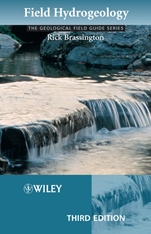
Field Hydrogeology
ISBN 9780470018286
Autor: Rick Brassington
Wydawca: Wiley
Dostępność: 3-6 tygodni
Cena: 233,10 zł
Przed złożeniem zamówienia prosimy o kontakt mailowy celem potwierdzenia ceny.
ISBN13: |
9780470018286 |
ISBN10: |
0470018283 |
Autor: |
Rick Brassington |
Oprawa: |
Paperback |
Rok Wydania: |
2006-10-27 |
Numer Wydania: |
3rd Edition |
Ilość stron: |
276 |
Wymiary: |
180x119 |
Tematy: |
PS |
The successful investigation of the hydrogeology of an area depends on the collection of reliable field data. Field Hydrogeology follows a systematic approach to completing a hydrogeological study and explains how to decide on the measurements that are needed and on the instruments and techniques required. Measurements that are needed and on the instruments and techniques required. Measurements of groundwater levels, rainfall and evaporation spring and stream flows and the use of ground water tracer techniques are covered. There is a great deal of practical information on all aspects of planning and completion of field investigation and on the interpretation of field investigation and on the interpretation of field evidence. Advice on safety is also included.
This third edition has been fully revised and updated to bring the book into line with developments in environmental regulations. The order of the chapters reflects the structure of a hydrogeological project and the development of a conceptual model up to completion of a report. The focus is on current practical applications of hydrogeological investigations using new case histories and a new chapter on specialist techniques has been included.
Field Hydrogeology is suitable for undergraduate and postgraduate students of geology, hydrogeology, environmental sciences and engineering, as well as a wide range of professionals working in the water resources and environmental protection fields.handy pocket–size for field researchupdated and revised edition featuring case historiesfocuses on current practical applicationsnew chapter on groundwater investigations
Spis treści:
Preface.
Acknowledgments.
1 Introduction.
1.1 Groundwater systems.
1.2 Conceptual model.
1.3 Hydrogeological report writing.
2 Desk Study.
2.1 Defining the area.
2.2 Identifying the aquifers.
2.3 Groundwater levels.
2.4 Surf
ace water.
2.5 Recharge.
2.6 Groundwater use.
2.7 Groundwater chemistry.
2.8 Aerial photographs and satellite imagery.
2.9 Planning a fieldwork programme.
3 Field Evaluation of Aquifers.
3.1 Grain size analysis.
3.2 Hydraulic properties of aquifers.
3.3 Hydraulic properties and rock types.
3.4 Assessing hydraulic properties.
3.5 Using hydraulic property information.
4 Groundwater Levels.
4.1 Water–level dippers.
4.2 Continuous water–level recorders.
4.3 Measuring ground levels and locations.
4.4 Tool–box.
4.5 Well catalogue.
4.6 Field surveys for wells, boreholes and springs.
4.7 Interpretation of abstraction borehole water levels.
4.8 Groundwater level monitoring networks.
4.9 Groundwater level fluctuations.
4.10 Managing groundwater level data.
4.11 Constructing groundwater contour maps and flow nets.
4.12 Interpretation of contour maps and flow nets.
4.13 Using other groundwater information.
5 Rainfall, Springs and Streams.
5.1 Precipitation.
5.2 Evaporation.
5.3 Springs.
5.4 Stream–flow measurement.
5.5 Stage–discharge relationships.
5.6 Choosing the best method.
5.7 Processing flow data.
6 Pumping Tests.
6.1 What is a pumping test?
6.2 Planning a pumping test.
6.3 Pumps and pumping.
6.4 On–site measurements.
6.5 Pre–test monitoring.
6.6 Test set–up.
6.7 Step tests.
6.8 Constant rate tests.
6.9 Recovery tests.
6.10 Pumping test analysis.
6.11 Tests on single boreholes.
6.12 Packer tests.
7 Groundwater Chemistry.
7.1 Analytical suites and determinands.
7.2 Sampling equipment.
7.3 Sampling protocols.
7.4 Monitoring networks.
7.5 Using chemical data.
8 Recharge Estimation.
8.1 Water balance.
8.2 Rainfall recharge.
8.3 Induced recharge.
8.4 Other sources of recharge.
9 Specialist Techniques.
9.1
Borehole and piezometer installation.
9.2 Down–hole geophysics.
9.3 Using artificial tracers.
10 Practical Applications.
10.1 Developing a conceptual model.
10.2 Groundwater supplies.
10.3 Contamination investigations.
10.4 Groundwater lowering.
10.5 Rising water tables.
10.6 Investigating wetland hydrology.
10.7 Groundwater modelling.
Appendix I Good working practice.
Appendix II Conversion factors.
References.
Index.
Nota biograficzna:
Rick Brassington, Consultant Hydrogeologist.
Okładka tylna:
The successful investigation of the hydrogeology of an area depends on the collection of reliable field data. Field Hydrogeology follows a systematic approach to completing a hydrogeological study and explains how to decide on the measurements that are needed and on the instruments and techniques required. Measurements that are needed and on the instruments and techniques required. Measurements of groundwater levels, rainfall and evaporation spring and stream flows and the use of ground water tracer techniques are covered. There is a great deal of practical information on all aspects of planning and completion of field investigation and on the interpretation of field investigation and on the interpretation of field evidence. Advice on safety is also included.
This third edition has been fully revised and updated to bring the book into line with developments in environmental regulations. The order of the chapters reflects the structure of a hydrogeological project and the development of a conceptual model up to completion of a report. The focus is on current practical applications of hydrogeological investigations using new case histories and a new chapter on specialist techniques has been included.
Field Hydrogeology is suitable for undergraduate and postgraduate students of geology, hydrogeology, environmental sciences and engineeri
ng, as well as a wide range of professionals working in the water resources and environmental protection fields.handy pocket–size for field researchupdated and revised edition featuring case historiesfocuses on current practical applicationsnew chapter on groundwater investigations
Koszyk
Książek w koszyku: 0 szt.
Wartość zakupów: 0,00 zł
Informacje


Kontakt
Gambit
Centrum Oprogramowania
i Szkoleń Sp. z o.o.
Al. Pokoju 29b/22-24
31-564 Kraków
Siedziba Księgarni
ul. Kordylewskiego 1
31-542 Kraków
+48 12 410 5991
+48 12 410 5987
+48 12 410 5989
Subskrypcje
Administratorem danych osobowych jest firma Gambit COiS Sp. z o.o. Na podany adres będzie wysyłany wyłącznie biuletyn informacyjny.
Autoryzacja płatności

Informacje na temat autoryzacji płatności poprzez PayU.

© Copyright 2012: GAMBIT COiS Sp. z o.o. Wszelkie prawa zastrzeżone.
Projekt i wykonanie: Alchemia Studio Reklamy