


Wydawcy
Katalog tematyczny
- Archeologia (109)
- Ekonomia, finanse, business (13704)
- Filozofia (1445)
- Historia (3040)
- Języki i językoznawstwo (2356)
- Lifestyle, hobby i rozrywka (475)
- Medycyna (9704)
- Nauki humanistyczne (4)
- Nauki o Ziemi i środowisku (2638)
- Nauki ścisłe (20412)
- Nauki społeczne (8486)
- Nauki techniczne (13450)
- Budownictwo lądowe (1045)
- Chemia przemysłowa (2258)
- Elektronika i telekomunikacja (3287)
- Energetyka (1122)
- Elektrotechnika (258)
- Energetyka jądrowa (62)
- Energia odnawialna (372)
- Paliwa kopalne (287)
- Przepływ ciepła (10)
- Inne nauki stosowane (363)
- Inżynieria biochemiczna (507)
- Inżynieria transportu (232)
- Mechanika i materiały (3316)
- Nauka o środowisku (321)
- Rolnictwo (507)
- Technika, ogólnie (475)
- Prawo (1696)
- Publikacje informacyjne i interdyscyplinarne (1288)
- Religia i wierzenia (917)
- Technika komputerowa (4067)
- Zdrowie, relacje międzyludzkie i rozwój osobisty (657)





Informacje szczegółowe o książce
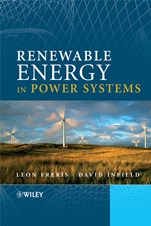
Renewable Energy in Power Systems
ISBN 9780470017494
Autor: Leon Freris, David Infield
Wydawca: Wiley
Dostępność: 3-6 tygodni
Cena: 379,05 zł
Przed złożeniem zamówienia prosimy o kontakt mailowy celem potwierdzenia ceny.
ISBN13: |
9780470017494 |
ISBN10: |
047001749X |
Autor: |
Leon Freris, David Infield |
Oprawa: |
Hardback |
Rok Wydania: |
2008-07-25 |
Ilość stron: |
300 |
Wymiary: |
252x172 |
Tematy: |
THX |
Renewable Energy (RE) sources differ from conventional sources in that, generally they cannot be scheduled, they are much smaller than conventional power stations and are often connected to the electricity distribution system rather than the transmission system. The integration of such time variable ′distributed′ or ′embedded′ sources into electricity networks requires special consideration.
This comprehensive book addresses these special issues and covers the following:The characteristics of conventional and RE generators with particular reference to the variable nature of RE from wind, solar, small hydro and marine sources over time scales ranging from seconds to monthsThe power balance and frequency stability in a network with increasing inputs from variable sources and the technical and economic implications of increased penetration from such sources with special reference to demand side managementThe conversion of energy into electricity from RE sources and type and characteristics of generators usedThe requirement to condition the power from RE Sources and the type and mode of operation of the power electronic converters used to interface such generators to the gridThe flow of power over networks supplied from conventional plus RE sources with particular reference to voltage control and protectionThe economics and trading of ′green′ electricity in national and international deregulated marketsThe expected developments in RE technology and the future shape of power systems where substantial operational and control benefits will be derived from extensive use of power electronic interfaces and controllers
The text is designed to be intelligible to readers who have little previous knowledge of electrical engineering. The more analytical electrical aspects are relegated to an Appendix for readers who wish to gain a more in depth understanding. The book′s flexible structure
makes it accessible to the general engineer or scientist but also caters for readers with a non–scientific background. Economists, planners and environmental specialists will find parts of the book informative.
Spis treści:
Foreword.
Preface.
Acknowledgements.
1 Energy and Electricity.
1.1 The World Energy Scene.
1.2 The Environmental Impact of Energy Use.
1.3 Generating Electricity.
1.4 The Electrical Power System.
References.
2 Features of Conventional and Renewable Generation.
2.1 Introduction.
2.2 Conventional Sources: Coal, Gas and Nuclear.
2.3 Hydroelectric Power.
2.4 Wind Power.
2.5 PV and Solar Thermal Electricity.
2.6 Tidal Power.
2.7 Wave Power.
2.8 Biomass.
2.9 Summary of Power Generation Characteristics.
2.10 Combining Sources.
References.
3 Power Balance/ Frequency Control.
3.1 Introduction.
3.2 Electricity Demand.
3.3 Power Governing.
3.4 Dynamic Frequency Control of Large Systems.
3.5 Impact of Renewable Generation on Frequency Control and Reliability.
3.6 Frequency Response Services from Renewables.
3.7 Frequency Control Modelling.
3.8 Energy Storage.
References.
Other Useful Reading.
4 Electrical Power Generation and Conditioning.
4.1 The Conversion of Renewable Energy into Electrical Form.
4.2 The Synchronous Generator.
4.3 The Transformer.
4.4 The Asynchronous Generator.
4.5 Power Electronics.
4.6 Applications to Renewable Energy Generators.
References.
5 Power System Analysis.
5.1 Introduction.
5.2 The Transmission System.
5.3 Voltage Control.
5.4 Power Flow in an Individual Section of Line.
5.5 Reactive Power Management.
5.6 Load Flow and Power System Simulation.
5.7 Faults and Protection.
5.8 Time Varying and Dynamic Simulations.
5.9 Reliability Analysis.
References.
6 Renewable Energy Generation in Power Sy
stems.
6.1 Distributed Generation.
6.2 Voltage Effects.
6.3 Thermal Limits.
6.4 Other Embedded Generation Issues.
6.5 Islanding.
6.6 Fault Ride–through.
6.7 Generator and Converter Characteristics.
References.
7 Power System Economics and the Electricity Market.
7.1 Introduction.
7.2 The Costs of Electricity Generation.
7.3 Economic Optimization in Power Systems.
7.4 External Costs.
7.5 Effects of Embedded Generation.
7.6 Support Mechanisms for Renewable Energy.
7.7 Electricity Trading.
References.
8 The Future – Towards a Sustainable Electricity Supply System.
8.1 Introduction.
8.2 The Future of Wind Power.
8.3 The Future of Solar Power.
8.4 The Future of Biofuels.
8.5 The Future of Hydro and Marine Power.
8.6 Distributed Generation and the Shape of Future Networks.
8.7 Conclusions.
References.
Appendix: Basic Electric Power Engineering Concepts.
A.1 Introduction.
A.2 Generators and Consumers of Energy.
A.3 Why AC?.
A.4 AC Waveforms.
A.5 Response of Circuit Components to AC.
A.6 Phasors.
A.7 Phasor Addition.
A.8 Rectangular Notation.
A.9 Reactance and Impedance.
A.10 Power in AC Circuits.
A.11 Reactive Power.
A.12 Complex Power.
A.13 Conservation of Active and Reactive Power.
A.14 Effects of Reactive Power Flow – Power Factor Correction.
A.15 Three–phase AC.
A.16 The Thévenin Equivalent Circuit.
Reference.
Index.
Okładka tylna:
Renewable Energy (RE) sources differ from conventional sources in that, generally they cannot be scheduled, they are much smaller than conventional power stations and are often connected to the electricity distribution system rather than the transmission system. The integration of such time variable ′distributed′ or ′embedded′ sources into electricity networks requires special consideration.
This com
prehensive book addresses these special issues and covers the following:The characteristics of conventional and RE generators with particular reference to the variable nature of RE from wind, solar, small hydro and marine sources over time scales ranging from seconds to monthsThe power balance and frequency stability in a network with increasing inputs from variable sources and the technical and economic implications of increased penetration from such sources with special reference to demand side managementThe conversion of energy into electricity from RE sources and type and characteristics of generators usedThe requirement to condition the power from RE Sources and the type and mode of operation of the power electronic converters used to interface such generators to the gridThe flow of power over networks supplied from conventional plus RE sources with particular reference to voltage control and protectionThe economics and trading of ′green′ electricity in national and international deregulated marketsThe expected developments in RE technology and the future shape of power systems where substantial operational and control benefits will be derived from extensive use of power electronic interfaces and controllers
The text is designed to be intelligible to readers who have little previous knowledge of electrical engineering. The more analytical electrical aspects are relegated to an Appendix for readers who wish to gain a more in depth understanding. The book′s flexible structure makes it accessible to the general engineer or scientist but also caters for readers with a non–scientific background. Economists, planners and environmental specialists will find parts of the book informative.
Koszyk
Książek w koszyku: 0 szt.
Wartość zakupów: 0,00 zł
Informacje


Kontakt
Gambit
Centrum Oprogramowania
i Szkoleń Sp. z o.o.
Al. Pokoju 29b/22-24
31-564 Kraków
Siedziba Księgarni
ul. Kordylewskiego 1
31-542 Kraków
+48 12 410 5991
+48 12 410 5987
+48 12 410 5989
Subskrypcje
Administratorem danych osobowych jest firma Gambit COiS Sp. z o.o. Na podany adres będzie wysyłany wyłącznie biuletyn informacyjny.
Autoryzacja płatności

Informacje na temat autoryzacji płatności poprzez PayU.

© Copyright 2012: GAMBIT COiS Sp. z o.o. Wszelkie prawa zastrzeżone.
Projekt i wykonanie: Alchemia Studio Reklamy