


Wydawcy
Katalog tematyczny
- Archeologia (109)
- Ekonomia, finanse, business (13704)
- Filozofia (1445)
- Historia (3040)
- Języki i językoznawstwo (2356)
- Lifestyle, hobby i rozrywka (475)
- Medycyna (9704)
- Nauki humanistyczne (4)
- Nauki o Ziemi i środowisku (2638)
- Nauki ścisłe (20412)
- Nauki społeczne (8486)
- Nauki techniczne (13450)
- Budownictwo lądowe (1045)
- Chemia przemysłowa (2258)
- Elektronika i telekomunikacja (3287)
- Energetyka (1122)
- Inne nauki stosowane (363)
- Inżynieria biochemiczna (507)
- Inżynieria transportu (232)
- Mechanika i materiały (3316)
- Nauka o środowisku (321)
- Rolnictwo (507)
- Technika, ogólnie (475)
- Prawo (1696)
- Publikacje informacyjne i interdyscyplinarne (1288)
- Religia i wierzenia (917)
- Technika komputerowa (4067)
- Zdrowie, relacje międzyludzkie i rozwój osobisty (657)





Informacje szczegółowe o książce
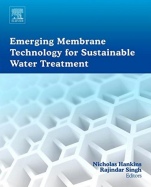
Emerging Membrane Technology for Sustainable Water Treatment
ISBN 9780444633125
Autor: Singh, RajindarHankins, Nick
Wydawca: Elsevier
Dostępność: 3-6 tygodni
Cena: 683,55 zł
Przed złożeniem zamówienia prosimy o kontakt mailowy celem potwierdzenia ceny.
ISBN13: |
9780444633125 |
ISBN10: |
044463312X |
Autor: |
Singh, RajindarHankins, Nick |
Oprawa: |
Hardback |
Rok Wydania: |
2016-03-15 |
Tematy: |
TQSW1 |
Emerging Membrane Technology for Sustainable Water Treatment provides the latest information on the impending crisis posed by water stress and poor sanitation, a timely issue that is one of the greatest human challenges of the 21st century. The book also discusses the use of membrane technology, a serious contender that can be used to confront the crisis on a global scale, along with its specific uses as a solution to this escalating problem.
Provides a unique source on membrane technology and its application for water treatmentFocuses on technologies designed for the treatment of seawater and brackish waterHighlights the most economically and environmentally friendly membrane technologiesLists various technologies and emphasizes their link to renewable energy, energy efficiency, nanotechnology, reuse, and recycle
- List of Contributors
- Preface
- Section 1. Membrane Processes for Global Water Solutions
- Chapter 1. Ethical and Sustainable Utilisation of Water: Global Scenarios and Engineering Responsibilities
- 1.1. Introduction
- 1.2. Global Perspectives
- 1.3. Global Plans
- 1.4. Engineering Responsibilities
- 1.5. Membrane Engineering
- Chapter 2. Introduction to Membrane Processes for Water Treatment
- 2.1. Membrane Materials
- 2.2. Membrane Separation
- 2.3. Membrane Processes
- 2.4. Hybrid Membrane Plants
- 2.5. Membrane Modules
- 2.6. Membrane Fouling and Control
- 2.7. Recent Developments and Future Prospects
- Chapter 1. Ethical and Sustainable Utilisation of Water: Global Scenarios and Engineering Responsibilities
- Section 2. Desalination and Potable Water Purification
- Chapter 3. Forward Osmosis for Sustainable Water Treatment
- 3.1. Introduction
- 3.2. Draw Solutions
- 3.3. Membranes and Modules
- 3.4. Applications of FO
- 3.5. Conclusions
- Chapter 4. Desalination by Membrane Distillation
- 4.1. Introduction
- 4.2. Membrane Distillation
- 4.3. Properties of Saline Aqueous Solutions
- 4.4. MD Desalination
- 4.5. Energy Consumption and Costs of MD Desalination
- 4.6. Conclusions and Future Perspectives in MD
- Chapter 5. Sustainable Energy Systems for Seawater Reverse Osmosis Desalination
- 5.1. Introduction
- 5.2. Performance Limits
- 5.3. Performance and Losses in RO Desalination
- 5.4. Performance of PV Cells and Losses
- 5.5. RO Systems for Variable-Power Operation
- 5.6. Thermally Powered RO Systems
- 5.7. Conclusions and Outlook
- List of Abbreviations
- Glossary
- Chapter 6. Desalination and On-site Energy for Groundwater Treatment in Developing Countries Using Fuel Cells
- 6.1. Background
- 6.2. India's Water–Energy Nexus
- 6.3. FC Technology
- 6.4. FC Integrated Membrane Desalination
- 6.5. Zero Liquid Discharge Desalination Processes
- 6.6. Appropriate Desalination Technology for Remote Regions
- 6.7. Concluding Remarks
- Chapter 7. Ion Exchange Membranes for Water Softening and High-Recovery Desalination
- 7.1. Ion Exchange Materials and Water Softening
- 7.2. Donnan Dialysis
- 7.3. ED for Desalination
- 7.4. Conclusions
- List of Acronyms and Abbreviations
- Chapter 8. Water Treatment by Electromembrane Processes
- 8.1. Introduction
- 8.2. Electrodialysis (ED)
- 8.3. Electrodeionisation (EDI)
- 8.4. Capacitive Deionisation (CDI)
- 8.5. Conclusions and Recommendations
- List of Abbreviations
- Symbols
- Subscripts and Superscripts
- Greek Symbols
- Chapter 3. Forward Osmosis for Sustainable Water Treatment
- Section 3. Wastewater Treatment for Reclamation and Reuse
- Chapter 9. Removal of Emerging Contaminants for Water Reuse by Membrane Technology
- 9.1. Introduction
- 9.2. Membrane Technology for Water Reclamation
- 9.3. NF/RO Separation
- 9.4. Other Membrane Processes
- 9.5. Conclusion
- Chapter 10. Surfactant and Polymer-Based Technologies for Water Treatment
- 10.1. Introduction
- 10.2. Surfactant-Based Technologies for Water Treatment
- 10.3. Polymer-Based Technologies for Water Treatment
- 10.4. Combined Polymer–Surfactant-Based Technologies for Water Treatment
- 10.5. Characterisation of Micellar Size
- 10.6. Conclusions
- Chapter 11. Submerged and Attached Growth Membrane Bioreactors and Forward Osmosis Membrane Bioreactors for Wastewater Treatment
- 11.1. Introduction
- 11.2. Biological and Membrane Filtration Processes in MBR
- 11.3. Membrane Fouling Classification and Mitigation Approaches
- 11.4. Development of AMBR
- 11.5. The Forward Osmosis MBR
- Chapter 12. Brine Treatment and High Recovery Desalination
- 12.1. Introduction
- 12.2. Energy and Pressure Considerations in High Recovery
- 12.3. Hybrid Processes to Overcome Salinity Limitations
- 12.4. Hybrid Processes that Overcome Scaling Problems
- 12.5. Conclusions
- Nomenclature
- Greek Symbols
- Subscripts
- Chapter 9. Removal of Emerging Contaminants for Water Reuse by Membrane Technology
- Section 4. New Membrane Materials and Applications
- Chapter 13. Development of Hybrid Processes for High Purity Water Production
- 13.1. Introduction
- 13.2. Process Technologies
- 13.3. HPW Applications
- 13.4. UPW Processes for Advanced Microchips
- 13.5. Water Reclamation for Reuse
- Chapter 14. Biomimetic Membranes for Water Purification and Wastewater Treatment
- 14.1. Introduction
- 14.2. Aquaporins
- 14.3. Biomimetic Membranes and Their Properties
- 14.4. Summary and Conclusions
- Chapter 15. Novel Graphene Membranes – Theory and Application
- 15.1. Introduction
- 15.2. Porous Graphene Fluidics – Mass Transport across Porous Graphene
- 15.3. Mass Transport across Layered Graphene and Graphene Oxide
- 15.4. Conclusions
- Chapter 16. Nanocomposite and Responsive Membranes for Water Treatment
- 16.1. Introduction
- 16.2. Responsive Materials
- 16.3. Nanocomposite Membranes
- 16.4. Summary
- Chapter 17. Membrane Fouling, Modelling and Recent Developments for Mitigation
- 17.1. Introduction
- 17.2. Foulants
- 17.3. Biological Fouling
- 17.4. Models for Fouling
- 17.5. Approaches to Mitigate Fouling
- 17.6. Concluding Remarks
- Chapter 13. Development of Hybrid Processes for High Purity Water Production
- Index
Koszyk
Książek w koszyku: 0 szt.
Wartość zakupów: 0,00 zł
Informacje


Kontakt
Gambit
Centrum Oprogramowania
i Szkoleń Sp. z o.o.
Al. Pokoju 29b/22-24
31-564 Kraków
Siedziba Księgarni
ul. Kordylewskiego 1
31-542 Kraków
+48 12 410 5991
+48 12 410 5987
+48 12 410 5989
Subskrypcje
Administratorem danych osobowych jest firma Gambit COiS Sp. z o.o. Na podany adres będzie wysyłany wyłącznie biuletyn informacyjny.
Autoryzacja płatności

Informacje na temat autoryzacji płatności poprzez PayU.

© Copyright 2012: GAMBIT COiS Sp. z o.o. Wszelkie prawa zastrzeżone.
Projekt i wykonanie: Alchemia Studio Reklamy