


Wydawcy
Katalog tematyczny
- Archeologia (109)
- Ekonomia, finanse, business (13704)
- Filozofia (1445)
- Historia (3040)
- Języki i językoznawstwo (2356)
- Lifestyle, hobby i rozrywka (475)
- Medycyna (9704)
- Nauki humanistyczne (4)
- Nauki o Ziemi i środowisku (2638)
- Nauki ścisłe (20412)
- Astronomia (294)
- Biologia (5119)
- Biochemia (575)
- Biologia człowieka (14)
- Biologia komórkowa (377)
- Biologia molekularna (398)
- Biologia rozwoju (130)
- Biologia, ogólnie (1277)
- Botanika (280)
- Hydrobiologia (92)
- Mikrobiologia (363)
- Mykologia (22)
- Zoologia (303)
- Chemia (6540)
- Fizyka (3309)
- Matematyka (4574)
- Nauki ścisłe, ogólnie (503)
- Nauki społeczne (8486)
- Nauki techniczne (13450)
- Prawo (1696)
- Publikacje informacyjne i interdyscyplinarne (1288)
- Religia i wierzenia (917)
- Technika komputerowa (4067)
- Zdrowie, relacje międzyludzkie i rozwój osobisty (657)





Informacje szczegółowe o książce
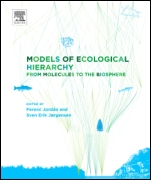
Models of the Ecological Hierarchy: From Molecules to the Ecosphere
ISBN 9780444593962
Autor: Jordan, FerencJorgensen, Sven Erik
Wydawca: Elsevier
Dostępność: 3-6 tygodni
Cena: 527,10 zł
Przed złożeniem zamówienia prosimy o kontakt mailowy celem potwierdzenia ceny.
ISBN13: |
9780444593962 |
ISBN10: |
0444593969 |
Autor: |
Jordan, FerencJorgensen, Sven Erik |
Oprawa: |
Hardback |
Rok Wydania: |
2012-10-01 |
Tematy: |
PSAF |
In the application of statistics to ecological inference problems, hierarchical models combine explicit models of ecological system structure or dynamics with models of how ecological systems are observed. The principles of hierarchical modeling are applied in this book to a wide range of problems ranging from the molecular level, through populations, ecosystems, landscapes, networks, through to the global ecosphere.
Provides an excellent introduction to modellingCollects together in one source a wide range of modelling techniquesCovers a wide range of topics, from the molecular level to the global ecosphere
Quantum chemical modeling in the molecular ecology; Cooperative molecules in the origin of life; Dealing with spatial autocorrelation in gene flow modeling; A virtual model for analyzing toxicity in cell-based assays; "Keystone species" of the molecular network of cellular functions; Evolutionary transition to complex population dynamic patterns in a population with age structure; The maximum sustainable yield management of an age-structured salmon population; The influence of hydrodynamic processes on zooplankton transport and distributions in the north western Mediterranean sea estimated from a lagrangian model. Application to Pelagia noctiluca; Use of tracking system data for individual-based modeling of sweet fish (Plecoglossus altivelis) behavior; A mechanistic individual-based model of Oïkopleura dioïca; Modeling of processes of interspecific competition in the stand; Dynamic modes in a discrete two-sex age-structured three-component population model; Application of information theory models in the early detection of plant community degradation and prediction of vegetation changes; Body size determines community structure and dynamics; Modelling the Venice lagoon food web: a backcasting experiment; Trophic Network Analysis: Assessing the System-Wide Properties of Pastoral Ecosystems; Modeling interaction structure for food web with parasites; Dynamic Residence Time Analysis for Ecological Networks; Food web structure and trophic interactions of a tropical highland lake, Ethiopia; Modeling plant effects on salt marsh mercury cycling; Developing a model for the mercury cycle in the Marano-Grado Lagoon; Differentiating between the impact of global climate drivers and local anthropogenic pressures on the ecology of a mid-size South-Alpine lake; Modeling biogeochemical carbon dioxide and nutrient cycles in the North Sea with a 1D ERSEM Model; Comparative study of the cycling of mangrove litter nitrogen to the adjacent estuary through modeling in pristine and reclaimed islands of Sundarban mangrove ecosystem, India; ACQUANET and QUAL2K in water water quality control of the Nadela system in Serbia; Cities as Ecosystems: functional simlarity of simple analogy?; Three dimensional modeling of pollutant dispersion in Lake Garda (Northern Italy); DLES: a framewok for integrated modelling of forest ecosystems; Modelling of carbon cycling from mangrove litter to the adjacent Hooghly – Matla estuarine system, India; Modeling the effects of landscape changes caused by high altitude ski-pistes on bird species richness and distribution in the Alps; Forest coverage changes in Protected Areas: A fine-scale Markov chain approach Development of program tool for determination of potential of landscape visual exposure; Open Source spatial algorithms applied to landscape genetics; Biodiversity conservation in dynamic landscapes: compensation of habitat patch destruction by habitat recreation; Combining habitat suitability models and fluvial functionality data for a multilayer assessment of riverine vulnerability; The worst scenario principle and the assessment of the impact of quality of life for biosphere dynamics; Carbon cycle modeling and principle of the worst scenario; Modeling and evaluating the energy flow in the global ecosystems and its impacts on human ecological footprint
Koszyk
Książek w koszyku: 0 szt.
Wartość zakupów: 0,00 zł
Informacje


Kontakt
Gambit
Centrum Oprogramowania
i Szkoleń Sp. z o.o.
Al. Pokoju 29b/22-24
31-564 Kraków
Siedziba Księgarni
ul. Kordylewskiego 1
31-542 Kraków
+48 12 410 5991
+48 12 410 5987
+48 12 410 5989
Subskrypcje
Administratorem danych osobowych jest firma Gambit COiS Sp. z o.o. Na podany adres będzie wysyłany wyłącznie biuletyn informacyjny.
Autoryzacja płatności

Informacje na temat autoryzacji płatności poprzez PayU.

© Copyright 2012: GAMBIT COiS Sp. z o.o. Wszelkie prawa zastrzeżone.
Projekt i wykonanie: Alchemia Studio Reklamy