


Wydawcy
Katalog tematyczny
- Archeologia (109)
- Ekonomia, finanse, business (13704)
- Filozofia (1445)
- Historia (3040)
- Języki i językoznawstwo (2356)
- Lifestyle, hobby i rozrywka (475)
- Medycyna (9704)
- Chirurgia (272)
- Inne gałęzie medycyny (1871)
- Medycyna kliniczna (4187)
- Choroby wewnętrzne (514)
- Dermatologia (51)
- Diagnostyka medyczna (3)
- Endokrynologia (144)
- Gastroenterologia (27)
- Geriatria (50)
- Ginekologia i położnictwo (134)
- Hematologia (46)
- Hepatologia (10)
- Kardiologia (71)
- Laryngologia (12)
- Nefrologia (10)
- Neurologia (500)
- Oftalmologia (50)
- Pediatria (33)
- Pulmunologia (32)
- Reumatologia (14)
- Terapia genowa (1)
- Układ mięśniowo-szkieletowy (1)
- Urologia (14)
- Medycyna niekonwencjonalna (14)
- Medycyna przedkliniczna (269)
- Medycyna, ogólnie (1740)
- Medyczne służby pomocnicze (745)
- Studia medyczne (16)
- Weterynaria (548)
- Nauki humanistyczne (4)
- Nauki o Ziemi i środowisku (2638)
- Nauki ścisłe (20412)
- Nauki społeczne (8486)
- Nauki techniczne (13450)
- Prawo (1696)
- Publikacje informacyjne i interdyscyplinarne (1288)
- Religia i wierzenia (917)
- Technika komputerowa (4067)
- Zdrowie, relacje międzyludzkie i rozwój osobisty (657)





Informacje szczegółowe o książce
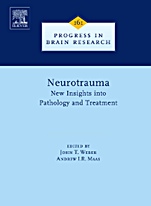
Neurotrauma: New Insights into Pathology and Treatment
ISBN 9780444530172
Autor: Weber, John T.Maas, Andrew I.R.
Wydawca: Elsevier
Dostępność: 3-6 tygodni
Cena: 1 226,40 zł
Przed złożeniem zamówienia prosimy o kontakt mailowy celem potwierdzenia ceny.
ISBN13: |
9780444530172 |
ISBN10: |
0444530177 |
Autor: |
Weber, John T.Maas, Andrew I.R. |
Oprawa: |
Hardback |
Rok Wydania: |
2007-07-27 |
Tematy: |
MJN |
Neurotrauma is the leading cause of death and disability in young adults, and the incidence in older patients is increasing. Neurotrauma is also a field in medicine with one of the highest unmet needs. Concentrated, focused and multidisciplinary efforts are required to combat this important disease. Exciting findings from basic research open opportunities for improving treatment results.
This volume presents a unique and comprehensive overview of the latest findings and insights on translational research in neurotrauma. This book should be a must for any TBI or SCI researcher interested in translating their work to the clinic, as well as to clinicians interested in the latest research findings which could provide novel treatment strategies for their patients.
• Integrates results from research on traumatic brain injury and spinal cord injury, bridging basic science and clinical research
• Includes contributions from a worldwide panel of leading researchers and clinicians in the fields of TBI and SCI
I. INTRODUCTION:
1. The impact of neurotrauma on society: an international perspective.
II. BIOMECHANICS OF INJURY:
2. CNS injury biomechanics and experimental models
3. Linking impact to cellular and molecular sequelae of CNS injury: modelling in vivo complexity with in vitro simplicity
III. PATHOLOGICAL MECHANISMS OF INJURY
4. Cellular and subcellular change evoked by diffuse traumatic brain injury – a complex web of change extending far beyond focal damage.
5. Astrologia: important mediators of traumatic brain injury.
6. Rescuing neurons and glia: is inhibition of apoptosis useful?
7. Substance P in traumatic brain injury.
8. Current concepts of cerebral oxygen transport and energy metabolism after severe traumatic brain injury.
9. Progressive damage after brain and spinal cord injury: pathomechanisms and treatment strategies.
10. Injury-induced alterations in CNS electrophysiology.
11. Traumatic injury of the spinal cord and nitric oxide.
12. Aquaporins: role in cerebral edema and brain water balance.
13. Sodium channel expression and the molecular pathophysiology of pain after SCI.
IV. NOVEL ASPECTS OF CLINICAL RESEARCH IN CNS INJURY
14. Monitoring cerebral oxygenation in traumatic brain injury.
15. Update on the treatment of spinal cord injury.
16. Cerebral contusion: a role for lesion progression.
17. Ethical implications of time frames in a randomized controlled trial in acute severe traumatic brain injury.
V. EMERGING TOPICS IN CNS TRAUMA
18. Experimental models of repetitive brain injuries.
19. Minor traumatic brain injury in sports: a review in order to prevent neurological sequelae.
20. Traumatic brain injury in infants: the phenomenon of subdural hemorrhage with hemispheric hypodensity (“Big Black Brain).
21. Traumatic brain injury and Alzheimer’s disease: a review.
22. The neurotrophic protein S100B: Value as a marker of brain damage and possible therapeutic implications.
23. Cerebellar injury: clinical relevance and potential in traumatic brain injury research.
24. Sex differences in brain damage and recovery of function: experimental and clinical findings.
25. Heat acclimation: a unique model of physiologically mediated global preconditioning against traumatic brain injury.
VI. THE FUTURE OF NEUROTRAUMA: DEVELOPING NOVEL TREATMENT STRATEGIES
26. In vivo tracking of stem cells in brain and spinal cord injury.
27. Intrathecal drug delivery strategy is safe and efficacious for localized delivery to the spinal cord.
28. Decompression craniectomy after traumatic brain injury – recent experimental results.
29. Novel neuroproteomic approaches to studying traumatic brain injury.
30. Remyelination of the injured spinal cord
Koszyk
Książek w koszyku: 0 szt.
Wartość zakupów: 0,00 zł
Informacje


Kontakt
Gambit
Centrum Oprogramowania
i Szkoleń Sp. z o.o.
Al. Pokoju 29b/22-24
31-564 Kraków
Siedziba Księgarni
ul. Kordylewskiego 1
31-542 Kraków
+48 12 410 5991
+48 12 410 5987
+48 12 410 5989
Subskrypcje
Administratorem danych osobowych jest firma Gambit COiS Sp. z o.o. Na podany adres będzie wysyłany wyłącznie biuletyn informacyjny.
Autoryzacja płatności

Informacje na temat autoryzacji płatności poprzez PayU.

© Copyright 2012: GAMBIT COiS Sp. z o.o. Wszelkie prawa zastrzeżone.
Projekt i wykonanie: Alchemia Studio Reklamy