


Wydawcy
Katalog tematyczny
- Archeologia (109)
- Ekonomia, finanse, business (13704)
- Filozofia (1445)
- Historia (3040)
- Języki i językoznawstwo (2356)
- Lifestyle, hobby i rozrywka (475)
- Medycyna (9704)
- Nauki humanistyczne (4)
- Nauki o Ziemi i środowisku (2638)
- Nauki ścisłe (20412)
- Nauki społeczne (8486)
- Nauki techniczne (13450)
- Budownictwo lądowe (1045)
- Chemia przemysłowa (2258)
- Elektronika i telekomunikacja (3287)
- Energetyka (1122)
- Inne nauki stosowane (363)
- Inżynieria biochemiczna (507)
- Inżynieria transportu (232)
- Mechanika i materiały (3316)
- Nauka o środowisku (321)
- Rolnictwo (507)
- Technika, ogólnie (475)
- Prawo (1696)
- Publikacje informacyjne i interdyscyplinarne (1288)
- Religia i wierzenia (917)
- Technika komputerowa (4067)
- Zdrowie, relacje międzyludzkie i rozwój osobisty (657)





Informacje szczegółowe o książce
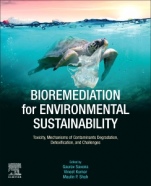
Bioremediation for Environmental Sustainability: Toxicity, Mechanisms of Contaminants Degradation, Detoxification and Challenges
ISBN 9780128205242
Autor: Saxena, GauravKumar, VineetShah, Maulin P.
Wydawca: Elsevier
Dostępność: 3-6 tygodni
Cena: 999,60 zł
Przed złożeniem zamówienia prosimy o kontakt mailowy celem potwierdzenia ceny.
ISBN13: |
9780128205242 |
Autor: |
Saxena, GauravKumar, VineetShah, Maulin P. |
Oprawa: |
Paperback |
Rok Wydania: |
2020-10-20 |
Tematy: |
TC |
Bioremediation for Environmental Sustainability: Toxicity, Mechanisms of Contaminants Degradation, Detoxification and Challenges introduces pollution and toxicity profiles of various organic and inorganic contaminants, including mechanisms of toxicity, degradation, and detoxification by microbes and plants, and their bioremediation approaches for environmental sustainability. The book also covers many advanced technologies in the field of bioremediation and phytoremediation, including electro-bioremediation, microbial fuel cells, nano-bioremediation, constructed wetlands, phytotechnologies, and many more, which are lacking in other competitive titles existing in the market. The book includes updated information, as well as future directions for research, in the field of bioremediation of industrial wastes.
This book is a reference for students, researchers, scientists, and professionals in the fields of microbiology, biotechnology, environmental sciences, eco-toxicology, environmental remediation, and waste management, especially those who aspire to work on the biodegradation and bioremediation of industrial wastes and environmental pollutants for environmental sustainability. Environmental safety and sustainability with rapid industrialization is one of the major challenges worldwide. Industries are the key drivers in the world economy, but these are also the major polluters due to discharge of potentially toxic and hazardous wastes containing various organic and inorganic pollutants, which cause environmental pollution and severe toxic effects in living beings.
Introduces pollution and toxicity profiles of environmental contaminants and industrial wastes, including oil refinery wastewater, distillery wastewater, tannery wastewater, textile wastewater, mine tailing wastes, plastic wastes, and more Describes underlying mechanisms of degradation and detoxification of emerging organic and inorganic contaminants with enzymatic roles Focuses on recent advances and challenges in bioremediation and phytoremediation, including microbial enzymes, biosurfactants, microalgae, biofilm, archaea, genetically engineered organisms, and moreDescribes how microbes and plants can be successfully applied for the remediation of potentially toxic industrial wastes and chemical pollutants to protect the environment and public health
Section I. Introduction to Bioremediation 1. Bioremediation: Principles and Applications in Environmental Management 2. Phytoremediation of Heavy Metals-Contaminated Soils: Recent Advances and Challenges
Section II. Bioremediation of Inorganic Contaminants 3. Hexavalent Chromium: Toxicological Profile and Biodetoxification Mechanisms for Bioremediation 4. Arsenic Contamination in Environment: Environmental and Health Hazards and Bioremediation Approaches for Detoxification 5.Cadmium Contamination in Environment: Environmental and Health Hazards and Bioremediation Strategies 6. Phytoremediation of Selenium: Challenges and Future Prospects 7. Role of Endophytes in Bioremediation of Heavy Metals: Challenges and Prospects 8. Role of Aquatic Macrophytes in Heavy Metals Removal from Industrial Wastewaters
Section III. Bioremediation of Organic Contaminants 9. Ecotoxicological and Health Effects of Persistent Organic Pollutants (POPs) and Their Biodegradation and Bioremediation 10. Toxicity Profile and Bioremediation Approaches for Polyaromatic Hydrocarbons (PAHs) 11. Toxicity Profile and Bioremediation Strategies for Organophosphate Pesticides 12. Toxicity Profile and Phytoremediation Approaches for Organic Pollutants: A Review 13. Toxicity Profile of Pentacholorophenol and Bioremediation Strategies 14. Toxicity Profile of Polychlorinated Biphenyls and Bioremediation Approaches 15. Role of Endophytes in Bioremediation of Organic Contaminants: Challenges and Prospects 16. Toxicity Profile and Biodegradation of Chlorinated Compounds 17. Toxicity Profile and Biodegradation of Nitro-Aromatic Compounds 18. Environmental Hazards of Lignocellulosic Waste and Its Biodegradation 19. Toxicity Profile and Biodegradation of Hexachlorocyclohexane (HCH) 20. Environmental Hazards, Toxicity Profile and Bioremediation Approaches for Azo dyes
Section IV. Bioremediation of Industrial Wastes 21. Bioremediation Approaches for Industrial Acid Mine Tailing Wastes: Potential Issues and Prospects 22. Environmental Contamination, Toxicity Profile and Bioremediation Approaches for Distillery Effluent 23. Environmental Hazards and Biodegradation of Plastic Waste: Challenges and Future Prospects 24. Environmental Contamination, Toxicity Profile and Bioremediation Approaches for Textile Effluent 25. Environmental Contamination, Toxicity Profile and Bioremediation Approaches for Pulp Paper Industry Effluent 26. Toxicity Profile and Bioremediation Approaches for Tannery Wastewater 27. Microalgae as Agents for Industrial Effluent Treatment: Opportunities and Challenges 28. Applications of Cyanobacteria in Industrial Effluent Treatment: Opportunities and Challenges
Section V. Recent Advances and Challenges in Bioremediation 29. Genetically Engineered Microbes in Biodegradation and Bioremediation of Environmental Pollutants: Challenges and Prospects 30. Applications of Biosurfactants in Environmental Management: Challenges and Prospects 31. Diversity and Applications of Archaea in Bioremediation of Environmental Contaminants 32. Microbial Enzymes and Role in Bioremediation of Environmental Pollutants: Prospects and Challenges 33. Engineering Aspects and Roles of Biofilm in Bioremediation of Environmental Contaminants
Koszyk
Książek w koszyku: 0 szt.
Wartość zakupów: 0,00 zł
Informacje


Kontakt
Gambit
Centrum Oprogramowania
i Szkoleń Sp. z o.o.
Al. Pokoju 29b/22-24
31-564 Kraków
Siedziba Księgarni
ul. Kordylewskiego 1
31-542 Kraków
+48 12 410 5991
+48 12 410 5987
+48 12 410 5989
Subskrypcje
Administratorem danych osobowych jest firma Gambit COiS Sp. z o.o. Na podany adres będzie wysyłany wyłącznie biuletyn informacyjny.
Autoryzacja płatności

Informacje na temat autoryzacji płatności poprzez PayU.

© Copyright 2012: GAMBIT COiS Sp. z o.o. Wszelkie prawa zastrzeżone.
Projekt i wykonanie: Alchemia Studio Reklamy