


Wydawcy
Katalog tematyczny
- Archeologia (109)
- Ekonomia, finanse, business (13704)
- Filozofia (1445)
- Historia (3040)
- Języki i językoznawstwo (2356)
- Lifestyle, hobby i rozrywka (475)
- Medycyna (9704)
- Nauki humanistyczne (4)
- Nauki o Ziemi i środowisku (2638)
- Nauki ścisłe (20412)
- Astronomia (294)
- Biologia (5119)
- Biochemia (575)
- Biologia człowieka (14)
- Biologia komórkowa (377)
- Biologia molekularna (398)
- Biologia rozwoju (130)
- Biologia, ogólnie (1277)
- Botanika (280)
- Hydrobiologia (92)
- Mikrobiologia (363)
- Mykologia (22)
- Zoologia (303)
- Chemia (6540)
- Fizyka (3309)
- Matematyka (4574)
- Nauki ścisłe, ogólnie (503)
- Nauki społeczne (8486)
- Nauki techniczne (13450)
- Prawo (1696)
- Publikacje informacyjne i interdyscyplinarne (1288)
- Religia i wierzenia (917)
- Technika komputerowa (4067)
- Zdrowie, relacje międzyludzkie i rozwój osobisty (657)





Informacje szczegółowe o książce
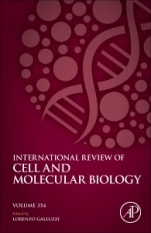
International Review of Cell and Molecular Biology
ISBN 9780128199275
Autor: Galluzzi, Lorenzo
Wydawca: Elsevier
Dostępność: 3-6 tygodni
Cena: 895,65 zł
Przed złożeniem zamówienia prosimy o kontakt mailowy celem potwierdzenia ceny.
ISBN13: |
9780128199275 |
Autor: |
Galluzzi, Lorenzo |
Oprawa: |
Hardback |
Rok Wydania: |
2020-05-31 |
Tematy: |
PSD |
International Review of Cell and Molecular Biology, Volume 354 reviews and details current advances in cell and molecular biology. The IRCMB series has a worldwide readership, maintaining a high standard by publishing invited articles on important and timely topics that are authored by prominent cell and molecular biologists. Sections in this new release include P73 in health and disease, The biology of LONP1, Molecular mechanisms of selective autophagy in Drosophila, Metabolic reprogramming and cisplatin resistance, The biology of polycystin 2, Pharmacological methods to transcriptionally modulate double-strand break DNA repair, Evolutionary insights into the aphid genome, Stratifying nutritional interventions in cancer therapy: next stop, personalized medicine, Vascular calcifications in health and disease.
Author Biography: Lorenzo Galluzzi (born 1980) is currently Assistant Professor of Cell Biology in Radiation Oncology with the Department of Radiation Oncology of the Weill Cornell Medical College (New York, NY, USA), Honorary Assistant Professor Adjunct with the Department of Dermatology of the Yale School of Medicine (New Haven, CT, USA), Honorary Associate Professor with the Faculty of Medicine of the Paris Descartes University (Paris, France), and Faculty Member with the Graduate School of Biomedical Sciences and Biotechnology of the University of Ferrara (Ferrara, Italy) and the Graduate School of Pharmacological Sciences of the University of Padova (Padova, Italy). Prior to joining Weill Cornell Medical College (2017), Lorenzo Galluzzi was a Junior Scientist of the Research Team "Apoptosis, Cancer and Immunity" at the Cordeliers Research Center (Paris, France; 2012-2016). Lorenzo Galluzzi did his post-doctoral training at the Gustave Roussy Cancer Center (Villejuif, France; 2009-2011), after receiving his PhD from the Paris Sud University (Le Kremlin-Bicetre, France; 2008). He is also Associate Director of the European Academy for Tumor Immunology (EATI), Co-chair of the Society for Immunotherapy of Cancer (SITC) Immunogenic Cell Death Working Group, and Founding Member of the European Research Institute for Integrated Cellular Pathology (ERI-ICP). Lorenzo Galluzzi is best known for major experimental and conceptual contributions to the fields of cell death, autophagy, tumor metabolism and tumor immunology. In particular, he provided profound insights into the links between adaptive stress responses in cancer cells and the activation of a clinically relevant tumor-targeting immune response in the context of chemotherapy and radiation therapy. Lorenzo Galluzzi has published more than 400 scientific articles in international peer-reviewed journals. According to a survey published by Lab Times, he is currently the 6th and the youngest of the 30 most-cited European cell biologists (relative to the period 2007-2013), and he was nominated Highly Cited Researcher by Clarivate Analytics (formerly, Thomson Reuter) in 2016 and 2018. Lorenzo Galluzzi currently operates as Editor-in-Chief of three journals: OncoImmunology (which he co-founded in 2011), International Review of Cell and Molecular Biology, and Molecular and Cellular Oncology (which he co-founded in 2013). In addition, Lorenzo Galluzzi currently serves as Founding Editor for Microbial Cell and Cell Stress, and Associate Editor for Cell Death and Disease. Lorenzo Galluzzi (born 1980) is currently Assistant Professor of Cell Biology in Radiation Oncology with the Department of Radiation Oncology of the Weill Cornell Medical College (New York, NY, USA), Honorary Assistant Professor Adjunct with the Department of Dermatology of the Yale School of Medicine (New Haven, CT, USA), Honorary Associate Professor with the Faculty of Medicine of the Paris Descartes University (Paris, France), and Faculty Member with the Graduate School of Biomedical Sciences and Biotechnology of the University of Ferrara (Ferrara, Italy) and the Graduate School of Pharmacological Sciences of the University of Padova (Padova, Italy). Prior to joining Weill Cornell Medical College (2017), Lorenzo Galluzzi was a Junior Scientist of the Research Team "Apoptosis, Cancer and Immunity" at the Cordeliers Research Center (Paris, France; 2012-2016). Lorenzo Galluzzi did his post-doctoral training at the Gustave Roussy Cancer Center (Villejuif, France; 2009-2011), after receiving his PhD from the Paris Sud University (Le Kremlin-Bicetre, France; 2008). He is also Associate Director of the European Academy for Tumor Immunology (EATI), Co-chair of the Society for Immunotherapy of Cancer (SITC) Immunogenic Cell Death Working Group, and Founding Member of the European Research Institute for Integrated Cellular Pathology (ERI-ICP). Lorenzo Galluzzi is best known for major experimental and conceptual contributions to the fields of cell death, autophagy, tumor metabolism and tumor immunology. In particular, he provided profound insights into the links between adaptive stress responses in cancer cells and the activation of a clinically relevant tumor-targeting immune response in the context of chemotherapy and radiation therapy. Lorenzo Galluzzi has published more than 400 scientific articles in international peer-reviewed journals. According to a survey published by Lab Times, he is currently the 6th and the youngest of the 30 most-cited European cell biologists (relative to the period 2007-2013), and he was nominated Highly Cited Researcher by Clarivate Analytics (formerly, Thomson Reuter) in 2016 and 2018. Lorenzo Galluzzi currently operates as Editor-in-Chief of three journals: OncoImmunology (which he co-founded in 2011), International Review of Cell and Molecular Biology, and Molecular and Cellular Oncology (which he co-founded in 2013). In addition, Lorenzo Galluzzi currently serves as Founding Editor for Microbial Cell and Cell Stress, and Associate Editor for Cell Death and Disease.
1. The biology of Lonp1: More than a mitochondrial protease
Lara Gibellini, Anna De Gaetano, Mauro Mandrioli, Elia Van Tongeren, Carlo Augusto Bortolotti, Andrea Cossarizza and Marcello Pinti
2. Molecular mechanisms of selective autophagy in Drosophila
Raksha Gohel, Athanasios Kournoutis, Stavroula Petridi and Ioannis P. Nezis
3. Links between cancer metabolism and cisplatin resistance
Veronica Cocetta, Eugenio Ragazzi and Monica Montopoli
4. New emerging roles of Polycystin-2 in the regulation of autophagy
Daniel Peña-Oyarzun, Ana Batista-Gonzalez, Catalina Kretschmar, Paulina Burgos, Sergio Lavandero, Eugenia Morselli and Alfredo Criollo
5. Pharmacological methods to transcriptionally modulate double-strand break DNA repair
Alanna R. Kaplan and Peter M. Glazer
6. Evolutionary insights into the aphid genome: Aphid genomics between quality problems and intriguing perspectives
Mauro Mandrioli and Gian Carlo Manicardi
7. Stratifying nutritional restriction in cancer therapy: Next stop, personalized medicine
Jelena Krstic, Thomas R. Pieber and Andreas Prokesch
8. The biology of vascular calcification
Quaglino Daniela, Boraldi Federica and Lofaro Francesco Demetrio
Koszyk
Książek w koszyku: 0 szt.
Wartość zakupów: 0,00 zł
Informacje


Kontakt
Gambit
Centrum Oprogramowania
i Szkoleń Sp. z o.o.
Al. Pokoju 29b/22-24
31-564 Kraków
Siedziba Księgarni
ul. Kordylewskiego 1
31-542 Kraków
+48 12 410 5991
+48 12 410 5987
+48 12 410 5989
Subskrypcje
Administratorem danych osobowych jest firma Gambit COiS Sp. z o.o. Na podany adres będzie wysyłany wyłącznie biuletyn informacyjny.
Autoryzacja płatności

Informacje na temat autoryzacji płatności poprzez PayU.

© Copyright 2012: GAMBIT COiS Sp. z o.o. Wszelkie prawa zastrzeżone.
Projekt i wykonanie: Alchemia Studio Reklamy