


Wydawcy
Katalog tematyczny
- Archeologia (109)
- Ekonomia, finanse, business (13704)
- Filozofia (1445)
- Historia (3040)
- Języki i językoznawstwo (2356)
- Lifestyle, hobby i rozrywka (475)
- Medycyna (9704)
- Nauki humanistyczne (4)
- Nauki o Ziemi i środowisku (2638)
- Nauki ścisłe (20412)
- Nauki społeczne (8486)
- Nauki techniczne (13450)
- Budownictwo lądowe (1045)
- Chemia przemysłowa (2258)
- Elektronika i telekomunikacja (3287)
- Energetyka (1122)
- Inne nauki stosowane (363)
- Inżynieria biochemiczna (507)
- Inżynieria transportu (232)
- Mechanika i materiały (3316)
- Nauka o środowisku (321)
- Rolnictwo (507)
- Technika, ogólnie (475)
- Prawo (1696)
- Publikacje informacyjne i interdyscyplinarne (1288)
- Religia i wierzenia (917)
- Technika komputerowa (4067)
- Zdrowie, relacje międzyludzkie i rozwój osobisty (657)





Informacje szczegółowe o książce
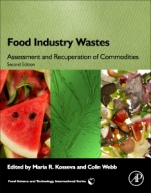
Food Industry Wastes: Assessment and Recuperation of Commodities
ISBN 9780128171219
Autor: Kosseva, MariaWebb, Colin
Wydawca: Elsevier
Dostępność: 3-6 tygodni
Cena: 668,85 zł
Przed złożeniem zamówienia prosimy o kontakt mailowy celem potwierdzenia ceny.
ISBN13: |
9780128171219 |
Autor: |
Kosseva, MariaWebb, Colin |
Oprawa: |
Paperback |
Rok Wydania: |
2020-08-07 |
Tematy: |
TDCT |
Food Industry Wastes: Assessment and Recuperation of Commodities, Second Edition presents a multidisciplinary view of the latest scientific and economic approaches to food waste management, novel technologies and treatment, their evaluation and assessment. It evaluates and synthesizes knowledge in the areas of food waste management, processing technologies, environmental assessment, and wastewater cleaning. Containing numerous case studies, this book presents food waste valorization via emerging chemical, physical, and biological methods developed for treatment and product recovery.
This new edition addresses not only recycling trends but also innovative strategies for food waste prevention. The economic assessments of food waste prevention efforts in different countries are also explored. This book illustrates the emerging environmental technologies that are suitable for the development of both sustainability of the food systems and a sustainable economy. So, this volume is a valuable resource for students and professionals including food scientists, bio/process engineers, waste managers, environmental scientists, policymakers, and food chain supervisors.
Provides guidance on current regulations for food process waste and disposal practices
Highlights novel developments needed in policy making for the reduction of food waste
Raises awareness of the sustainable food waste management techniques and their appraisal through Life Cycle Assessment
Explores options for reducing food loss and waste along the entire food supply chain.
PART I. Food Industry Wastes: Challenges and Prospects
Chapter 1. Definitions, measurements and drivers of food loss and waste
Chapter 2. Effectiveness and efficiency of food waste prevention policies, circular economy and food industry
Chapter 3. Sources, characteristics and treatment of plant-based food wastes
Chapter 4. Sources, characteristics, treatment, and analyses of animal-based food wastes
PART II. Treatment of Solid Food Waste
Chapter 5. Food waste: a potential bioresource for extraction of nutraceuticals and bioactive compounds
Chapter 6. Valorization of citrus wastes through sustainable extraction processes
Chapter 7. Solid state fermentation of food industry wastes
Chapter 8. Microbial production of butanol from food industry waste
Chapter 9. Inventory of food processing side streams in EU and prospects for biorefinery development
Chapter 10. Valorisation of rice straw for ethylene and jet fuel production: A techno-economic assessment
PART III. Enhanced Bioprocessing of Liquid Food Waste
Chapter 11. Biopolymers produced from food wastes: a case study on biosynthesis of bacterial cellulose from fruit juices
Chapter 12. Fermentation of fruit and vegetable wastes for biobased products
Chapter 13. Biotechnological approach for valorization of whey for value added products
PART IV. Environmental Assessment and Rehabilitation of Wastewater
Chapter 14. Accounting for the environmental impact of food wastes on water resources and climate change
Chapter 15. Application of life cycle assessment to food industry wastes
Chapter 16. Microbial electrochemical production of energy and value-added chemicals from agri-food wastewater
Part V. Stimulating Innovations and Drivers for Prevention of Food Wastes
Chapter 17. The dry chain: Reducing postharvest losses and improving food safety in humid climates
Chapter 18. Market-based tools for reduction of food waste in grocery retail
Chapter 19. Mathematical modelling approach applied to food waste reduction at retailer and consumer levels in food supply chain
Chapter 20. Sharing platform and innovative business models: enablers and barriers in the innovation process
Chapter 21. Management of hospitality food waste and the role of consumer behavior
Chapter 22. Challenges with food waste management in the food cold chains.
Concluding Remarks and Future Prospects
Koszyk
Książek w koszyku: 0 szt.
Wartość zakupów: 0,00 zł
Informacje


Kontakt
Gambit
Centrum Oprogramowania
i Szkoleń Sp. z o.o.
Al. Pokoju 29b/22-24
31-564 Kraków
Siedziba Księgarni
ul. Kordylewskiego 1
31-542 Kraków
+48 12 410 5991
+48 12 410 5987
+48 12 410 5989
Subskrypcje
Administratorem danych osobowych jest firma Gambit COiS Sp. z o.o. Na podany adres będzie wysyłany wyłącznie biuletyn informacyjny.
Autoryzacja płatności

Informacje na temat autoryzacji płatności poprzez PayU.

© Copyright 2012: GAMBIT COiS Sp. z o.o. Wszelkie prawa zastrzeżone.
Projekt i wykonanie: Alchemia Studio Reklamy