


Wydawcy
Katalog tematyczny
- Archeologia (109)
- Ekonomia, finanse, business (13704)
- Filozofia (1445)
- Historia (3040)
- Języki i językoznawstwo (2356)
- Lifestyle, hobby i rozrywka (475)
- Medycyna (9704)
- Nauki humanistyczne (4)
- Nauki o Ziemi i środowisku (2638)
- Nauki ścisłe (20412)
- Nauki społeczne (8486)
- Nauki techniczne (13450)
- Prawo (1696)
- Publikacje informacyjne i interdyscyplinarne (1288)
- Religia i wierzenia (917)
- Technika komputerowa (4067)
- Zdrowie, relacje międzyludzkie i rozwój osobisty (657)





Informacje szczegółowe o książce
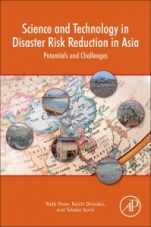
Science and Technology in Disaster Risk Reduction in Asia: Potentials and Challenges
ISBN 9780128127117
Autor: Shaw, RajibShiwaku, KoichiIzumi, Takako
Wydawca: Elsevier
Dostępność: 3-6 tygodni
Cena: 479,85 zł
Przed złożeniem zamówienia prosimy o kontakt mailowy celem potwierdzenia ceny.
ISBN13: |
9780128127117 |
Autor: |
Shaw, RajibShiwaku, KoichiIzumi, Takako |
Oprawa: |
Paperback |
Rok Wydania: |
2017-10-03 |
Tematy: |
RNR |
Science and Technology in Disaster Risk Reduction in Asia: Potentials and Challenges provides both a local and global perspective on how to implement the Sendai Framework for Disaster Risk Reduction. Topics demonstrate the advancement of scientific research as it applies to early warning systems, including identifying risk and the strengthening of infrastructure for different types of hazards. Through different major disasters, it has become evident that there must be a balance between hard and soft technology and physical, process and social solutions. This book demonstrates how this has been successfully implemented in Asia, and how these applications can apply on a global basis.
Covers new research on the role of science in Disaster Risk Reduction and lessons learned when research has been appliedUtilizes case studies to outline the broader lessons learned Focuses on the Sendai Framework, which was adopted in the Third UN World Conference in 2015
1. Science and Technology in Disaster Risk Reduction: An Analytical Overview
Part 1: Understanding disaster risk 2. Understanding Disaster Risk and Science and Technology 3. Social Background in Char Areas, Bangladesh: Implication for Japanese Hazard Mapping Technology 4. Validation of indigenous knowledge for disaster resilience against river flooding and bank erosion 5. Hazard development chain of climate change induced salinity intrusion in Sundarbans socio-ecological system, Bangladesh
Part 2: Strengthening disaster risk governance to manage disaster risk 6. Disaster Risk Governance and City Resilience in Asia-Pacific region 7. Strengthening disaster risk governance to manage disaster risk: An overview 8. Education Governance and the Role of Science and Technology 9. Utilizing Ecosystem Services for Disaster Risk Reduction: The Role of Scale and Context 10. Building Code Implementation in Nepal: An Experience on Institutionalizing Disaster Risk Reduction in Local Governance System 11. Disaster Risk Governance in Myanmar: problems and constraints
Part 3: Investing in disaster risk reduction for resilience 12. Investing in Disaster risk reduction and implication to utilization of Science and Technology 13. Role of Small and Medium Scale Enterprises in Urban Resilience of Mumbai 14 Constraints in institutional investment on DRR in India 15 Post Disaster Needs Assessment for Resilient Recovery using Innovative Tools, Techniques and Space Applications 16. Community-based Responses to Flood and River Erosion Hazards in the Active Ganges Floodplain of Bangladesh
Part 4: Enhancing disaster preparedness for effective response and to "Build Back Better" in recovery, rehabilitation and reconstruction 17. Recovery process and Science and Technology: an Overview 18. Capacity Development of School Teachers in Disaster Recovery Process 19. Role of Social Transformation in Community Recovery from Cyclone Nargis: Case of Kung Thee Chaung Village, Myanmar 20. Built Back Better: Focus on Resilience and Participation-A Case of Sikkim Reconstruction and Rehabilitation 21. Improvement of Responses and Recovery Approaches for Cyclone Hazards in Bangladesh 22. Constraints and coping measures of coastal community towards safe drinking water scarcity in southwestern Bangladesh
Koszyk
Książek w koszyku: 0 szt.
Wartość zakupów: 0,00 zł
Informacje


Kontakt
Gambit
Centrum Oprogramowania
i Szkoleń Sp. z o.o.
Al. Pokoju 29b/22-24
31-564 Kraków
Siedziba Księgarni
ul. Kordylewskiego 1
31-542 Kraków
+48 12 410 5991
+48 12 410 5987
+48 12 410 5989
Subskrypcje
Administratorem danych osobowych jest firma Gambit COiS Sp. z o.o. Na podany adres będzie wysyłany wyłącznie biuletyn informacyjny.
Autoryzacja płatności

Informacje na temat autoryzacji płatności poprzez PayU.

© Copyright 2012: GAMBIT COiS Sp. z o.o. Wszelkie prawa zastrzeżone.
Projekt i wykonanie: Alchemia Studio Reklamy