


Wydawcy
Katalog tematyczny
- Archeologia (109)
- Ekonomia, finanse, business (13704)
- Filozofia (1445)
- Historia (3040)
- Języki i językoznawstwo (2356)
- Lifestyle, hobby i rozrywka (475)
- Medycyna (9704)
- Nauki humanistyczne (4)
- Nauki o Ziemi i środowisku (2638)
- Nauki ścisłe (20412)
- Nauki społeczne (8486)
- Nauki techniczne (13450)
- Budownictwo lądowe (1045)
- Chemia przemysłowa (2258)
- Elektronika i telekomunikacja (3287)
- Energetyka (1122)
- Inne nauki stosowane (363)
- Inżynieria biochemiczna (507)
- Inżynieria transportu (232)
- Mechanika i materiały (3316)
- Nauka o środowisku (321)
- Rolnictwo (507)
- Technika, ogólnie (475)
- Prawo (1696)
- Publikacje informacyjne i interdyscyplinarne (1288)
- Religia i wierzenia (917)
- Technika komputerowa (4067)
- Zdrowie, relacje międzyludzkie i rozwój osobisty (657)





Informacje szczegółowe o książce
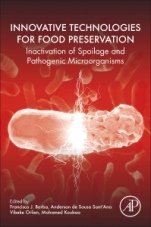
Innovative Technologies for Food Preservation: Inactivation of Spoilage and Pathogenic Microorganisms
ISBN 9780128110317
Autor: Barba, Francisco J.SantAna, AndersonOrlien, VibekeKoubaa, Mohamed
Wydawca: Elsevier
Dostępność: 3-6 tygodni
Cena: 787,50 zł
Przed złożeniem zamówienia prosimy o kontakt mailowy celem potwierdzenia ceny.
ISBN13: |
9780128110317 |
Autor: |
Barba, Francisco J.SantAna, AndersonOrlien, VibekeKoubaa, Mohamed |
Oprawa: |
Paperback |
Rok Wydania: |
2017-09-25 |
Tematy: |
TDCT |
Innovative Technologies for Food Preservation: Inactivation of Spoilage and Pathogenic Microorganisms covers the latest advances in non-thermal processing, including mechanical processes (such as high pressure processing, high pressure homogenization, high hydrodynamic pressure processing, pressurized fluids); electromagnetic technologies (like pulsed electric fields, high voltage electrical discharges, Ohmic heating, chemical electrolysis, microwaves, radiofrequency, cold plasma, UV-light); acoustic technologies (ultrasound, shockwaves); innovative chemical processing technologies (ozone, chlorine dioxide, electrolysis, oxidized water) and others like membrane filtration and dense phase CO2. The title also focuses on understanding the effects of such processing technologies on inactivation of the most relevant pathogenic and spoilage microorganisms to ensure food safety and stability.
Over the course of the 20th century, the interest and demand for the development and application of new food preservation methods has increased significantly. The research in the last 50 years has produced various innovative food processing technologies and the use of new technologies for inactivation of spoilage and/or pathogenic microorganisms will depend on several factors. At this stage of development there is a need to better understand the mechanisms that govern microbial inactivation as induced by new and innovative processing technologies, as well as suitable and effective conditions for inactivating the microorganism.
Serves as a summary of relevant spoilage and pathogenic microorganisms for different foods as influenced by the application of innovative technologies for their preservationProvides readers with an in-depth understanding on how effective innovative processing technologies are for controlling spoilage and pathogenic microorganisms in different foodsIntegrates concepts in order to find the optimum conditions for microbial inactivation and preservation of major and minor food compounds
PART A: Introduction 1. Conventional technologies 2. Main groups of microorganisms of relevance for food safety and stability 3. Spoilage non-spore forming bacteria 4. Spoilage spore forming bacteria 5. Pathogenic non-spore forming bacteria
PART B: Microbial inactivation after innovative processing of the main groups of microorganism of relevance for food safety and stability 1. Mechanisms of microbial inactivation by emerging technologies 2. Effects on innovative processing technologies on microbial targets based on food categories: differences between traditional methods of food preservation and emerging technologies 3. Designing, modelling and optimizing processes to ensure microbial safety and stability through emerging technologies
PART C: Consumer’s, technological, environmental and regulatory aspects of application of emerging technologies for food preservation 7. Consumer acceptance and marketing of foods processed through emerging technologies 8. Environmental footprint of emerging technologies, regulatory and legislative issues 9. Technological hurdles and research pathways on emerging technologies for food preservation
Koszyk
Książek w koszyku: 0 szt.
Wartość zakupów: 0,00 zł
Informacje


Kontakt
Gambit
Centrum Oprogramowania
i Szkoleń Sp. z o.o.
Al. Pokoju 29b/22-24
31-564 Kraków
Siedziba Księgarni
ul. Kordylewskiego 1
31-542 Kraków
+48 12 410 5991
+48 12 410 5987
+48 12 410 5989
Subskrypcje
Administratorem danych osobowych jest firma Gambit COiS Sp. z o.o. Na podany adres będzie wysyłany wyłącznie biuletyn informacyjny.
Autoryzacja płatności

Informacje na temat autoryzacji płatności poprzez PayU.

© Copyright 2012: GAMBIT COiS Sp. z o.o. Wszelkie prawa zastrzeżone.
Projekt i wykonanie: Alchemia Studio Reklamy