


Wydawcy
Katalog tematyczny
- Archeologia (109)
- Ekonomia, finanse, business (13704)
- Filozofia (1445)
- Historia (3040)
- Języki i językoznawstwo (2356)
- Lifestyle, hobby i rozrywka (475)
- Medycyna (9704)
- Nauki humanistyczne (4)
- Nauki o Ziemi i środowisku (2638)
- Nauki ścisłe (20412)
- Astronomia (294)
- Biologia (5119)
- Biochemia (575)
- Biologia człowieka (14)
- Biologia komórkowa (377)
- Biologia molekularna (398)
- Biologia rozwoju (130)
- Biologia, ogólnie (1277)
- Botanika (280)
- Hydrobiologia (92)
- Mikrobiologia (363)
- Mykologia (22)
- Zoologia (303)
- Chemia (6540)
- Fizyka (3309)
- Matematyka (4574)
- Nauki ścisłe, ogólnie (503)
- Nauki społeczne (8486)
- Nauki techniczne (13450)
- Prawo (1696)
- Publikacje informacyjne i interdyscyplinarne (1288)
- Religia i wierzenia (917)
- Technika komputerowa (4067)
- Zdrowie, relacje międzyludzkie i rozwój osobisty (657)





Informacje szczegółowe o książce
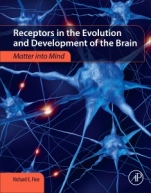
Receptors in the Evolution and Development of the Brain: Matter into Mind
ISBN 9780128110126
Autor: Fine, Richard N.
Wydawca: Elsevier
Dostępność: 3-6 tygodni
Cena: 479,85 zł
Przed złożeniem zamówienia prosimy o kontakt mailowy celem potwierdzenia ceny.
ISBN13: |
9780128110126 |
Autor: |
Fine, Richard N. |
Oprawa: |
Paperback |
Rok Wydania: |
2019-06-18 |
Tematy: |
PSAN |
Receptors in the Evolution and Development of the Brain: Matter into Mind presents the key role of receptors and their cognate ligands from an evolutionary developmental biology perspective together with a plausible theory for correctly wiring the mammalian brain. It discusses the key functions of receptors in the evolution of the nervous system and the development of the large vertebrate brain. The key role of receptors in wiring the brain correctly is emphasized together with rapid eye movement sleep and apoptosis as mechanisms to destroy miss wired neurons. Finally, the possibility that connectional diseases including Alzheimer’s, Parkinson’s, and ALS result from trophic deficits is discussed together with the possibility of potential stem cell treatments. This book is extremely useful to graduate and students with an interest in the molecular and cellular neurosciences, including those in cognitive and clinical branches of this subject, and to all readers with a curiosity about how the incredibly complex human brain can build itself.
Provides an understanding of the key role receptors play in brain development and the selection process necessary to construct a large brainTraces the evolution of receptors from the most primitive organisms to humansEmphasizes the roles that REM sleep and apoptosis play in this selection via trophic factors and receptorsDescribes the role that trophic factor-receptor interactions play throughout life and how trophic deficits can lead to "connectional" diseases including Alzheimer’s, Parkinson’s, and ALSProvides a potential mechanism whereby neuronal stem cells can cure these diseases
1. Classes of Receptors, Their Signaling Pathways and Their Synthesis and Transport 2. The RNA World and Roles of Receptors and Their Cognate Ligands in Archaea, Bacteria and Choanoflagellates; the latter being the Ancestor of all Eukaryotes 3. Dictyostelium Discoideum: Role of Receptors in Differentiation. Sponges are Among the Earliest Multicellular Animals while Comb Jellies are Thought to be Closest to the Ancestral Nerve Cell Containing Animal. Hydras are Among the Earliest Animals with a True Nervous System 4. The Growth Cone; the Key Organelle in the Steering of the Neuronal Processes; The Synapse; Role in Neurotransmitter Release 5. Neuronal Cell Biology 6. Glial Cells; The Evolution of the Myelinated Axon; Blood Brain Barrier (BBB) 7. A Testable Theory to Explain How the Wiring of the Brain Occurs 8. The Development of the Cerebral Cortex 9. The Importance of Rapid Eye Movement (REM) Sleep and Other Forms of Sleep in Selecting the Appropriate Neuronal Circuitry; Programmed Cell Death/Apoptosis 10. The Key Roles of BDNF and Endocannabinoids at Various Stages of Brain Development Including Neuronal Commitment, Migration and Synaptogenesis 11. The Key Roles of Axon and Dendrite Guidance Molecules and the Extracellular Matrix in All Stages of Brain Development 12. Key Receptors involved in Laminar and Terminal Specification and Synapse Construction 13. Steroid Hormones and their Receptors are Key to Sexual Differentiation of the Brain while Glucocorticoids and their Receptors are Key Components of Brain Development and Stress Tolerance; The Hypothalamic Hormone Producing Cells: Importance in Various Functions During and After Brain Development 14. The Roles of Receptors and Trophic Factors in the Development of the Enteric Nervous System (ENT) and in the Connections between Viruses, the Microbiota, (ENT) and Brain 15. Synaptic Pruning During Development and Throughout Life Depends on Trophic Factor Interactions: The Corollary Described in Chapter 14, Postulating the Quantization of Trophic Factor Requirements, Provides a Plausible Explanation for the Survival of Neurons Partially Deprived of their Full Complement of Trophic Factors 16. Receptor Mediated Mechanisms for Drugs of Abuse which may Adversely Affect Brain Development 17. Role of Trophic Factors and Receptors in Developmental Brain Disorders 18. Trophic Factor-Receptor Interactions which Mediate Neuronal Survival can in Some Cases Last Through Life, and Trophic Deficits can Produce Connectional Neurodegenerative Diseases 19. Potential Use of Neuronal Stem Cells to Replace Dying Neurons Depends on Trophic Factors and Receptors 20. The Key Roles of Axon and Dendrite Guidance Molecules and the Extracellular Matrix in All Stages of Brain Development
Koszyk
Książek w koszyku: 0 szt.
Wartość zakupów: 0,00 zł
Informacje


Kontakt
Gambit
Centrum Oprogramowania
i Szkoleń Sp. z o.o.
Al. Pokoju 29b/22-24
31-564 Kraków
Siedziba Księgarni
ul. Kordylewskiego 1
31-542 Kraków
+48 12 410 5991
+48 12 410 5987
+48 12 410 5989
Subskrypcje
Administratorem danych osobowych jest firma Gambit COiS Sp. z o.o. Na podany adres będzie wysyłany wyłącznie biuletyn informacyjny.
Autoryzacja płatności

Informacje na temat autoryzacji płatności poprzez PayU.

© Copyright 2012: GAMBIT COiS Sp. z o.o. Wszelkie prawa zastrzeżone.
Projekt i wykonanie: Alchemia Studio Reklamy