


Wydawcy
Katalog tematyczny
- Archeologia (109)
- Ekonomia, finanse, business (13704)
- Filozofia (1445)
- Historia (3040)
- Języki i językoznawstwo (2356)
- Lifestyle, hobby i rozrywka (475)
- Medycyna (9704)
- Nauki humanistyczne (4)
- Nauki o Ziemi i środowisku (2638)
- Nauki ścisłe (20412)
- Astronomia (294)
- Biologia (5119)
- Biochemia (575)
- Biologia człowieka (14)
- Biologia komórkowa (377)
- Biologia molekularna (398)
- Biologia rozwoju (130)
- Biologia, ogólnie (1277)
- Botanika (280)
- Hydrobiologia (92)
- Mikrobiologia (363)
- Mykologia (22)
- Zoologia (303)
- Chemia (6540)
- Fizyka (3309)
- Matematyka (4574)
- Nauki ścisłe, ogólnie (503)
- Nauki społeczne (8486)
- Nauki techniczne (13450)
- Prawo (1696)
- Publikacje informacyjne i interdyscyplinarne (1288)
- Religia i wierzenia (917)
- Technika komputerowa (4067)
- Zdrowie, relacje międzyludzkie i rozwój osobisty (657)





Informacje szczegółowe o książce
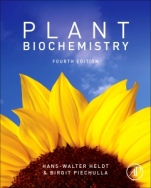
Plant Biochemistry
ISBN 9780128102145
Autor: Heldt, Hans-WalterPiechulla, Birgit
Wydawca: Elsevier
Dostępność: 3-6 tygodni
Cena: 423,15 zł
Przed złożeniem zamówienia prosimy o kontakt mailowy celem potwierdzenia ceny.
ISBN13: |
9780128102145 |
ISBN10: |
0123849861 |
Autor: |
Heldt, Hans-WalterPiechulla, Birgit |
Oprawa: |
Paperback |
Rok Wydania: |
2016-08-19 |
Tematy: |
PSTD |
The fully revised and expanded fourth edition of Plant Biochemistry presents the latest science on the molecular mechanisms of plant life. The book not only covers the basic principles of plant biology, such as photosynthesis, primary and secondary metabolism, the function of phytohormones, plant genetics, and plant biotechnology, but it also addresses the various commercial applications of plant biochemistry. Plant biochemistry is not only an important field of basic science explaining the molecular function of a plant, but is also an applied science that is in the position to contribute to the solution of agricultural and pharmaceutical problems.
Plants are the source of important industrial raw material such as fat and starch but they are also the basis for the production of pharmaceutics. It is expected that in the future, gene technology will lead to the extensive use of plants as a means of producing sustainable raw material for industrial purposes. As such, the techniques and use of genetic engineering to improve crop plants and to provide sustainable raw materials for the chemical and pharmaceutical industries are described in this edition. The latest research findings have been included, and areas of future research are identified.
Offers the latest research findings in a concise and understandable manner.
Presents plant metabolism in the context of the structure and the function of plants.
Includes more than 300 two-color diagrams and metabolic schemes.
Covers the various commercial applications of plant biochemistry.
Provides extensive references to the recent scientific literature.
1. A Leaf Cell Consists of Several Metabolic Compartments
2. The Use of Energy from Sunlight by Photosynthesis is the Basis of Life on Earth
3. Photosynthesis is an Electron Transport Process
4. ATP is Generated by Photosynthesis
5. Mitochondria are the Power Station of the Cell
6. The Calvin Cycle Catalyzes Photosynthetic CO2 Assimilation
7. In the Photorespiratory Pathway Phosphoglycolate Formed by the Oxygenase Activity of RubisCo is Recycled
8. Photosynthesis Implies the Consumption of Water
9. Polysaccharides are Storage and Transport Forms of Carbohydrates Produced by Photosynthesis
10. Nitrate Assimilation is Essential for the Synthesis of Organic Matter
11. Nitrogen Fixation Enables the Nitrogen in the Air to be Used for Plant Growth
12. Sulfate Assimilation Enables the Synthesis of Sulfur Containing Substances
13. Phloem Transport Distributes Photoassimilates to the Various Sites of Consumption and Storage
14. Products of Nitrate Assimilation are Deposited in Plants as Storage Proteins
15. Glycerolipids are Membrane Constituents and Function as Carbon Stores
16. Secondary Metabolites Fulfill Specific Ecological Functions in Plants
17. Large Diversity of Isoprenoids has Multiple Funtions in Plant Metabolism
18. Phenylpropanoids Comprise a Multitude of Plant Secondary Metabolites and Cell Wall Components
19. Multiple Signals Regulate the Growth and Development of Plant Organs and Enable Their Adaptation to Environmental Conditions
20. A Plant Cell has Three Different Genomes
21. Protein Biosynthesis Occurs at Different Sites of a Cell
22. Gene Technology Makes it Possible to Alter Plants to Meet Requirements of Agriculture, Nutrition, and Industry
Koszyk
Książek w koszyku: 0 szt.
Wartość zakupów: 0,00 zł
Informacje


Kontakt
Gambit
Centrum Oprogramowania
i Szkoleń Sp. z o.o.
Al. Pokoju 29b/22-24
31-564 Kraków
Siedziba Księgarni
ul. Kordylewskiego 1
31-542 Kraków
+48 12 410 5991
+48 12 410 5987
+48 12 410 5989
Subskrypcje
Administratorem danych osobowych jest firma Gambit COiS Sp. z o.o. Na podany adres będzie wysyłany wyłącznie biuletyn informacyjny.
Autoryzacja płatności

Informacje na temat autoryzacji płatności poprzez PayU.

© Copyright 2012: GAMBIT COiS Sp. z o.o. Wszelkie prawa zastrzeżone.
Projekt i wykonanie: Alchemia Studio Reklamy