


Wydawcy
Katalog tematyczny
- Archeologia (109)
- Ekonomia, finanse, business (13704)
- Filozofia (1445)
- Historia (3040)
- Języki i językoznawstwo (2356)
- Lifestyle, hobby i rozrywka (475)
- Medycyna (9704)
- Nauki humanistyczne (4)
- Nauki o Ziemi i środowisku (2638)
- Nauki ścisłe (20412)
- Nauki społeczne (8486)
- Nauki techniczne (13450)
- Budownictwo lądowe (1045)
- Chemia przemysłowa (2258)
- Elektronika i telekomunikacja (3287)
- Energetyka (1122)
- Inne nauki stosowane (363)
- Inżynieria biochemiczna (507)
- Inżynieria transportu (232)
- Mechanika i materiały (3316)
- Nauka o środowisku (321)
- Rolnictwo (507)
- Technika, ogólnie (475)
- Prawo (1696)
- Publikacje informacyjne i interdyscyplinarne (1288)
- Religia i wierzenia (917)
- Technika komputerowa (4067)
- Zdrowie, relacje międzyludzkie i rozwój osobisty (657)





Informacje szczegółowe o książce
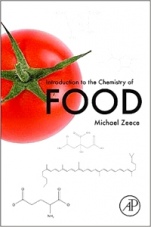
Introduction to the Chemistry of Food
ISBN 9780128094341
Autor: Zeece, Michael
Wydawca: Elsevier
Dostępność: 3-6 tygodni
Cena: 375,90 zł
Przed złożeniem zamówienia prosimy o kontakt mailowy celem potwierdzenia ceny.
ISBN13: |
9780128094341 |
Autor: |
Zeece, Michael |
Oprawa: |
Paperback |
Rok Wydania: |
2020-02-03 |
Tematy: |
TDCT |
ntroduction to the Chemistry of Food describes the molecular composition of food and the chemistry of its components. It provides students with an understanding of chemical and biochemical reactions that impact food quality and contribute to wellness. This innovative approach enables students in food science, nutrition and culinology to better understand the role of chemistry in food. Specifically, the text provides background in food composition, demonstrates how chemistry impacts quality, and highlights its role in creating novel foods. Each chapter contains a review section with suggested learning activities. Text and supplemental materials can be used in traditional face-to-face, distance, or blended learning formats.
Author Biography: Dr. Zeece's research expertise is focused on hot topics related to the Food Chemistry area, including Proteomics, Electrophoretic Separations, Chromatography, Proteases, Protein Degradation, Animal & Plant Protein Purification, Characterization and Allergen Characterization. His large teaching background makes him the perfect author for a textbook in the Food Chemistry area.
Topic Outline Water Physical and chemical properties of water Fundamentals of acid base chemistry Importance of water to food texture, flavor, and the preservation of food Examples of weak acids and their function in food. Proteins Structure of proteins Chemical properties of proteins Protein denaturation Nutritional properties of proteins (digestibility evaluation, essential amino acids) Food allergy Functional properties of proteins (solubility, foaming, gelation) Examples of enzymes in foods Carbohydrates Structure and nomenclature of carbohydrates (monosaccharides, oligosaccharides, and polysaccharides) Maillard chemistry, its importance to color, flavor, and undesirable products in food Food intolerances, lactose and other FODMAPS Nutritional aspects of carbohydrates (dietary fiber, effect of starch structure on glycemic index) Functional properties of carbohydrates (solubility, gelation, viscosity, sweetness) Polysaccharides starch, cellulose, gums, and other hydrocolloids Lipids Structure and nomenclature of fatty acids, acylglycerols and sterols Importance of lipid (fat) structure to functional and physical properties in food Chemistry of lipid hydrogenation and how trans fats occur in food Lipid oxidation chemistry Antioxidants and how they control lipid oxidation Lipids of importance to health (essential fatty acids, 6 to 3 ratio) Vitamins Definition of a micronutrient Nutritional food labeling Chemical properties of vitamins and minerals Biological importance Supplementation and means of loss Flavors The elements of taste and nature of its receptors Sweet, bitter, sour, umami, and salty tastants The gustatory taste map Sugar substitutes and questions of their contribution to health Smell and olfactory perception Pungency Flavor is in the brain, not food Food Additives Use and regulation of food additives Synthetic vs natural additives Examples of additive use in foods Food toxins and toxicants, a case of inadvertent food additives Food Colorants Use and regulation of food colorants Synthetic vs natural food colorants Properties of natural colorants Examples of natural substances as replacements for synthetic colorants Food Systems and Future directions Gut microbiome and its contribution to health Influence of food components on the microbiome Major food systems and their composition Properties of protein-rich plant and microbial foods Novel plant-based animal foods
Koszyk
Książek w koszyku: 0 szt.
Wartość zakupów: 0,00 zł
Informacje


Kontakt
Gambit
Centrum Oprogramowania
i Szkoleń Sp. z o.o.
Al. Pokoju 29b/22-24
31-564 Kraków
Siedziba Księgarni
ul. Kordylewskiego 1
31-542 Kraków
+48 12 410 5991
+48 12 410 5987
+48 12 410 5989
Subskrypcje
Administratorem danych osobowych jest firma Gambit COiS Sp. z o.o. Na podany adres będzie wysyłany wyłącznie biuletyn informacyjny.
Autoryzacja płatności

Informacje na temat autoryzacji płatności poprzez PayU.

© Copyright 2012: GAMBIT COiS Sp. z o.o. Wszelkie prawa zastrzeżone.
Projekt i wykonanie: Alchemia Studio Reklamy