


Wydawcy
Katalog tematyczny
- Archeologia (109)
- Ekonomia, finanse, business (13704)
- Filozofia (1445)
- Historia (3040)
- Języki i językoznawstwo (2356)
- Lifestyle, hobby i rozrywka (475)
- Medycyna (9704)
- Chirurgia (272)
- Inne gałęzie medycyny (1871)
- Anestezjologia (139)
- Farmakologia (495)
- Medycyna ekologiczna (12)
- Medycyna nuklearna (21)
- Medycyna paliatywna (2)
- Medycyna sądowa (6)
- Medycyna sportowa (11)
- Obrazowanie medyczne (130)
- Patologia (255)
- Psychiatria (226)
- Psychologia kliniczna (131)
- Ratownictwo medyczne (73)
- Stomatologia (302)
- Terapia (30)
- Medycyna kliniczna (4187)
- Medycyna niekonwencjonalna (14)
- Medycyna przedkliniczna (269)
- Medycyna, ogólnie (1740)
- Medyczne służby pomocnicze (745)
- Studia medyczne (16)
- Weterynaria (548)
- Nauki humanistyczne (4)
- Nauki o Ziemi i środowisku (2638)
- Nauki ścisłe (20412)
- Nauki społeczne (8486)
- Nauki techniczne (13450)
- Prawo (1696)
- Publikacje informacyjne i interdyscyplinarne (1288)
- Religia i wierzenia (917)
- Technika komputerowa (4067)
- Zdrowie, relacje międzyludzkie i rozwój osobisty (657)





Informacje szczegółowe o książce
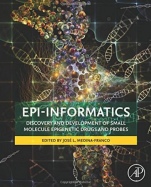
Epi-Informatics: Discovery and Development of Small Molecule Epigenetic Drugs and Probes
ISBN 9780128028087
Autor: Medina-Franco, Jose
Wydawca: Elsevier
Dostępność: 3-6 tygodni
Cena: 668,85 zł
Przed złożeniem zamówienia prosimy o kontakt mailowy celem potwierdzenia ceny.
ISBN13: |
9780128028087 |
Autor: |
Medina-Franco, Jose |
Oprawa: |
Paperback |
Rok Wydania: |
2016-04-06 |
Tematy: |
MMG |
Epi-Informatics: Discovery and Development of Small Molecule Epigenetic Drugs and Probes features multidisciplinary strategies with strong computational approaches that have led to the successful discovery and/or optimization of compounds that act as modulators of epigenetic targets. This book is intended for all those using or wanting to learn more about computational methodologies in epigenetic drug discovery, including molecular modelers, informaticians, pharmaceutical scientists, and medicinal chemists.
With a better understanding of different molecular modeling and cheminformatic approaches, readers can incorporate these techniques into their own drug discovery projects that may involve chemical synthesis and medium- or high-throughput screening. In addition, this book highlights the significance of epigenetic targets to the public health for molecular modelers and chemoinformatians. The goal of this reference is to stimulate ongoing multidisciplinary research and to further improve current computational methodologies and workflows in order to accelerate the discovery and development of epi-drugs and epi-probes.
Focuses on the discovery of epi-drugs as candidates to be used in therapy including combined therapiesDescribes new computational methodologies and screening assays utilizing recent and emerging novel structural dataHighlights the discovery, development and optimization of epi-probes, which are molecular probes that elucidate epigenetic mechanismsIncludes important topics such as computational-guided optimization of epi-hits, virtual screening to identify novel compounds for epigenetic targets, development and mining of epigenetic molecular databases, SAR modeling of screening data and much more
- Dedication
- List of Contributors
- Preface
- Chapter 1. Introduction of Epigenetic Targets in Drug Discovery and Current Status of Epi-Drugs and Epi-Probes
- 1. Introduction
- Chapter 2. Overview of Computer-Aided Drug Design for Epigenetic Targets
- 1. Introduction
- 2. Ligand-Based Drug Design
- 3. Structure-Based Drug Design
- 4. Combining Methods
- 5. Concluding Remarks
- Chapter 3. Structure-Guided Optimization of DNA Methyltransferase Inhibitors
- 1. Introduction to DNA Methyltransferases
- 2. Drug Discovery
- 3. Further Promising Perspectives
- Chapter 4. Discovery and Development of Small Molecules Targeting Epigenetic Enzymes with Computational Methods
- 1. Introduction
- 2. Writer
- 3. Readers
- 4. Erasers
- 5. Protein–Protein Interactions
- 6. Future Directions
- Chapter 5. In Silico Optimization of the First DNA-Independent Mechanism-Based Inhibitor of Mammalian DNA Methyltransferase DNMT1
- 1. Introduction
- 2. Lead Structure for the Mechanism-Based Transition-State Analog
- 3. Evaluation of the Proposed Lead Compound as a Mechanism-Based Inhibitor of DNMT1
- 4. Optimization of Binding Interactions at Multiple Sites on the Lead Compound
- 5. Binding of the Mechanism-Based Inhibitor to Different Conformations of DNMT1
- 6. Conclusions and Future Directions
- 7. Methodology
- Appendix tables
- Chapter 6. Structure-Based Modeling of Histone Deacetylases Inhibitors
- 1. Introduction
- 2. SBDD Studies on Zn-Based HDAC Inhibitors
- 3. SB Modeling for NAD-HDAC (Sirtuins)
- 4. Conclusions
- Chapter 7. Searching Histone Deacetylase Inhibitors under Computational Procedures
- 1. Introduction
- 2. Histones
- 3. Targeting Histones
- 4. General Steps for Development of New Drugs
- 5. Developing New Strategies to Get Selective Compounds on Histones
- 6. Developing New Strategies to Multitarget Compounds Including Histones
- 7. Conclusions
- Chapter 8. Current Development of Protein Arginine Methyltransferase Inhibitors
- 1. Introduction
- 2. Protein Arginine Methyltransferases
- 3. Catalytic Activity of PRMTs
- 4. Pharmacological Significance
- 5. PRMT Inhibitors
- 6. Conclusion
- List of Acronyms and Abbreviations
- Chapter 9. Molecular Design of Compounds Targeting Histone Methyltransferases
- 1. Introduction
- 2. Protein Methyltransferases
- 3. Clinicopathological Role of PKMTs
- 4. Drug Discovery of New Epi-Drugs for Histone Methyltransferases
- 5. Conclusions
- Chapter 10. Computational Chemical Biology of Methyllysine Histone Effectors
- 1. Introduction
- 2. Lysine Methylation: Chemistry and Biology
- 3. Methyllysine Effectors
- 4. What Role for Computational Approaches?
- 5. Elucidation of Effector-Substrate Recognition
- 6. Chemical Probes: Identification and Design
- 7. Structural Mechanics of Methyllysine Signaling
- 8. Conclusions and Perspectives
- Chapter 11. Structure-Based Design and Computational Studies of Sirtuin Inhibitors
- 1. Introduction
- 2. Sirtuins, Insights into Their Chemical Mechanism, Characteristic Features, and Substrates
- 3. Crystal Structures of Sirtuins with Inhibitors and Activators
- 4. Computational Studies of Sirtuin Modulators
- 5. Conclusion
- Chapter 12. Drug Repurposing for Epigenetic Targets Guided by Computational Methods
- 1. Introduction
- 2. Drug Repurposing Strategies
- 3. Drug Repurposing in Epigenetics
- 4. Conclusions
- Chapter 13. Computational Structure–Activity Relationship Studies of Epigenetic Target Inhibitors
- 1. Introduction
- 2. Computational Methods to Study Structure–Activity Relationships
- 3. Analyzing SARs of Epigenetic Targets Using Computational Tools
- 4. Overcoming Selectivity Challenges in the Computational Design of Epi-Drugs
- 5. Conclusions
- Chapter 14. Role of Nutrition in Epigenetics and Recent Advances of In Silico Studies
- 1. Nutritional Genomics
- 2. Diet and Health
- 3. Diseases Related to Epigenetic Changes
- 4. Computational Studies on Nutrigenomics and Food Chemicals
- Chapter 15. The Road Ahead of the Epi-Informatics Field
- 1. Introduction
- 2. Promising Computational Approaches in Epigenetic Drug Discovery
- 3. Epi-Informatics: The Road Ahead
- 4. Conclusions
- Index
Koszyk
Książek w koszyku: 0 szt.
Wartość zakupów: 0,00 zł
Informacje


Kontakt
Gambit
Centrum Oprogramowania
i Szkoleń Sp. z o.o.
Al. Pokoju 29b/22-24
31-564 Kraków
Siedziba Księgarni
ul. Kordylewskiego 1
31-542 Kraków
+48 12 410 5991
+48 12 410 5987
+48 12 410 5989
Subskrypcje
Administratorem danych osobowych jest firma Gambit COiS Sp. z o.o. Na podany adres będzie wysyłany wyłącznie biuletyn informacyjny.
Autoryzacja płatności

Informacje na temat autoryzacji płatności poprzez PayU.

© Copyright 2012: GAMBIT COiS Sp. z o.o. Wszelkie prawa zastrzeżone.
Projekt i wykonanie: Alchemia Studio Reklamy