


Wydawcy
Katalog tematyczny
- Archeologia (109)
- Ekonomia, finanse, business (13704)
- Filozofia (1445)
- Historia (3040)
- Języki i językoznawstwo (2356)
- Lifestyle, hobby i rozrywka (475)
- Medycyna (9704)
- Chirurgia (272)
- Inne gałęzie medycyny (1871)
- Anestezjologia (139)
- Farmakologia (495)
- Medycyna ekologiczna (12)
- Medycyna nuklearna (21)
- Medycyna paliatywna (2)
- Medycyna sądowa (6)
- Medycyna sportowa (11)
- Obrazowanie medyczne (130)
- Patologia (255)
- Psychiatria (226)
- Psychologia kliniczna (131)
- Ratownictwo medyczne (73)
- Stomatologia (302)
- Terapia (30)
- Medycyna kliniczna (4187)
- Medycyna niekonwencjonalna (14)
- Medycyna przedkliniczna (269)
- Medycyna, ogólnie (1740)
- Medyczne służby pomocnicze (745)
- Studia medyczne (16)
- Weterynaria (548)
- Nauki humanistyczne (4)
- Nauki o Ziemi i środowisku (2638)
- Nauki ścisłe (20412)
- Nauki społeczne (8486)
- Nauki techniczne (13450)
- Prawo (1696)
- Publikacje informacyjne i interdyscyplinarne (1288)
- Religia i wierzenia (917)
- Technika komputerowa (4067)
- Zdrowie, relacje międzyludzkie i rozwój osobisty (657)





Informacje szczegółowe o książce
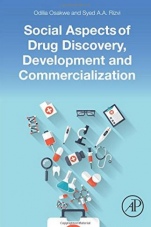
Social Aspects of Drug Discovery, Development and Commercialization
ISBN 9780128022207
Autor: Osakwe, OdiliaRizvi, Syed A.A.
Wydawca: Elsevier
Dostępność: 3-6 tygodni
Cena: 371,70 zł
Przed złożeniem zamówienia prosimy o kontakt mailowy celem potwierdzenia ceny.
ISBN13: |
9780128022207 |
Autor: |
Osakwe, OdiliaRizvi, Syed A.A. |
Oprawa: |
Paperback |
Rok Wydania: |
2016-02-11 |
Tematy: |
MMG |
Social Aspects of Drug Discovery, Development and Commercialization provides an insightful analysis of the drug discovery and development landscape as it relates to society. This book examines the scientific, legal, philosophical, economic, political, ethical and cultural factors that contribute to drug development. The pharmaceutical industry is under scrutiny to develop safer and more effective drugs in a quicker and more affordable manner. Recent criticism and debates have emphasized varying opinions on the issues concerning the drug discovery and development process.
This book provides thoughtful and valuable discussions and analysis of the social challenges and potential opportunities through all stages of the pharmaceutical process, from inception through marketing. With a unique focus on the social factors that increasingly play a role in how drug development is planned, structured, and executed throughout the drug product lifecycle, this is an essential resource for students, professors, and researchers who seek a better understanding of the interface between the pharmaceutical industry, health care systems, and society.
Organized in a sequence of interrelated theories and principles that provide the foundation for increased understanding of the relevant social aspectsIncludes analysis of important new advances, key scientific and strategic issues, and overviews of recent progress in drug developmentProvides a global perspective with examples from developed areas, such as the US, Japan, Canada and Europe, as well as faster-growing and emerging economies including Brazil, Russia, India, and ChinaServes as an essential resource for students, professors, and researchers who seek a better understanding of the interface between the pharmaceutical industry, health care systems, and society
- Dedication
- Preface
- Introduction
- Section I: Pharmaceutical Industry, Society, and Governance
- Chapter 1: Pharmaceutical Regulation: The Role of Government in the Business of Drug Discovery
- Abstract
- 1.1. Introduction
- 1.2. The legal instruments
- 1.3. The National Regulatory Authorities and Administration
- 1.4. Analytical framework for regulatory approval: benefit–risk assessment
- 1.5. The pharmaceutical product life cycle
- 1.6. The global pharmaceutical industry: harmonization and partnerships
- 1.7. Modernization of the global pharmaceutical systems: regulatory strategies, roadmap initiatives, and partnerships
- Chapter 2: Trends in Innovation and the Business of Drug Discovery
- Abstract
- 2.1. Introduction
- 2.2. Evolutionary trends in pharmaceutical innovation
- 2.3. Advances in pharmaceutical innovation technology
- 2.4. Select medical milestones of 2014
- 2.5. Factors contributing to pharmaceutical innovation setback
- 2.6. Case: challenges in antimicrobial drug discovery
- 2.7. Consequence of innovation setback
- 2.8. Strategies and approaches to addressing innovation failure
- 2.9. Concluding remarks
- Chapter 3: Cash Flow Valley of Death: A Pitfall in Drug Discovery
- Abstract
- 3.1. Introduction
- 3.2. Product valuation as an investment decision-making tool
- 3.3. Challenges associated with the valley of death
- 3.4. Firms involved in the pharmaceutical value chain
- 3.5. Strategies for bridging the Valley of Death and innovation failure
- 3.6. Funding models
- 3.7. Nongovernmental funding models
- 3.8. Other financial concepts
- 3.9. Private–public sector groups
- Chapter 1: Pharmaceutical Regulation: The Role of Government in the Business of Drug Discovery
- Section II: Drug Discovery Cycle I: Discovery and Preclinical Drug Development
- Chapter 4: Prediscovery Research: Challenges and Opportunities
- Abstract
- 4.1. Introduction
- 4.2. Models of human disease biology
- 4.3. Diseases considered in biopharmaceutical research and development
- 4.4. Modern trends in drug discovery
- 4.5. Current challenges in early drug discovery
- Chapter 5: The Significance of Discovery Screening and Structure Optimization Studies
- Abstract
- 5.1. Introduction
- 5.2. Screening tools in drug discovery
- 5.3. In silico models in drug discovery and design
- 5.4. From hit to lead: summary of compound optimization in drug discovery
- Chapter 6: Preclinical In Vitro Studies: Development and Applicability
- Abstract
- 6.1. Introduction
- 6.2. Predictability of preclinical disease models
- 6.3. Trends in preclinical drug development
- 6.4. Relevance of ADME/PK studies
- 6.5. Experimental tools used in preclinical development
- 6.6. Drug eliminating agents and mechanisms
- 6.7. Application of zebrafish as a model whole organism: a landmark in preclinical development
- Chapter 7: Animal Utilization in Drug Development: Clinical, Legal, and Ethical Dimensions
- Abstract
- 7.1. Introduction
- 7.2. The scientific value of animal studies: pharmacology objectives
- 7.3. Laboratory animals model in the frontiers of drug discovery
- 7.4. Relationships in animal taxonomy and implications in pharmaceutical research and development
- 7.5. The effect of species differences on study results
- 7.6. How reliable is the animal toxicity information generated across the animal species?
- 7.7. Landmarks in preclinical development: species selection and rationale
- 7.8. Animal models in the development of biopharmaceuticals: the exceptional use of nonhuman primates
- 7.9. Legal accommodations on the use of animals in pharmaceutical research and development
- 7.10. Animal alternatives in drug development: replacing, reducing, and refinement of animals
- Chapter 8: Pharmaceutical Formulation and Manufacturing Development: Strategies and Issues
- Abstract
- 8.1. Introduction
- 8.2. Regulatory aspects of pharmaceutical development
- 8.3. Formulation and manufacturing in pharmaceutical development
- 8.4. Clinical trials materials
- 8.5. Concepts used in pharmaceutical development
- 8.6. Drug shortages
- 8.7. Manufacturing problems leading to drug shortages
- 8.8. Addressing drug shortages: strategies
- Chapter 4: Prediscovery Research: Challenges and Opportunities
- Section III: The Drug Discovery Cycle II: Clinical Development
- Chapter 9: Clinical Development: Ethics and Realities
- Abstract
- Part I.
- Part II. Clinical development of candidate drugs
- Part III. Clinical trial ethics
- Chapter 10: Pharmacogenomics in Drug Discovery, Prospects and Clinical Applicability
- Abstract
- 10.1. Introduction
- 10.2. Genetic variations and implications in drug development
- 10.3. The effectiveness of clinical implementation of pharmacogenomics
- 10.4. Promising outcomes associated with clinical application pharmacogenomics: cases
- 10.5. Economic and social implications of pharmacogenomics application
- 10.6. National regulatory agencies on pharmacogenomics implementation
- Chapter 9: Clinical Development: Ethics and Realities
- Section IV: The Drug Discovery Cycle III: Authorization and Marketing
- Chapter 11: Patents, Exclusivities, and Evergreening Strategies
- Abstract
- 11.1. Introduction: patents and exclusive marketing rights
- 11.2. US Patent Law Amendments Act of 1984
- 11.3. The interplay of patents and exclusivities during the product lifecycle
- 11.4. Patents in the global pharmaceutical market place
- 11.5. Evergreening
- 11.6. Conclusions
- Chapter 12: Drug Pricing and Control for Pharmaceutical Drugs
- Abstract
- 12.1. Introduction
- 12.2. Drug assessment and pricing in various geographical locations
- 12.3. Pharmaceutical drug pricing and ethics
- Chapter 13: Direct-to-Consumer Advertising
- Abstract
- 13.1. Introduction
- 13.2. Ethics and relevance of pharmaceutical advertising
- 13.3. Pharmaceutical advertising and government control
- 13.4. Prescription medicine advertising codes
- 13.5. Conclusions
- Chapter 11: Patents, Exclusivities, and Evergreening Strategies
- Index
Koszyk
Książek w koszyku: 0 szt.
Wartość zakupów: 0,00 zł
Informacje


Kontakt
Gambit
Centrum Oprogramowania
i Szkoleń Sp. z o.o.
Al. Pokoju 29b/22-24
31-564 Kraków
Siedziba Księgarni
ul. Kordylewskiego 1
31-542 Kraków
+48 12 410 5991
+48 12 410 5987
+48 12 410 5989
Subskrypcje
Administratorem danych osobowych jest firma Gambit COiS Sp. z o.o. Na podany adres będzie wysyłany wyłącznie biuletyn informacyjny.
Autoryzacja płatności

Informacje na temat autoryzacji płatności poprzez PayU.

© Copyright 2012: GAMBIT COiS Sp. z o.o. Wszelkie prawa zastrzeżone.
Projekt i wykonanie: Alchemia Studio Reklamy